
Understanding Oil Tubing Pipes: Essential Components in Pipeline Systems
Oil tubing pipes are specialized tubular products that play a significant role in the transportation and management of oil and gas resources. These pipes are designed to withstand high pressures and harsh environmental conditions, making them essential in various applications, particularly within the construction and decorative materials sector related to pipeline systems.
Typically made from high
Oct 01,2026
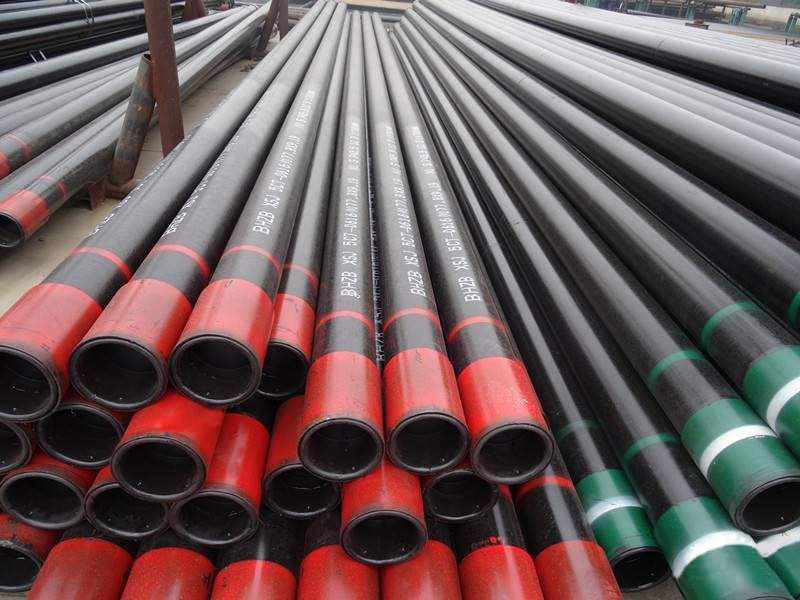
Oil tubing pipes are specialized tubular products that play a significant role in the transportation and management of oil and gas resources. These pipes are designed to withstand high pressures and harsh environmental conditions, making them essential in various applications, particularly within the construction and decorative materials sector related to pipeline systems.
Typically made from high-strength steel, oil tubing pipes are engineered to handle the extreme conditions often found in oil extraction and transportation. Their robust construction ensures that they can endure the pressures associated with the extraction of hydrocarbons from the earth without compromising safety or integrity. This durability is vital, as any failure in the tubing could lead to catastrophic consequences, including oil spills and environmental damage.
In the context of pipeline systems, oil tubing pipes are utilized for a variety of functions. They are primarily used in well drilling and production operations, where they serve as conduits for the oil to flow from deep within the earth to the surface. In addition to oil extraction, these pipes are also employed in the transportation of natural gas and other fluids, making them versatile components in various industrial applications.
One of the key advantages of using oil tubing pipes in pipeline systems is their efficiency in maintaining fluid flow. Their smooth interiors reduce friction, allowing for the rapid movement of oil and gas. This characteristic is particularly important in large-scale operations, where delays in transportation can lead to significant losses. The strength of these pipes also means they can be manufactured to various lengths and diameters, accommodating different project requirements and ensuring flexibility in pipeline design.
Furthermore, oil tubing pipes undergo rigorous testing to meet industry standards. This quality assurance process ensures that they can withstand the stresses imposed on them during operation. The use of coatings and other protective measures helps prevent corrosion, further extending the lifespan of these pipes.
In summary, oil tubing pipes are crucial components in the construction and management of pipeline systems for oil and gas. Their strength, efficiency in fluid transport, and ability to withstand harsh conditions make them indispensable in the industry. Whether for drilling operations or the transportation of resources, understanding the role and function of oil tubing pipes is essential for anyone involved in the construction and decorative materials sector focusing on pipeline systems.
Typically made from high-strength steel, oil tubing pipes are engineered to handle the extreme conditions often found in oil extraction and transportation. Their robust construction ensures that they can endure the pressures associated with the extraction of hydrocarbons from the earth without compromising safety or integrity. This durability is vital, as any failure in the tubing could lead to catastrophic consequences, including oil spills and environmental damage.
In the context of pipeline systems, oil tubing pipes are utilized for a variety of functions. They are primarily used in well drilling and production operations, where they serve as conduits for the oil to flow from deep within the earth to the surface. In addition to oil extraction, these pipes are also employed in the transportation of natural gas and other fluids, making them versatile components in various industrial applications.
One of the key advantages of using oil tubing pipes in pipeline systems is their efficiency in maintaining fluid flow. Their smooth interiors reduce friction, allowing for the rapid movement of oil and gas. This characteristic is particularly important in large-scale operations, where delays in transportation can lead to significant losses. The strength of these pipes also means they can be manufactured to various lengths and diameters, accommodating different project requirements and ensuring flexibility in pipeline design.
Furthermore, oil tubing pipes undergo rigorous testing to meet industry standards. This quality assurance process ensures that they can withstand the stresses imposed on them during operation. The use of coatings and other protective measures helps prevent corrosion, further extending the lifespan of these pipes.
In summary, oil tubing pipes are crucial components in the construction and management of pipeline systems for oil and gas. Their strength, efficiency in fluid transport, and ability to withstand harsh conditions make them indispensable in the industry. Whether for drilling operations or the transportation of resources, understanding the role and function of oil tubing pipes is essential for anyone involved in the construction and decorative materials sector focusing on pipeline systems.
Key words:


Contact
E-mail:
Add:
Hope New District, Mengcun Hui Autonomous County,
Cangzhou City, Hebei Province


PRODUCT SEARCH
Search And Quickly Find The Products You Need
The main products include oil pipeline pipes, oil casing and various specifications of GB/T8162 structural pipes, GB8/T163 fluid pipes, GB/T3087 low and medium pressure boiler pipes, G/TB5310 high pressure boiler pipes, GB/T6479 fertilizer special pipes, etc.