
Essential Steps for Ensuring Compliance in the Use of Oil Casing Pipes
Essential Steps for Ensuring Compliance in the Use of Oil Casing Pipes
In the oil and gas industry, compliance with regulatory standards is crucial, especially when it comes to using oil casing pipes. The integrity and safety of these pipes can significantly impact operational efficiency and environmental safety. By following a series of essential steps, organizations can ensure that their use of
Oct 04,2026

Essential Steps for Ensuring Compliance in the Use of Oil Casing Pipes
In the oil and gas industry, compliance with regulatory standards is crucial, especially when it comes to using oil casing pipes. The integrity and safety of these pipes can significantly impact operational efficiency and environmental safety. By following a series of essential steps, organizations can ensure that their use of oil casing pipes meets all necessary compliance standards. This article serves as a comprehensive guide, detailing the vital processes and considerations for achieving full compliance in the utilization of oil casing pipes.
Understanding Oil Casing Pipes
Oil casing pipes are essential components in drilling operations. They provide structural integrity to wells, prevent the influx of formation fluids, and protect groundwater resources. Understanding their function is the first step to ensuring compliance.
What Are Oil Casing Pipes?
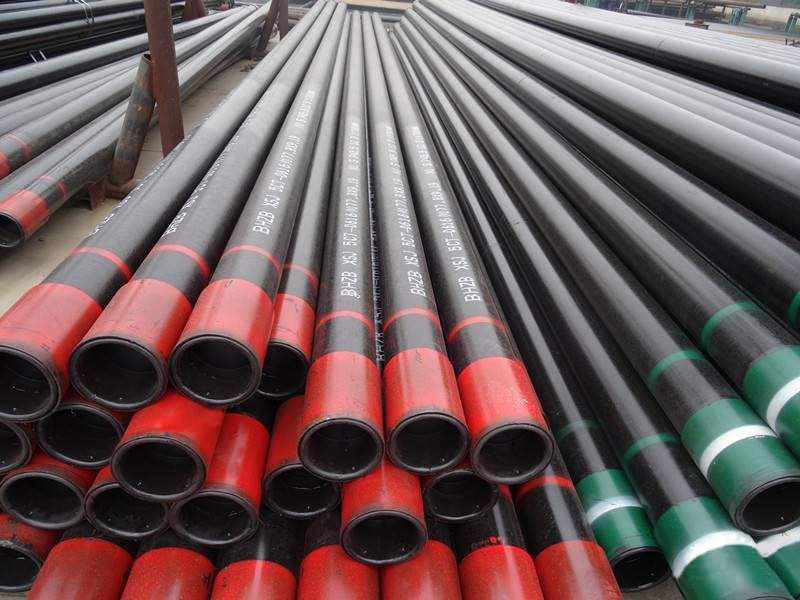
Oil casing pipes are tubular products used to line the boreholes of oil wells. They are designed to withstand high pressures and temperatures while preventing the well from collapsing. Different sizes, grades, and specifications exist, depending on the well's depth and the geological conditions.
The Importance of Compliance
Compliance with industry regulations ensures the safety and efficiency of oil and gas operations. It reduces the risk of environmental damage, legal penalties, and reputational harm. An effective compliance strategy for oil casing pipes encompasses various aspects, including material specifications, installation procedures, and regular inspections.
Steps to Ensure Compliance When Using Oil Casing Pipes
To effectively comply with regulations governing oil casing pipes, operators should follow a structured approach. Here are the essential steps:
1. Familiarize Yourself with Regulatory Standards
Before any installation or operation, it's essential to **understand the applicable regulations** set forth by governing bodies such as the Environmental Protection Agency (EPA), the Occupational Safety and Health Administration (OSHA), and local regulatory agencies. These standards typically cover:
- Material specifications and grades
- Installation practices
- Environmental protection measures
2. Select the Right Material and Specifications
Choosing the appropriate material for oil casing pipes is critical for compliance. Operators should:
- Utilize pipes that meet or exceed industry specifications (e.g., API 5CT)
- Consider the specific conditions of the well, including pressure and temperature
- Ensure that the pipes are sourced from **reputable manufacturers** who provide proper documentation and certification
Material Certifications
Seek out documentation such as Mill Test Reports (MTRs) for confirmation that the pipes comply with specified standards. This documentation should include details regarding the chemical composition and mechanical properties of the materials used.
3. Conduct Site Assessments
Before installation, a thorough site assessment should be conducted. This involves examining:
- Soil conditions to determine appropriate casing depth
- Existing infrastructure and environmental conditions
- Potential hazards, including nearby water sources and wildlife habitats
Risk Assessments
Perform a risk assessment to identify any potential environmental impacts associated with the installation and operation of oil casing pipes. This may also include evaluating the impact of casing failure on the surrounding ecosystem.
4. Implement Proper Installation Procedures
Installation of oil casing pipes must follow **strict industry guidelines**. This includes:
- Adhering to recommended installation depths and techniques
- Utilizing appropriate cementing methods to secure the casing
- Ensuring that all personnel involved are adequately trained in installation practices
Training and Certification
Ensure that all personnel involved in the installation of oil casing pipes receive proper training and certification. This guarantees that they are familiar with best practices, safety protocols, and regulatory requirements.
5. Perform Regular Inspections and Maintenance
Post-installation, it is crucial to conduct regular inspections and maintenance on oil casing pipes. This includes:
- Monitoring for signs of corrosion, leakage, or structural weakness
- Performing pressure tests to ensure the integrity of the casing
- Keeping records of all inspections and maintenance activities for compliance verification
Inspection Protocols
Develop detailed inspection protocols that outline the frequency and methods of inspections. Consider utilizing non-destructive testing (NDT) techniques to assess the integrity of the casing without compromising its structure.
6. Maintain Comprehensive Documentation
Documentation is a key component of compliance. Operators should maintain comprehensive records, including:
- Purchase orders and material certifications
- Installation procedures and site assessments
- Inspection and maintenance logs
Document Management Systems
Consider implementing a document management system that allows for easy retrieval and storage of compliance documents. This will facilitate audits and ensure that all necessary information is readily available.
7. Stay Updated on Regulatory Changes
The regulatory landscape for oil and gas operations frequently changes. Operators must stay informed about updates to laws and regulations that may affect the use of oil casing pipes. This includes:
- Attending industry seminars and training sessions
- Subscribing to industry publications and newsletters
- Joining professional organizations that focus on oil and gas compliance
Continuous Education
Encourage ongoing education for all team members involved in the operations and compliance processes. This creates a culture of awareness and responsibility toward maintaining compliance.
8. Engage with Regulatory Bodies
Establishing a good relationship with regulatory bodies can help ensure compliance. This includes:
- Communicating openly about your operations and compliance efforts
- Seeking guidance on specific regulatory issues
- Reporting any incidents or non-compliance issues promptly
Collaboration Opportunities
Consider collaborating with regulatory bodies on initiatives aimed at improving compliance standards and practices within the industry. This fosters a proactive approach to regulatory adherence.
FAQs About Compliance When Using Oil Casing Pipes
What types of regulations apply to oil casing pipes?
Various regulations apply, including those from the EPA, OSHA, and specific state regulations concerning environmental protection and safety standards.
How do I choose the right oil casing pipe material?
Selecting the right material involves considering the specifications required for your specific drilling operation, including pressure, temperature, and environmental factors.
What are the consequences of non-compliance with oil casing regulations?
Non-compliance can lead to significant penalties, legal issues, environmental damage, and reputational harm to your organization.
How often should inspections be conducted on oil casing pipes?
Regular inspections should be conducted based on industry guidelines, typically at least annually, or more frequently if conditions warrant.
What documentation is necessary for compliance verification?
Key documentation includes material certifications, installation procedures, inspection reports, and maintenance logs.
Conclusion
Ensuring compliance when using oil casing pipes is a multifaceted process requiring diligence, awareness, and a structured approach. By familiarizing yourself with regulatory standards, selecting the appropriate materials, conducting thorough site assessments, implementing proper installation procedures, and establishing robust inspection and documentation practices, you can significantly enhance compliance within your operations. Staying informed about regulatory changes and engaging with regulatory bodies will further strengthen your compliance efforts, paving the way for safe, efficient, and environmentally responsible oil and gas operations. By following these outlined steps, organizations can successfully navigate the complexities of oil casing pipe compliance and contribute to a safer industry.
Key words:
PREVIOUS:

Contact
E-mail:
Add:
Hope New District, Mengcun Hui Autonomous County,
Cangzhou City, Hebei Province


PRODUCT SEARCH
Search And Quickly Find The Products You Need
The main products include oil pipeline pipes, oil casing and various specifications of GB/T8162 structural pipes, GB8/T163 fluid pipes, GB/T3087 low and medium pressure boiler pipes, G/TB5310 high pressure boiler pipes, GB/T6479 fertilizer special pipes, etc.