
What to Look for in Quality Oil Pipeline Seamless Pipes: A Comprehensive Guide
Nov 15,2026
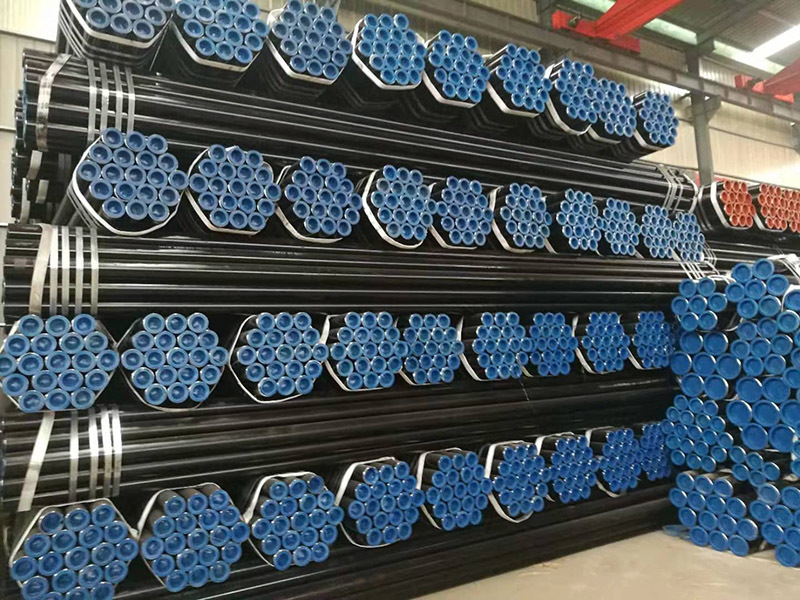
What to Look for in Quality Oil Pipeline Seamless Pipes
In the world of oil transportation, the integrity and quality of pipeline materials play a crucial role in ensuring safe and efficient operations. Seamless pipes are often preferred due to their numerous advantages, but not all seamless pipes are created equal. Understanding what to look for in quality oil pipeline seamless pipes can make a significant difference in performance, safety, and long-term reliability. This guide aims to equip you with the knowledge to make informed decisions when selecting seamless pipes for your oil pipeline systems.
Table of Contents
- 1. Understanding Seamless Pipes in Oil Transportation
- 2. Material Selection for Seamless Pipes
- 3. The Manufacturing Process of Seamless Pipes
- 4. Importance of Quality Certifications in Oil Pipeline Seamless Pipes
- 5. Understanding Dimensions and Specifications
- 6. Testing and Inspection of Seamless Pipes
- 7. Maintenance and Repair Considerations
- 8. Conclusion
1. Understanding Seamless Pipes in Oil Transportation
Seamless pipes are a type of pipe manufactured without any seams or welds, making them ideal for high-pressure applications like oil pipelines. The absence of welds contributes to the pipe’s strength and durability, which are critical in preventing leaks and ensuring the safe transportation of oil. Seamless pipes are produced through a process of extrusion, where heated metal is shaped into a pipe without any joints.
The primary benefits of seamless pipes include:
- High Strength: Seamless pipes exhibit superior tensile strength compared to welded pipes, making them more resistant to pressure.
- Corrosion Resistance: Many seamless pipes are made from materials that resist corrosion, essential for oil transportation.
- Reduced Risk of Leaks: The absence of seams minimizes potential weak points that could lead to leaks.
2. Material Selection for Seamless Pipes
The material used in the production of seamless pipes greatly influences their quality and performance. Common materials include:
- Carbon Steel: A popular choice due to its strength and cost-effectiveness, carbon steel pipes are often used in oil pipelines.
- Alloy Steel: Alloy steels, which include various elements such as chromium and nickel, offer enhanced strength and resistance to corrosion.
- Stainless Steel: Known for its corrosion resistance, stainless steel is ideal for pipelines that transport corrosive substances or operate in harsh environments.
When selecting materials, consider factors such as the chemical composition, mechanical properties, and the environment in which the pipes will operate. This ensures the selected pipe can withstand the conditions it will encounter, ultimately leading to a more reliable pipeline system.
3. The Manufacturing Process of Seamless Pipes
The manufacturing process of seamless pipes involves several critical steps:
- Heating: The raw material, typically a round steel billet, is heated to high temperatures to make it malleable.
- Extrusion: The heated billet is then pierced and elongated to create a hollow tube without seams.
- Cooling: The pipes are cooled in controlled environments to enhance their mechanical properties.
- Finishing: Finally, the pipes undergo surface finishing treatments, such as polishing, to remove any imperfections.
Understanding this process is crucial, as it directly impacts the quality, strength, and durability of the pipes. A reputable manufacturer will adhere to stringent quality control measures throughout each step of production.
4. Importance of Quality Certifications in Oil Pipeline Seamless Pipes
Quality certifications are vital when purchasing seamless pipes for oil pipelines. They serve as proof that the pipes meet specific industry standards and regulations. Common certifications to look for include:
- API (American Petroleum Institute): API certifications ensure that pipes meet the quality standards required for oil and gas applications.
- ISO (International Organization for Standardization): ISO certifications indicate compliance with international quality management standards.
- ASTM (American Society for Testing and Materials): ASTM standards cover various aspects of materials, including specifications and testing methods.
Purchasing pipes with these certifications guarantees that you are investing in a quality product that has undergone rigorous testing and meets industry benchmarks for safety and performance.
5. Understanding Dimensions and Specifications
Understanding the dimensions and specifications of seamless pipes is crucial for ensuring compatibility with your pipeline system. Key specifications to consider include:
- Diameter: The outer diameter (OD) and inner diameter (ID) must match the requirements of your pipeline system.
- Wall Thickness: The wall thickness affects the pipe’s pressure rating and overall strength.
- Length: Seamless pipes are available in various lengths; knowing the necessary length ensures a seamless fit in your project.
- Grade: Pipe grades indicate the chemical composition and mechanical properties, influencing performance.
Always refer to the relevant standards, such as API 5L or ASTM A106, for specific dimensional requirements related to oil pipeline applications.
6. Testing and Inspection of Seamless Pipes
Before installation, seamless pipes undergo rigorous testing and inspection to ensure they meet quality and performance standards. Common testing methods include:
- Hydrostatic Testing: This test assesses whether the pipe can withstand high-pressure conditions without leaking.
- Ultrasonic Testing: Ultrasonic waves are used to detect any internal flaws or inconsistencies in the pipe material.
- Magnetic Particle Testing: This non-destructive test identifies surface and near-surface defects in ferromagnetic materials.
Conducting these tests helps ensure the integrity and safety of the seamless pipes, reducing the risk of failures once installed in the pipeline system.
7. Maintenance and Repair Considerations
Even high-quality seamless pipes require maintenance to ensure longevity and optimal performance. Key maintenance considerations include:
- Regular Inspections: Periodic visual and technical inspections help identify potential issues before they escalate.
- Corrosion Protection: Implementing protective coatings and cathodic protection systems can extend the life of the pipes.
- Prompt Repairs: Addressing small leaks or defects immediately can prevent more extensive damage and costly repairs later on.
By prioritizing maintenance, operators can significantly enhance the reliability and lifespan of their oil pipeline systems.
8. Conclusion
Selecting quality seamless pipes for oil pipelines is a critical aspect of ensuring safe and efficient operations. By understanding material selection, manufacturing processes, quality certifications, and testing methods, stakeholders can make informed decisions that lead to enhanced performance and safety. Investing in high-quality seamless pipes not only minimizes risks but also contributes to the overall efficiency and reliability of oil transportation systems. Prioritize these factors in your decision-making process to ensure the long-term success of your oil pipeline projects.
Frequently Asked Questions (FAQs)
1. What is the difference between seamless and welded pipes?
Seamless pipes are manufactured without seams or welds, leading to higher strength and durability. Welded pipes, on the other hand, are formed by welding together pieces of metal, which can create potential weak points.
2. How do I choose the right material for oil pipeline seamless pipes?
The choice of material depends on factors such as the type of oil being transported, environmental conditions, and required strength. Common materials include carbon steel, alloy steel, and stainless steel.
3. What certifications should I look for when purchasing seamless pipes?
Look for certifications from reputable organizations such as API, ISO, and ASTM, which indicate compliance with industry standards and quality assurance.
4. What testing methods are commonly used for seamless pipes?
Common testing methods include hydrostatic testing, ultrasonic testing, and magnetic particle testing, all of which ensure the integrity and safety of the pipes.
5. How often should I inspect my oil pipeline seamless pipes?
Regular inspections are recommended, with a frequency determined by factors such as the operating conditions and the age of the pipes. Routine visual and technical inspections can help identify potential issues early.
Key words:

Contact
E-mail:
Add:
Hope New District, Mengcun Hui Autonomous County,
Cangzhou City, Hebei Province


PRODUCT SEARCH
Search And Quickly Find The Products You Need
The main products include oil pipeline pipes, oil casing and various specifications of GB/T8162 structural pipes, GB8/T163 fluid pipes, GB/T3087 low and medium pressure boiler pipes, G/TB5310 high pressure boiler pipes, GB/T6479 fertilizer special pipes, etc.