
Understanding Oil Casing Pipes: Essential Components in Pipeline Systems
Oil casing pipes are specialized pipes used in the drilling and production of oil and gas. They are designed to provide structural support for the wellbore and ensure the integrity of the drilling process. The primary function of oil casing pipes is to protect the well from external pressures and environmental contamination, thereby safeguarding both the extraction process and the surrounding ecos
Nov 12,2026
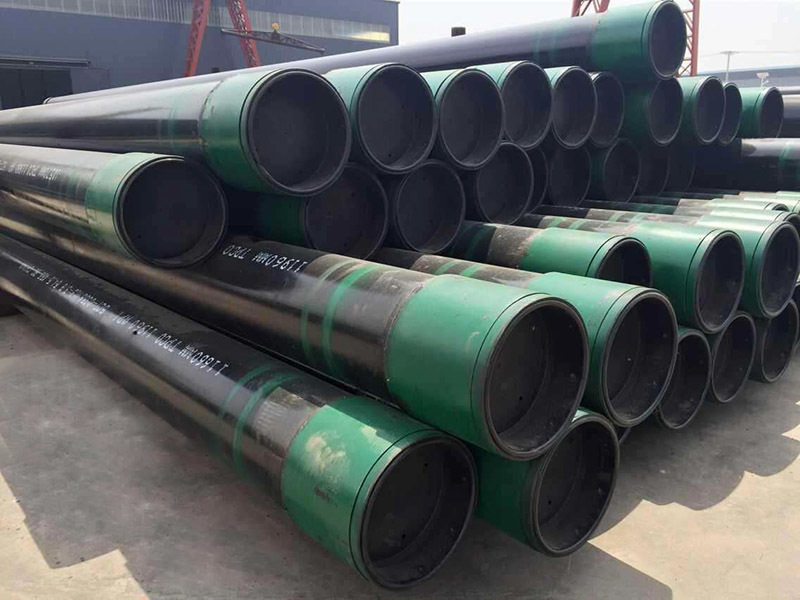
Oil casing pipes are specialized pipes used in the drilling and production of oil and gas. They are designed to provide structural support for the wellbore and ensure the integrity of the drilling process. The primary function of oil casing pipes is to protect the well from external pressures and environmental contamination, thereby safeguarding both the extraction process and the surrounding ecosystem.
One of the most critical aspects of oil casing pipes is their material composition. They are usually made from high-strength steel that can withstand high pressures and harsh conditions typically found in oil fields. The selection of the right material is vital to ensure the longevity and reliability of the oil casing pipes. Additionally, these pipes come in various sizes and weights, tailored to meet specific depth and pressure requirements of different drilling projects.
There are several types of oil casing pipes, each designed for particular functions within the drilling process. The most common types include surface casing, intermediate casing, and production casing. Surface casing is typically the first layer installed and serves to stabilize the well and protect freshwater sources. Intermediate casing is used to manage the pressure and temperature of the well, while production casing is installed to facilitate the actual extraction of oil and gas.
Another important consideration is the installation and maintenance of oil casing pipes. Proper installation is crucial to prevent issues like well blowouts, which can have catastrophic consequences. Regular inspections and maintenance are also essential to ensure that the pipes remain in good condition throughout their operational life.
In addition to their functional aspects, oil casing pipes also play a role in environmental protection. By preventing contamination of groundwater and minimizing the risk of leaks, they contribute to sustainable drilling practices. The industry is increasingly focusing on eco-friendly materials and technologies to enhance the efficiency and safety of oil casing pipes, reflecting a growing awareness of environmental issues.
In conclusion, oil casing pipes are indispensable components of pipeline systems in the oil and gas industry. Their robust design and material integrity are critical for ensuring the safety and efficiency of drilling operations. Understanding the types, functions, and maintenance of oil casing pipes can help stakeholders in the construction and decorative materials sector make informed decisions and promote best practices in pipeline management.
Key words:

Contact
E-mail:
Add:
Hope New District, Mengcun Hui Autonomous County,
Cangzhou City, Hebei Province


PRODUCT SEARCH
Search And Quickly Find The Products You Need
The main products include oil pipeline pipes, oil casing and various specifications of GB/T8162 structural pipes, GB8/T163 fluid pipes, GB/T3087 low and medium pressure boiler pipes, G/TB5310 high pressure boiler pipes, GB/T6479 fertilizer special pipes, etc.