
Oil Tubing Pipe: Best Practices for Installation and Use
Oil Tubing Pipe: Best Practices for Installation and Use
Table of Contents
Introduction to Oil Tubing Pipes
Types of Oil Tubing Pipes
Best Practices for Installation
Safety Considerations During Installation
Maintenance Techniques for Longevity
Troubleshooting Common Issues with Oil Tubing Pipes
Regulatory Compliance and Standards
Conclusion
Frequently Asked Qu
Nov 09,2026
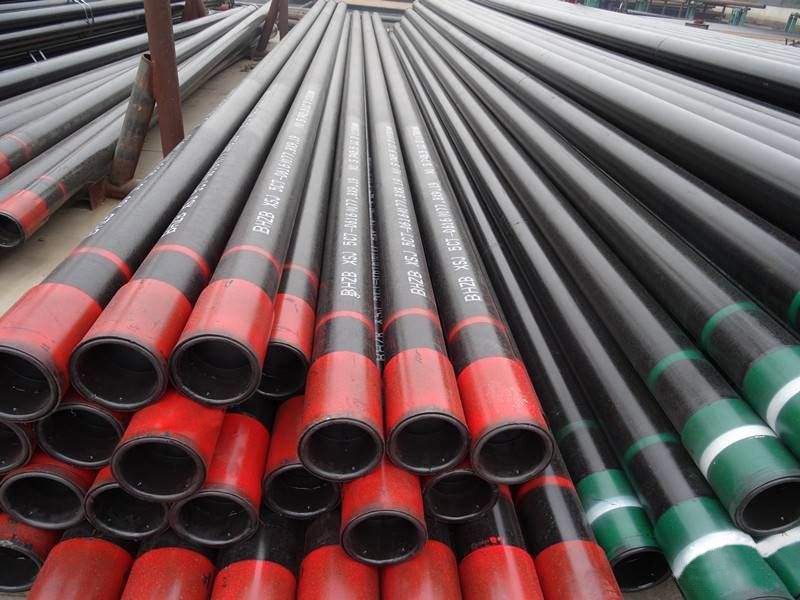
Oil Tubing Pipe: Best Practices for Installation and Use
Table of Contents
- Introduction to Oil Tubing Pipes
- Types of Oil Tubing Pipes
- Best Practices for Installation
- Safety Considerations During Installation
- Maintenance Techniques for Longevity
- Troubleshooting Common Issues with Oil Tubing Pipes
- Regulatory Compliance and Standards
- Conclusion
- Frequently Asked Questions
Introduction to Oil Tubing Pipes
Oil tubing pipes play a critical role in the oil and gas industry. They are primarily used for transporting crude oil and natural gas from the wellbore to the surface and, subsequently, to processing facilities. Given the high stakes involved in these operations, understanding the best practices for installation and use is essential. By implementing these practices, we can enhance the reliability and efficiency of our piping systems, ensuring they meet the demanding requirements of the industry.
Types of Oil Tubing Pipes
Choosing the right type of oil tubing pipe is paramount for successful operations. Several types are commonly used, each with unique characteristics and applications:
1. **Steel Tubing Pipes**
Steel tubing pipes are known for their strength and durability. They can withstand high pressures and temperatures, making them ideal for transporting oil and gas.
2. **Composite Tubing Pipes**
Made from a combination of materials, composite tubing pipes offer an excellent balance between weight and resistance to corrosion. They are increasingly popular in offshore applications.
3. **PVC Tubing Pipes**
While not as common in high-pressure applications, PVC tubing pipes are used for water and other low-pressure applications due to their lightweight and cost-effective nature.
4. **Fiberglass Tubing Pipes**
Fiberglass pipes are favored for their corrosion resistance and lightweight properties. They are often used in environments where traditional materials may fail.
5. **High-Density Polyethylene (HDPE) Tubing Pipes**
HDPE pipes are known for their flexibility and resistance to various chemicals. They are suitable for many applications, including oil and gas transport.
Best Practices for Installation
The installation of oil tubing pipes requires careful planning and execution. Here are the best practices to ensure optimal performance:
1. **Site Assessment and Preparation**
Before installation begins, conduct a thorough assessment of the site. Analyze soil conditions, potential environmental impacts, and existing infrastructure.
2. **Choosing the Right Equipment**
Utilize appropriate tools and machinery for installation. Ensure that all equipment is calibrated and in good working condition to prevent mishaps.
3. **Pipe Handling Techniques**
Handle pipes with care to avoid damage. Use appropriate lifting techniques and equipment to minimize stress on the pipes.
4. **Proper Alignment and Jointing**
Ensure that pipes are aligned correctly during installation. Utilize the appropriate jointing methods, such as welding or threading, to secure connections.
5. **Pressure Testing**
After installation, conduct a pressure test to check for leaks. This step is crucial to ensure the integrity of the piping system.
Safety Considerations During Installation
Safety should always be a top priority during the installation of oil tubing pipes. Here are some essential considerations:
1. **Personal Protective Equipment (PPE)**
Ensure all personnel wear the necessary PPE, including helmets, gloves, and eye protection, to minimize the risk of injury.
2. **Hazardous Material Handling**
Be aware of any hazardous materials involved in the installation process. Implement protocols for safe handling and disposal.
3. **Emergency Response Plans**
Establish clear emergency response plans in case of accidents or spills. Regularly train staff on these procedures to ensure preparedness.
4. **Site Safety Inspections**
Conduct regular safety inspections throughout the installation process. Address any potential hazards immediately to maintain a safe working environment.
Maintenance Techniques for Longevity
Proper maintenance is crucial for extending the lifespan of oil tubing pipes. Here are some effective maintenance techniques:
1. **Routine Inspections**
Implement a schedule for regular inspections to identify signs of wear, corrosion, or damage. Early detection can prevent costly repairs.
2. **Cleaning Procedures**
Establish cleaning procedures to remove debris and contaminants from the pipes. This practice helps maintain flow efficiency and prevents blockages.
3. **Monitor for Leaks**
Regularly monitor the piping system for leaks. Quick identification and repair of leaks can save on operational costs and reduce environmental impact.
4. **Corrosion Protection**
Use appropriate coatings and cathodic protection systems to prevent corrosion. This is especially important in harsh environments.
Troubleshooting Common Issues with Oil Tubing Pipes
Despite best practices, issues may still arise. Here are some common problems and their solutions:
1. **Leaks**
Leaks can occur due to poor installation, corrosion, or mechanical failure. Regular inspections and timely repairs are essential.
2. **Blockages**
Blockages in the system can cause pressure build-up. Regular cleaning and monitoring can help prevent these issues.
3. **Corrosion**
Corrosion can significantly weaken pipes over time. Implementing corrosion protection methods is vital for longevity.
4. **Pressure Fluctuations**
Unstable pressure can indicate underlying issues. Regular monitoring and maintenance can help identify and rectify the cause.
Regulatory Compliance and Standards
Compliance with industry regulations is non-negotiable. Familiarize yourself with the relevant standards and guidelines to ensure your piping systems meet legal and safety requirements.
1. **Industry Standards**
Adhere to standards set by organizations such as the American Petroleum Institute (API) and the American Society for Testing and Materials (ASTM).
2. **Environmental Regulations**
Ensure compliance with environmental regulations to minimize the impact of operations on surrounding ecosystems.
3. **Documentation and Reporting**
Maintain thorough documentation of all installation, maintenance, and inspection activities. This is crucial for compliance audits and reporting.
Conclusion
In conclusion, oil tubing pipes are vital components in the oil and gas industry. By adhering to best practices for installation and maintenance, we can enhance their reliability, efficiency, and safety. Regular inspections, proper handling techniques, and compliance with industry standards will ensure that our piping systems operate at peak performance. By implementing these practices, we are not only safeguarding our investments but also contributing to the overall safety and efficiency of our operations.
Frequently Asked Questions
1. What materials are commonly used for oil tubing pipes?
Common materials include steel, composite materials, PVC, fiberglass, and HDPE, each offering unique advantages based on the application.
2. How often should oil tubing pipes be inspected?
Routine inspections are recommended at least once a year, but more frequent checks may be necessary in high-risk environments or under heavy usage.
3. What are the signs of corrosion in oil tubing pipes?
Signs include discoloration, pitting, or flaking of the pipe surface, as well as unexpected leaks or pressure drops.
4. How can I prevent blockages in my oil tubing system?
Routine cleaning, monitoring flow rates, and ensuring proper installation techniques will help prevent blockages.
5. What should I do if I discover a leak in the piping system?
Immediately shut down the affected section, report the leak, and initiate repairs as soon as feasible to minimize environmental impact.
Key words:

Contact
E-mail:
Add:
Hope New District, Mengcun Hui Autonomous County,
Cangzhou City, Hebei Province


PRODUCT SEARCH
Search And Quickly Find The Products You Need
The main products include oil pipeline pipes, oil casing and various specifications of GB/T8162 structural pipes, GB8/T163 fluid pipes, GB/T3087 low and medium pressure boiler pipes, G/TB5310 high pressure boiler pipes, GB/T6479 fertilizer special pipes, etc.