
Why Steel Line Pipe is the Future of Pipeline Infrastructure
Why Steel Line Pipe is the Future of Pipeline Infrastructure
Table of Contents
Introduction to Steel Line Pipe
Advantages of Steel Line Pipe
Applications of Steel Line Pipe in Various Industries
Steel Line Pipe vs. Other Pipeline Materials
Environmental Impact and Sustainability of Steel Line Pipe
Future Trends in Pipeline Infrastructure
Challenges and Solutions in Steel Line Pi
Sep 28,2026

Why Steel Line Pipe is the Future of Pipeline Infrastructure
Table of Contents
- Introduction to Steel Line Pipe
- Advantages of Steel Line Pipe
- Applications of Steel Line Pipe in Various Industries
- Steel Line Pipe vs. Other Pipeline Materials
- Environmental Impact and Sustainability of Steel Line Pipe
- Future Trends in Pipeline Infrastructure
- Challenges and Solutions in Steel Line Pipe Usage
- Frequently Asked Questions
- Conclusion
Introduction to Steel Line Pipe
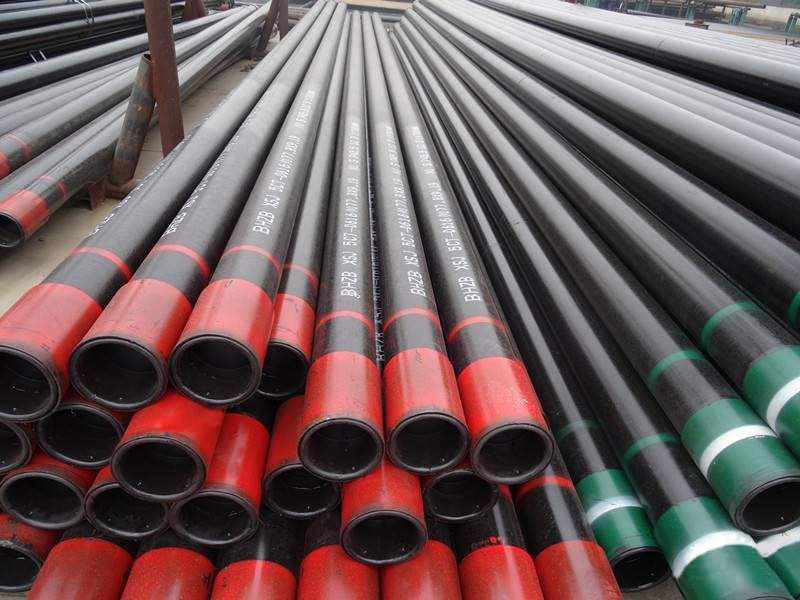
In recent years, **steel line pipe** has emerged as a cornerstone of modern pipeline infrastructure. With increasing demand for reliable and efficient transportation of liquids and gases, industries are turning to steel line pipes for their superior properties. This article explores the reasons why steel line pipe is being hailed as the future of pipeline infrastructure, focusing on its benefits, diverse applications, and the trends shaping its usage.
Advantages of Steel Line Pipe
Steel line pipes offer a myriad of advantages, making them a preferred choice in various sectors. Here, we break down the key benefits:
Durability and Strength
Steel is renowned for its exceptional strength. **Steel line pipes** can withstand high pressure and extreme temperatures, making them ideal for transporting hazardous materials. Their robust nature ensures longevity and reduces the frequency of replacements, decreasing overall project costs.
Corrosion Resistance
Modern steel line pipes often come with protective coatings that guard against corrosion. This characteristic extends the lifespan of the pipes, particularly in environments where they are exposed to moisture or aggressive chemicals. Enhanced corrosion resistance translates to fewer maintenance requirements and lower operational costs.
Cost-Effectiveness
While the initial investment in steel line pipe may be higher compared to other materials, their durability results in long-term savings. Reduced maintenance and replacement costs, along with lower operational downtime, make steel line pipes a cost-effective choice for pipeline projects.
Versatility
Steel line pipes can be manufactured in various sizes and thicknesses, accommodating a wide range of applications from oil and gas transportation to water supply and sewage systems. Their adaptability allows for custom solutions tailored to specific project demands.
Applications of Steel Line Pipe in Various Industries
Steel line pipes find extensive usage across different sectors. Here, we outline some of the primary applications:
Oil and Gas Industry
In the oil and gas sector, steel line pipes are crucial for transporting crude oil, natural gas, and refined products. Their ability to handle high-pressure environments and resist corrosion makes them indispensable in this industry.
Water Supply and Distribution
Municipal water supply systems utilize steel line pipes for their strength and reliability. These pipes can efficiently transport potable water over long distances while minimizing the risk of leakage or contamination.
Sewage and Waste Management
Steel line pipes are also employed in sewage systems due to their durability and resistance to chemicals. They are essential for ensuring the safe and efficient disposal of wastewater.
Industrial Applications
Various industrial applications, including chemicals, pharmaceuticals, and food processing, utilize steel line pipes for their robustness and suitability for transporting a diverse range of materials.
Steel Line Pipe vs. Other Pipeline Materials
When comparing steel line pipes to other materials such as plastic and fiberglass, several distinctions emerge:
Performance
Steel line pipes outperform many alternatives in terms of pressure tolerance and durability. While plastic pipes are lightweight and corrosion-resistant, they can be prone to damage under extreme conditions. Steel's inherent strength makes it a more reliable choice for high-stress applications.
Longevity
Steel line pipes typically outlast their plastic counterparts. While plastic may degrade over time due to UV exposure and temperature fluctuations, steel maintains its integrity for decades when properly maintained.
Environmental Impact
Steel is recyclable, making it a more sustainable option compared to some plastics that contribute to environmental pollution. The lifecycle analysis of steel line pipes indicates a smaller carbon footprint when considering recycling and reuse.
Environmental Impact and Sustainability of Steel Line Pipe
The environmental implications of using **steel line pipes** cannot be overstated. As industries increasingly prioritize sustainability, the recyclability of steel becomes a significant advantage.
Recyclability
Steel can be recycled multiple times without losing its properties, making it an environmentally friendly option. This characteristic not only minimizes waste but also reduces the demand for new materials, conserving natural resources.
Reducing Carbon Footprint
The use of steel line pipes in pipeline infrastructure contributes to lower emissions. As they require less frequent replacement and maintenance, industries can optimize their operations and reduce their overall carbon footprint.
Innovative Coatings
Advancements in protective coatings for steel line pipes have further enhanced their sustainability. These coatings not only provide corrosion resistance but also minimize the need for toxic chemicals in maintenance processes.
Future Trends in Pipeline Infrastructure
As technology continues to evolve, the future of pipeline infrastructure looks promising, particularly for steel line pipes.
Smart Pipeline Technology
The integration of smart technology, including sensors and monitoring systems, is set to revolutionize pipeline infrastructure. These innovations will enable real-time monitoring of pipe conditions, enhancing safety and efficiency.
Increased Automation
Automation in the manufacturing and installation processes of steel line pipes will lead to improved precision and efficiency. This trend is expected to drive down costs and enhance the quality of pipeline systems.
Sustainability Initiatives
With growing environmental concerns, industries are likely to prioritize sustainable practices. The demand for steel line pipes that align with eco-friendly initiatives will surge, promoting further innovation in materials and coatings.
Challenges and Solutions in Steel Line Pipe Usage
Despite their advantages, the use of steel line pipes is not without challenges. Identifying these hurdles and exploring potential solutions is crucial for the continued success of steel in pipeline infrastructure.
Corrosion Management
Corrosion remains a significant challenge in the industry. However, advancements in corrosion-resistant coatings and cathodic protection systems provide effective solutions, ensuring the longevity of steel line pipes.
Cost Fluctuations
The cost of steel can fluctuate based on market conditions. To mitigate this risk, industries can explore long-term contracts with suppliers or consider alternative sourcing strategies.
Installation Challenges
The installation of steel line pipes can be complex, requiring skilled labor and specialized equipment. Investing in training programs and employing innovative installation techniques can help address these challenges.
Frequently Asked Questions
1. What are the main advantages of using steel line pipes?
The primary advantages include durability, corrosion resistance, cost-effectiveness, and versatility across various applications.
2. How long do steel line pipes typically last?
With proper maintenance, steel line pipes can last for several decades, often exceeding 50 years.
3. Are steel line pipes environmentally friendly?
Yes, steel is highly recyclable and has a lower carbon footprint when considering its entire lifecycle compared to many other materials.
4. What industries primarily use steel line pipes?
Steel line pipes are widely used in the oil and gas industry, municipal water supply, sewage systems, and various industrial applications.
5. What challenges do steel line pipes face?
Challenges include corrosion management, cost fluctuations, and installation complexities. However, advancements in technology continue to provide solutions.
Conclusion
Steel line pipes are undeniably the future of pipeline infrastructure. Their unmatched strength, durability, and recyclability position them as the optimal choice for industries seeking reliable and efficient solutions for transporting essential resources. As we move forward, the integration of advanced technologies and sustainable practices will further enhance the value of steel line pipes, ensuring their dominance in pipeline infrastructure for years to come. The ongoing innovations in this field promise not only to meet the growing demands of various industries but also to address the environmental challenges we face today. Investing in steel line pipes is not just a choice for today; it’s a commitment to a sustainable and efficient future in pipeline infrastructure.
Key words:

Contact
E-mail:
Add:
Hope New District, Mengcun Hui Autonomous County,
Cangzhou City, Hebei Province


PRODUCT SEARCH
Search And Quickly Find The Products You Need
The main products include oil pipeline pipes, oil casing and various specifications of GB/T8162 structural pipes, GB8/T163 fluid pipes, GB/T3087 low and medium pressure boiler pipes, G/TB5310 high pressure boiler pipes, GB/T6479 fertilizer special pipes, etc.