
Understanding Oil Line Pipes: Essential Insights for Construction and Design
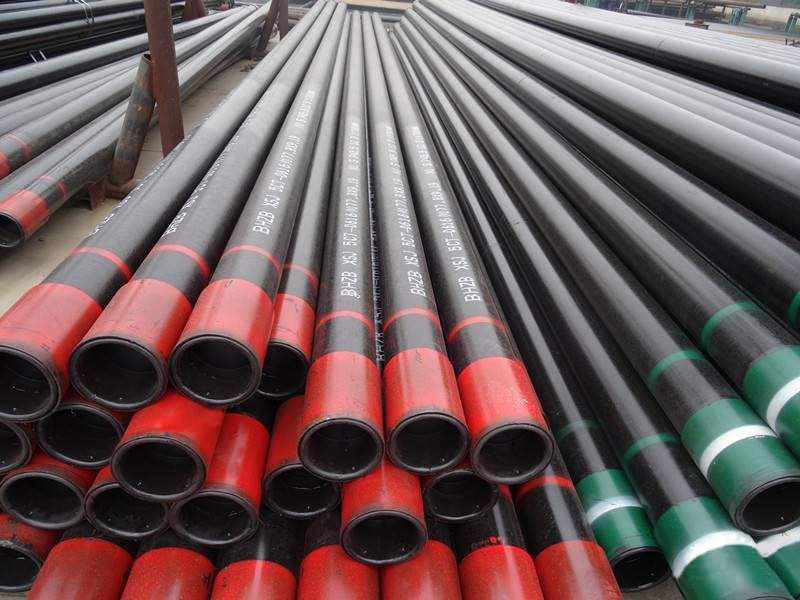
In the construction and decorative materials industry, oil line pipes serve as a vital component in various pipeline systems. These pipes are specifically designed to transport oil and other related substances efficiently and safely. Understanding the characteristics and applications of oil line pipes can significantly enhance project outcomes and ensure compliance with industry standards.
Oil lin
Sep 25,2026

In the construction and decorative materials industry, oil line pipes serve as a vital component in various pipeline systems. These pipes are specifically designed to transport oil and other related substances efficiently and safely. Understanding the characteristics and applications of oil line pipes can significantly enhance project outcomes and ensure compliance with industry standards.
Oil line pipes are typically manufactured from durable materials that can withstand high pressure and temperature fluctuations. Common materials used include steel, stainless steel, and high-density polyethylene (HDPE). Each material offers distinct advantages, such as resistance to corrosion, flexibility, and longevity. For instance, steel pipes are known for their strength and durability, making them suitable for high-pressure applications, while HDPE pipes offer excellent resistance to chemical erosion, making them ideal for transporting various fluids, including oil.
One of the critical factors to consider when selecting oil line pipes is the pipe's diameter and wall thickness. These dimensions directly affect the flow rate and pressure capacity of the pipe. Proper sizing ensures that the pipeline system operates effectively, minimizing the risk of leaks and failures. Engineers and designers must carefully calculate these specifications based on the specific requirements of the project and the properties of the oil being transported.
Another essential aspect of oil line pipes is their installation and maintenance. Proper installation techniques are crucial to prevent damage and ensure the longevity of the pipeline system. This includes using appropriate fittings, seals, and joints to create a leak-proof system. Regular maintenance and inspections are also necessary to detect any signs of wear or damage, allowing for timely repairs and replacements.
In addition to technical specifications, it is essential to be aware of environmental regulations and safety standards related to oil line pipes. Compliance with these regulations not only ensures the safety of workers and the public but also protects the environment from potential hazards associated with oil spills and leaks. Choosing the right oil line pipes means being proactive about safety and sustainability.
In summary, oil line pipes are a critical element in the construction and decorative materials industry, particularly within pipeline systems. Their design, material composition, and proper installation play a significant role in the efficiency and safety of oil transportation. By understanding these factors, professionals in the field can make informed decisions that enhance project success and compliance with industry standards. Whether you're planning a new construction project or upgrading existing pipeline systems, recognizing the importance of oil line pipes is essential for optimal results.
Oil line pipes are typically manufactured from durable materials that can withstand high pressure and temperature fluctuations. Common materials used include steel, stainless steel, and high-density polyethylene (HDPE). Each material offers distinct advantages, such as resistance to corrosion, flexibility, and longevity. For instance, steel pipes are known for their strength and durability, making them suitable for high-pressure applications, while HDPE pipes offer excellent resistance to chemical erosion, making them ideal for transporting various fluids, including oil.
One of the critical factors to consider when selecting oil line pipes is the pipe's diameter and wall thickness. These dimensions directly affect the flow rate and pressure capacity of the pipe. Proper sizing ensures that the pipeline system operates effectively, minimizing the risk of leaks and failures. Engineers and designers must carefully calculate these specifications based on the specific requirements of the project and the properties of the oil being transported.
Another essential aspect of oil line pipes is their installation and maintenance. Proper installation techniques are crucial to prevent damage and ensure the longevity of the pipeline system. This includes using appropriate fittings, seals, and joints to create a leak-proof system. Regular maintenance and inspections are also necessary to detect any signs of wear or damage, allowing for timely repairs and replacements.
In addition to technical specifications, it is essential to be aware of environmental regulations and safety standards related to oil line pipes. Compliance with these regulations not only ensures the safety of workers and the public but also protects the environment from potential hazards associated with oil spills and leaks. Choosing the right oil line pipes means being proactive about safety and sustainability.
In summary, oil line pipes are a critical element in the construction and decorative materials industry, particularly within pipeline systems. Their design, material composition, and proper installation play a significant role in the efficiency and safety of oil transportation. By understanding these factors, professionals in the field can make informed decisions that enhance project success and compliance with industry standards. Whether you're planning a new construction project or upgrading existing pipeline systems, recognizing the importance of oil line pipes is essential for optimal results.
Key words:


Contact
E-mail:
Add:
Hope New District, Mengcun Hui Autonomous County,
Cangzhou City, Hebei Province


PRODUCT SEARCH
Search And Quickly Find The Products You Need
The main products include oil pipeline pipes, oil casing and various specifications of GB/T8162 structural pipes, GB8/T163 fluid pipes, GB/T3087 low and medium pressure boiler pipes, G/TB5310 high pressure boiler pipes, GB/T6479 fertilizer special pipes, etc.