
Maximizing Oil Pipeline Performance with Seamless Pipe Solutions
Maximizing Oil Pipeline Performance with Seamless Pipe Solutions
Introduction to Seamless Pipe Solutions in Oil Pipeline Systems
In the world of oil transportation, ensuring optimal performance and reliability is crucial for the longevity and efficiency of pipeline systems. At the heart of this endeavor are seamless pipe solutions, which offer unique advantages over traditional welded pipes. This
Sep 22,2026

Maximizing Oil Pipeline Performance with Seamless Pipe Solutions
Introduction to Seamless Pipe Solutions in Oil Pipeline Systems
In the world of oil transportation, ensuring optimal performance and reliability is crucial for the longevity and efficiency of pipeline systems. At the heart of this endeavor are seamless pipe solutions, which offer unique advantages over traditional welded pipes. This article delves into how seamless pipes enhance oil pipeline performance, exploring their design, manufacturing process, and application in various oil transport scenarios.
The Importance of Seamless Pipes in Oil Pipelines
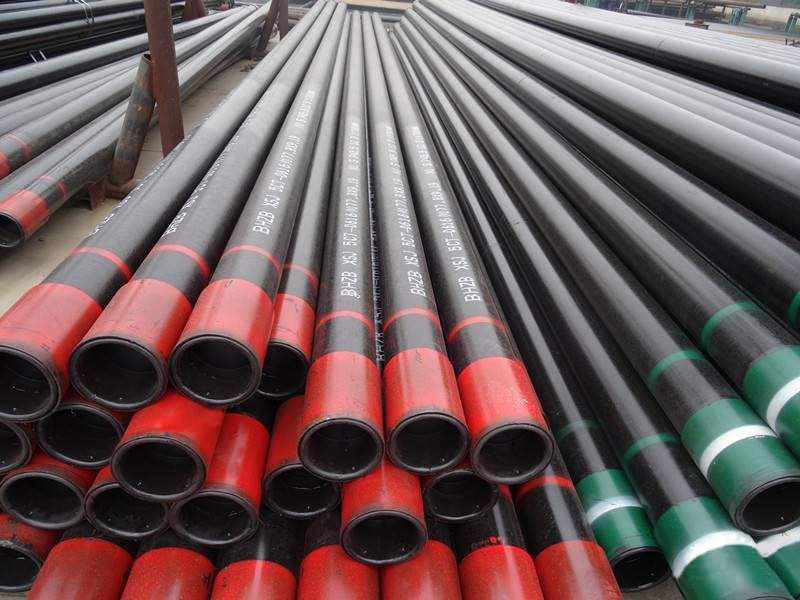
Seamless pipes are manufactured without any seams or welds, leading to enhanced strength and durability. This design feature is particularly important in oil pipeline systems, where high pressures and corrosive materials can challenge conventional pipes. The absence of seams reduces the likelihood of leaks and failures, making seamless pipes the preferred choice for many operators.
Key Benefits of Seamless Pipe Solutions
1. **Increased Strength and Durability**: Seamless pipes exhibit superior mechanical properties, making them more resistant to pressure and environmental wear and tear.
2. **Enhanced Corrosion Resistance**: The uniform structure of seamless pipes helps prevent corrosion, which is a significant concern in oil transportation.
3. **Improved Flow Efficiency**: The smooth inner surface of seamless pipes minimizes friction, facilitating better fluid flow and reducing energy costs.
4. **Longer Service Life**: The robust design of seamless pipes contributes to their longevity, which in turn reduces maintenance costs and downtime.
Understanding the Manufacturing Process of Seamless Pipes
The manufacturing process of seamless pipes involves several key stages, each contributing to the overall quality and performance of the final product.
Steel Selection and Heat Treatment
The journey begins with selecting high-grade steel. Materials such as carbon steel and alloy steel are commonly used due to their superior mechanical and chemical properties. Heat treatment processes enhance the steel's performance characteristics, providing the necessary strength and ductility.
Extrusion and Piercing Techniques
Seamless pipes are produced using either the extrusion method or the rotary piercing technique. In the extrusion method, heated steel is pushed through a die to create a hollow tube. The rotary piercing technique involves rotating a solid billet to create a pipe with a uniform wall thickness. Both methods ensure the integrity of the pipe by eliminating weak points that are often found in welded pipes.
Finishing Processes for Seamless Pipes
After forming, seamless pipes undergo various finishing processes, including hot rolling, cold rolling, and surface treatment. These processes refine the pipe’s dimensions, improve surface quality, and enhance overall performance.
Applications of Seamless Pipes in Oil Pipeline Systems
Seamless pipes find widespread use across various segments of the oil industry, from exploration to distribution.
Upstream Applications: Drilling and Exploration
In upstream oil operations, seamless pipes are used in drilling rigs and well casings. Their strength and resistance to corrosion make them ideal for withstanding the harsh conditions encountered during exploration.
Midstream Applications: Transportation and Storage
During the midstream phase, seamless pipes are crucial for transporting crude oil and refined products. Their ability to maintain structural integrity under high pressure and temperature is vital for ensuring safe and efficient transport.
Downstream Applications: Refining and Distribution
In downstream operations, seamless pipes are employed in refineries and distribution networks, facilitating the transfer of refined products to various markets while ensuring minimal leakage and maximum operational efficiency.
Best Practices for Maximizing Oil Pipeline Performance
To fully leverage the advantages of seamless pipe solutions in oil pipelines, operators should adhere to best practices throughout the pipeline lifecycle.
Regular Inspection and Maintenance
Routine inspection is essential for identifying potential issues before they escalate. Non-destructive testing methods, such as ultrasonic testing and radiographic inspection, should be employed to monitor the integrity of seamless pipes.
Implementing Advanced Monitoring Technologies
Integrating smart technologies, such as IoT sensors and data analytics, can enhance the monitoring of pipeline performance. These tools allow for real-time data collection and analysis, enabling proactive maintenance and performance optimization.
Utilizing Proper Installation Techniques
Correct installation is critical to maximizing the performance of seamless pipes. Following industry standards and guidelines during installation helps minimize stress and strain on the pipes, contributing to their longevity and performance.
Environmental Considerations and Sustainability
As the oil industry faces increasing pressure to adopt sustainable practices, the role of seamless pipes in minimizing environmental impact cannot be overlooked.
Reducing Emissions and Environmental Risks
The robust nature of seamless pipes leads to fewer leaks and spills, significantly reducing environmental risks associated with oil transportation. Additionally, their extended service life contributes to lower resource consumption over time.
Exploring Eco-Friendly Manufacturing Processes
Many manufacturers are now exploring eco-friendly practices in the production of seamless pipes. Utilizing recycled materials and energy-efficient manufacturing techniques can further reduce the environmental footprint of seamless pipe solutions.
Future Trends in Seamless Pipe Technology
The seamless pipe industry is continuously evolving, driven by advancements in technology and shifts in market demands.
Innovative Materials and Coatings
Research and development are paving the way for new materials and coatings that enhance the performance of seamless pipes. These innovations aim to improve corrosion resistance and durability, ensuring seamless pipes remain a reliable choice for oil transportation.
Integration of Smart Technologies
The future of seamless pipes involves the integration of smart technologies, enabling real-time monitoring and predictive maintenance. Such advancements will further enhance operational efficiency and reduce the risks associated with pipeline transport.
FAQs About Seamless Pipe Solutions in Oil Pipeline Systems
1. What are the main advantages of seamless pipes over welded pipes?
Seamless pipes offer greater strength, reduced risk of leaks, better flow efficiency, and longer service life compared to welded pipes.
2. How are seamless pipes manufactured?
Seamless pipes are manufactured through processes such as extrusion and rotary piercing, eliminating seams that can weaken the structure.
3. Where are seamless pipes typically used in the oil industry?
Seamless pipes are used in upstream drilling operations, midstream transportation, and downstream refining processes.
4. What maintenance practices should be followed for seamless pipes?
Regular inspections, advanced monitoring technologies, and proper installation techniques are essential for maintaining seamless pipes.
5. How do seamless pipes contribute to environmental sustainability?
Seamless pipes reduce the risk of leaks and spills, thereby minimizing environmental impact while also promoting longer service life and resource efficiency.
Conclusion
Maximizing oil pipeline performance is essential for ensuring efficiency, safety, and sustainability in oil transportation. Seamless pipe solutions stand out as a superior choice, offering benefits that significantly enhance pipeline integrity and performance. By understanding their advantages, manufacturing processes, applications, and best practices, operators can fully utilize seamless pipes to optimize their oil pipeline systems. As the industry continues to evolve, embracing advancements in technology and eco-friendly practices will further solidify the role of seamless pipes in the future of oil transportation.
Key words:


Contact
E-mail:
Add:
Hope New District, Mengcun Hui Autonomous County,
Cangzhou City, Hebei Province


PRODUCT SEARCH
Search And Quickly Find The Products You Need
The main products include oil pipeline pipes, oil casing and various specifications of GB/T8162 structural pipes, GB8/T163 fluid pipes, GB/T3087 low and medium pressure boiler pipes, G/TB5310 high pressure boiler pipes, GB/T6479 fertilizer special pipes, etc.