
Understanding Oil Casing Pipe: Key Insights for Construction and Decoration Professionals
---
Oil casing pipes play a vital role in the oil and gas industry, providing structural integrity and safety during drilling operations. These pipes are designed to withstand various pressures and environmental conditions, making them essential in ensuring the effective extraction of hydrocarbons. As a professional in the construction and decoration materials sector, understanding the characteris
Sep 19,2026
---
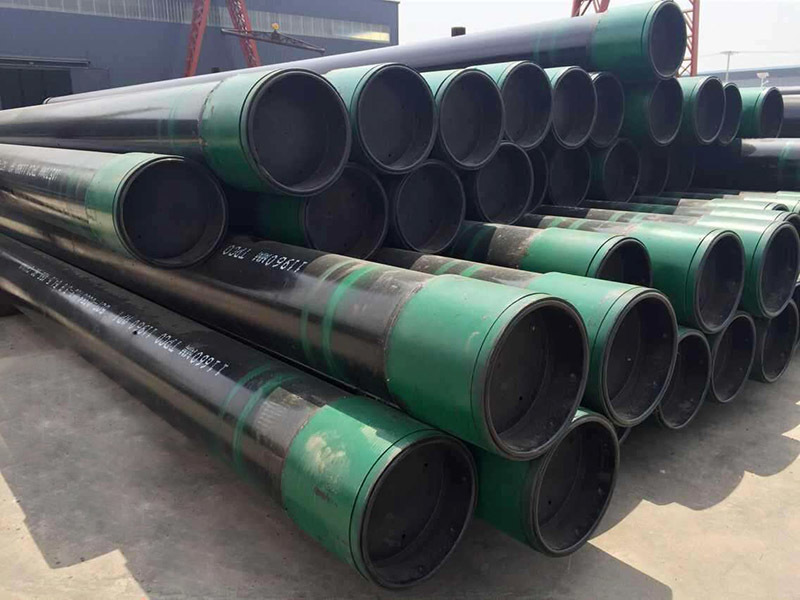
Oil casing pipes play a vital role in the oil and gas industry, providing structural integrity and safety during drilling operations. These pipes are designed to withstand various pressures and environmental conditions, making them essential in ensuring the effective extraction of hydrocarbons. As a professional in the construction and decoration materials sector, understanding the characteristics and applications of oil casing pipes can provide you with a competitive edge in your projects.
First and foremost, oil casing pipes are typically made from high-strength steel, which is capable of withstanding the demanding conditions encountered during drilling. The most common types of steel used are API (American Petroleum Institute) grades, which are standardized to ensure quality and performance. The selection of a specific grade is crucial, as it determines the pipe’s durability, resistance to corrosion, and suitability for particular drilling environments.
The primary function of oil casing pipes is to support the walls of the borehole and prevent collapse, especially in unstable geological formations. By providing a protective barrier, these pipes help maintain the integrity of the well, reducing the risk of contamination and ensuring that drilling fluids do not escape into surrounding rock formations. This is particularly important in safeguarding groundwater resources and protecting the environment from potential pollution.
In addition to their structural role, oil casing pipes also facilitate the safe transportation of oil and gas from the well to the surface. By maintaining pressure and preventing leakages, these pipes ensure efficient resource extraction and contribute to the overall economic viability of oil drilling operations. Their design allows for the installation of various types of equipment, such as pumps and valves, which are essential for managing the flow of extracted resources.
When selecting oil casing pipes for your projects, it's essential to consider factors such as the well's depth, the type of geological formation, and the expected pressure conditions. This will help you choose the right specifications for your casing pipes, optimizing performance and safety.
Moreover, advancements in technology have led to the development of specialized coatings and treatments that enhance the corrosion resistance of oil casing pipes. These innovations not only prolong the lifespan of the pipes but also reduce maintenance costs over time, making them a more cost-effective solution for long-term projects.
In conclusion, oil casing pipes are integral to the success of drilling operations, providing safety, efficiency, and environmental protection. By understanding their functionality and applications, professionals in the construction and decoration materials sector can make informed decisions that contribute to the success of their projects. Investing in quality oil casing pipes will ultimately lead to improved performance and reliability in your operations.
Oil casing pipes play a vital role in the oil and gas industry, providing structural integrity and safety during drilling operations. These pipes are designed to withstand various pressures and environmental conditions, making them essential in ensuring the effective extraction of hydrocarbons. As a professional in the construction and decoration materials sector, understanding the characteristics and applications of oil casing pipes can provide you with a competitive edge in your projects.
First and foremost, oil casing pipes are typically made from high-strength steel, which is capable of withstanding the demanding conditions encountered during drilling. The most common types of steel used are API (American Petroleum Institute) grades, which are standardized to ensure quality and performance. The selection of a specific grade is crucial, as it determines the pipe’s durability, resistance to corrosion, and suitability for particular drilling environments.
The primary function of oil casing pipes is to support the walls of the borehole and prevent collapse, especially in unstable geological formations. By providing a protective barrier, these pipes help maintain the integrity of the well, reducing the risk of contamination and ensuring that drilling fluids do not escape into surrounding rock formations. This is particularly important in safeguarding groundwater resources and protecting the environment from potential pollution.
In addition to their structural role, oil casing pipes also facilitate the safe transportation of oil and gas from the well to the surface. By maintaining pressure and preventing leakages, these pipes ensure efficient resource extraction and contribute to the overall economic viability of oil drilling operations. Their design allows for the installation of various types of equipment, such as pumps and valves, which are essential for managing the flow of extracted resources.
When selecting oil casing pipes for your projects, it's essential to consider factors such as the well's depth, the type of geological formation, and the expected pressure conditions. This will help you choose the right specifications for your casing pipes, optimizing performance and safety.
Moreover, advancements in technology have led to the development of specialized coatings and treatments that enhance the corrosion resistance of oil casing pipes. These innovations not only prolong the lifespan of the pipes but also reduce maintenance costs over time, making them a more cost-effective solution for long-term projects.
In conclusion, oil casing pipes are integral to the success of drilling operations, providing safety, efficiency, and environmental protection. By understanding their functionality and applications, professionals in the construction and decoration materials sector can make informed decisions that contribute to the success of their projects. Investing in quality oil casing pipes will ultimately lead to improved performance and reliability in your operations.
Key words:


Contact
E-mail:
Add:
Hope New District, Mengcun Hui Autonomous County,
Cangzhou City, Hebei Province


PRODUCT SEARCH
Search And Quickly Find The Products You Need
The main products include oil pipeline pipes, oil casing and various specifications of GB/T8162 structural pipes, GB8/T163 fluid pipes, GB/T3087 low and medium pressure boiler pipes, G/TB5310 high pressure boiler pipes, GB/T6479 fertilizer special pipes, etc.