
Building a Strong Foundation: The Importance of Oil Tubing Pipe in Construction and Design
Building a Strong Foundation: The Importance of Oil Tubing Pipe in Construction and Design
Table of Contents
Introduction to Oil Tubing Pipe
What is Oil Tubing Pipe?
Types of Oil Tubing Pipes and Their Uses
Seamless Oil Tubing
Welded Oil Tubing
The Importance of Oil Tubing Pipe in Construction
Benefits of Utilizing Oil
Sep 16,2026
Building a Strong Foundation: The Importance of Oil Tubing Pipe in Construction and Design
Table of Contents
- Introduction to Oil Tubing Pipe
- What is Oil Tubing Pipe?
- Types of Oil Tubing Pipes and Their Uses
- The Importance of Oil Tubing Pipe in Construction
- Installation Process of Oil Tubing Pipe
- Maintenance of Oil Tubing Pipe
- Common Issues and Solutions
- Conclusion
- FAQs
Introduction to Oil Tubing Pipe
In the realm of construction, the **oil tubing pipe** plays an indispensable role, often overlooked yet fundamentally essential. It serves as a conduit for transporting oil, gas, and other fluids, safeguarding the structural integrity of various systems. As we delve deeper into this article, we'll explore the diverse types of oil tubing pipes, their significance in construction projects, and best practices for installation and maintenance.
What is Oil Tubing Pipe?
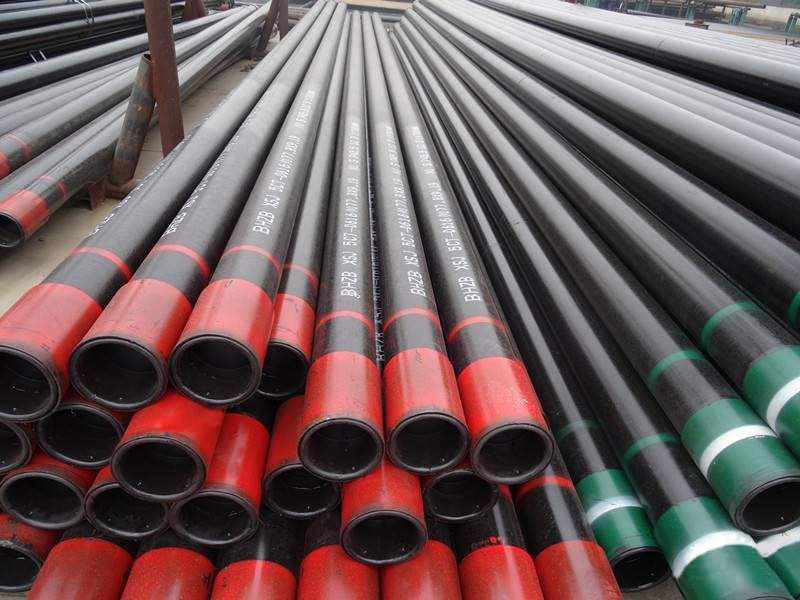
Oil tubing pipe is specifically designed for the extraction and transportation of oil and gas. Generally made from high-quality materials such as carbon steel or stainless steel, these pipes are engineered to withstand extreme pressures and corrosive environments. Their primary function is to support the flow of fluids from the well to the surface, ensuring efficient and safe operations.
Types of Oil Tubing Pipes and Their Uses
Understanding the different types of oil tubing pipes is crucial for selecting the right one for your projects.
Seamless Oil Tubing
Seamless oil tubing is manufactured without welded joints, which makes it exceptionally strong and reliable. This type of tubing is ideal for high-pressure applications, as it can endure significant stress without risk of leakage or failure. **Seamless pipes** are predominantly used in critical operations such as oil drilling and transportation.
Welded Oil Tubing
Welded oil tubing, on the other hand, is created by joining materials through welding techniques. While generally less expensive than seamless pipes, welded tubing may not offer the same level of durability under extreme conditions. However, it is commonly used for lower-pressure applications and can be a suitable choice for various construction scenarios.
The Importance of Oil Tubing Pipe in Construction
In the construction industry, the proper use of oil tubing pipe can significantly enhance the **safety, efficiency, and sustainability** of projects. Below are several key reasons why investing in high-quality oil tubing is crucial.
Benefits of Utilizing Oil Tubing Pipe
1. **Enhanced Safety**: Oil tubing pipes are designed to prevent leaks and spills, reducing the risk of environmental hazards. This safety feature is particularly important in sensitive areas where contamination could have severe consequences.
2. **Cost-Efficiency**: By using durable oil tubing, construction projects can minimize the need for frequent replacements and repairs. This not only saves money in the long run but also contributes to a more sustainable construction approach.
3. **Optimized Performance**: High-quality oil tubing ensures optimal flow rates, which is essential for the efficiency of oil extraction and transportation processes. Using the right type of tubing can directly impact the overall performance of the system.
Durability and Resilience of Oil Tubing Pipe
The durability of oil tubing pipes is one of their most significant advantages. They are designed to withstand the harsh conditions associated with oil and gas extraction, including pressure fluctuations and corrosive substances. This resilience means that well-constructed oil tubing can last for decades, providing reliable service throughout its lifespan.
Installation Process of Oil Tubing Pipe
Proper installation of oil tubing pipe is critical to ensuring its effectiveness and longevity. Below are essential steps to consider during the installation process.
Pre-Installation Considerations
Before installation, several factors must be assessed:
- **Site Assessment**: Analyze the geological conditions of the installation site to determine the appropriate type of oil tubing required.
- **Material Selection**: Choose between seamless and welded tubing based on the specific requirements of your project.
- **Regulatory Compliance**: Ensure that all installation practices adhere to local regulations and industry standards.
Step-by-Step Installation Guide
1. **Prepare the Site**: Clear the installation area and ensure that all necessary tools and materials are available.
2. **Cut the Tubing**: Measure and cut the oil tubing pipe to the required lengths, ensuring clean and accurate cuts.
3. **Assemble the Components**: Connect the tubing and fittings using appropriate joining methods, such as welding or threading.
4. **Test for Leaks**: Once assembled, conduct pressure tests to check for potential leaks in the system.
5. **Secure the Installation**: Finally, secure the tubing in place using brackets or supports to prevent movement and ensure stability.
Maintenance of Oil Tubing Pipe
Regular maintenance is essential to prolonging the life of oil tubing pipes. Here are some best practices:
- **Inspection**: Conduct routine inspections for signs of corrosion, wear, or leaks.
- **Cleaning**: Remove any debris or buildup that could obstruct flow.
- **Repair**: Address any issues immediately to prevent further damage and ensure continuous operation.
Common Issues and Solutions
While oil tubing pipes are generally reliable, various issues may arise. Below are common problems and their corresponding solutions:
- **Corrosion**: Regularly inspect and apply protective coatings to prevent corrosion.
- **Leaks**: Immediately repair any leaks identified during inspections to minimize risks.
- **Blockages**: Implement a cleaning schedule to remove any debris that may hinder the flow of fluids.
Conclusion
In conclusion, oil tubing pipe is a crucial component in construction and design, particularly in the oil and gas industry. Its durability, safety, and efficiency make it an essential investment for any construction project. By understanding the types of oil tubing pipes available, their importance, installation practices, and maintenance requirements, we can ensure the success and longevity of our projects. As we move forward in the ever-evolving construction landscape, utilizing high-quality oil tubing pipe will undoubtedly play a critical role in building strong foundations.
FAQs
1. **What is the primary function of oil tubing pipe?**
- The primary function of oil tubing pipe is to transport oil and gas from extraction points to the surface, ensuring efficiency and safety.
2. **What are the most common materials used for oil tubing pipes?**
- Oil tubing pipes are typically made from carbon steel or stainless steel due to their strength and resistance to corrosion.
3. **How often should oil tubing pipes be inspected?**
- It is recommended to conduct inspections every six months to identify any potential issues early.
4. **Can welded oil tubing be used in high-pressure applications?**
- While welded oil tubing can handle moderate pressures, seamless oil tubing is preferred for high-pressure scenarios due to its lack of welded seams.
5. **What maintenance practices are essential for oil tubing pipes?**
- Regular inspections, cleaning, and prompt repairs are essential to maintain the integrity and performance of oil tubing pipes.
By implementing these practices and understanding the importance of oil tubing pipe, we can ensure a safer, more effective approach to construction and infrastructure development.
Key words:


Contact
E-mail:
Add:
Hope New District, Mengcun Hui Autonomous County,
Cangzhou City, Hebei Province


PRODUCT SEARCH
Search And Quickly Find The Products You Need
The main products include oil pipeline pipes, oil casing and various specifications of GB/T8162 structural pipes, GB8/T163 fluid pipes, GB/T3087 low and medium pressure boiler pipes, G/TB5310 high pressure boiler pipes, GB/T6479 fertilizer special pipes, etc.