
Understanding Steel Line Pipes: Applications, Advantages, and Maintenance
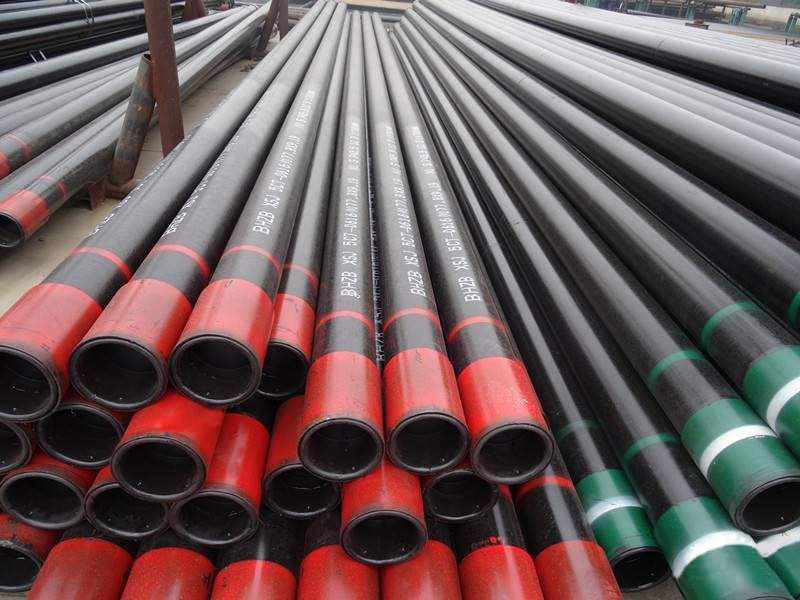
Steel line pipes are crucial components in various piping systems, especially in the construction and decorative materials industry. These pipes, typically made from high-quality steel, are designed to transport fluids and gases efficiently across different applications. Their durability and strength make them a preferred choice for contractors and builders looking for reliable solutions in their
Sep 13,2026

Steel line pipes are crucial components in various piping systems, especially in the construction and decorative materials industry. These pipes, typically made from high-quality steel, are designed to transport fluids and gases efficiently across different applications. Their durability and strength make them a preferred choice for contractors and builders looking for reliable solutions in their construction projects.
One of the primary advantages of steel line pipes is their exceptional resistance to high pressure and temperature variations. This characteristic makes them suitable for a range of applications, including water supply, gas distribution, and industrial processes. Additionally, steel line pipes exhibit excellent corrosion resistance, especially when treated with anti-corrosive coatings or finishes. This feature is particularly important in environments where exposure to moisture and harsh chemicals is common.
In the context of construction, steel line pipes are often used in structural applications, such as reinforcing beams and columns. Their high tensile strength enables them to bear significant loads, making them an ideal choice in building infrastructures. Moreover, the versatility of steel line pipes allows for easy integration with various fittings and connectors, facilitating seamless installation in diverse piping systems.
When considering maintenance, it is essential to regularly inspect steel line pipes for any signs of wear or damage. Common issues include rust formation, leaks, and physical deformation due to external forces. Implementing a routine maintenance schedule can help ensure the longevity and reliability of steel line pipes. Additionally, utilizing protective coatings can enhance their lifespan and reduce the frequency of repairs.
Another noteworthy aspect of steel line pipes is their environmental impact. While steel production involves energy-intensive processes, advancements in manufacturing techniques have led to more sustainable practices. Many manufacturers now emphasize recycling and using recycled materials, which minimizes the ecological footprint of steel line pipe production. This makes them a more environmentally friendly option compared to other materials.
In conclusion, steel line pipes are an integral part of modern piping systems in the construction and decorative materials industry. Their strength, durability, and versatility make them ideal for various applications, from structural support to fluid transportation. By understanding their advantages and maintaining them properly, industry professionals can enhance the efficiency and reliability of their projects. As the demand for high-performance materials continues to grow, steel line pipes will undoubtedly play a vital role in shaping the future of construction.
One of the primary advantages of steel line pipes is their exceptional resistance to high pressure and temperature variations. This characteristic makes them suitable for a range of applications, including water supply, gas distribution, and industrial processes. Additionally, steel line pipes exhibit excellent corrosion resistance, especially when treated with anti-corrosive coatings or finishes. This feature is particularly important in environments where exposure to moisture and harsh chemicals is common.
In the context of construction, steel line pipes are often used in structural applications, such as reinforcing beams and columns. Their high tensile strength enables them to bear significant loads, making them an ideal choice in building infrastructures. Moreover, the versatility of steel line pipes allows for easy integration with various fittings and connectors, facilitating seamless installation in diverse piping systems.
When considering maintenance, it is essential to regularly inspect steel line pipes for any signs of wear or damage. Common issues include rust formation, leaks, and physical deformation due to external forces. Implementing a routine maintenance schedule can help ensure the longevity and reliability of steel line pipes. Additionally, utilizing protective coatings can enhance their lifespan and reduce the frequency of repairs.
Another noteworthy aspect of steel line pipes is their environmental impact. While steel production involves energy-intensive processes, advancements in manufacturing techniques have led to more sustainable practices. Many manufacturers now emphasize recycling and using recycled materials, which minimizes the ecological footprint of steel line pipe production. This makes them a more environmentally friendly option compared to other materials.
In conclusion, steel line pipes are an integral part of modern piping systems in the construction and decorative materials industry. Their strength, durability, and versatility make them ideal for various applications, from structural support to fluid transportation. By understanding their advantages and maintaining them properly, industry professionals can enhance the efficiency and reliability of their projects. As the demand for high-performance materials continues to grow, steel line pipes will undoubtedly play a vital role in shaping the future of construction.
Key words:
PREVIOUS:


Contact
E-mail:
Add:
Hope New District, Mengcun Hui Autonomous County,
Cangzhou City, Hebei Province


PRODUCT SEARCH
Search And Quickly Find The Products You Need
The main products include oil pipeline pipes, oil casing and various specifications of GB/T8162 structural pipes, GB8/T163 fluid pipes, GB/T3087 low and medium pressure boiler pipes, G/TB5310 high pressure boiler pipes, GB/T6479 fertilizer special pipes, etc.