
The Impact of Oil Casing Pipes on Overall Construction Quality: A Comprehensive Guide
The Impact of Oil Casing Pipes on Overall Construction Quality
Table of Contents
Introduction to Oil Casing Pipes
Understanding Oil Casing Pipes
Key Roles of Oil Casing Pipes in Construction
Ensuring Structural Integrity
Material Quality and Durability
Installation Process and Best Practices
Long-Term Perf
Sep 04,2026
The Impact of Oil Casing Pipes on Overall Construction Quality
Table of Contents
- Introduction to Oil Casing Pipes
- Understanding Oil Casing Pipes
- Key Roles of Oil Casing Pipes in Construction
- Ensuring Structural Integrity
- Material Quality and Durability
- Installation Process and Best Practices
- Long-Term Performance of Oil Casing Pipes
- Environmental Considerations in Construction
- Case Studies: Successful Implementation
- The Future of Oil Casing Pipes in Construction
- Frequently Asked Questions
- Conclusion
Introduction to Oil Casing Pipes
Oil casing pipes play a crucial role in the construction industry, especially in the realm of drilling and oil extraction. These pipes are essential for maintaining the integrity of boreholes and ensuring safety during operations. Understanding the impact of oil casing pipes on overall construction quality helps project managers, engineers, and construction teams make informed decisions.
Understanding Oil Casing Pipes
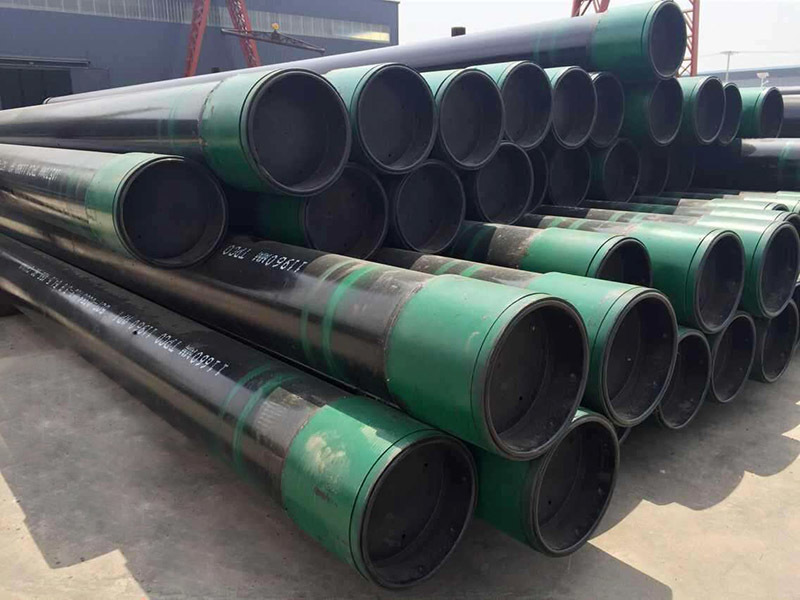
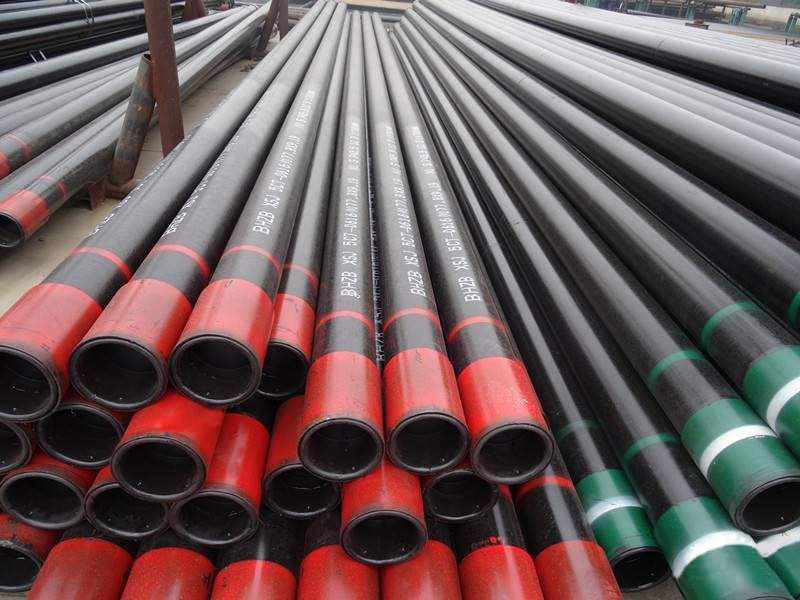
Oil casing pipes are specialized tubes used to line the boreholes drilled for oil and gas extraction. They provide structural support to the borehole walls, prevent contamination of groundwater, and protect the integrity of the drilling process. Typically made from high-strength steel, oil casing pipes are available in various sizes and thicknesses, depending on the specific requirements of the drilling operation.
Composition and Types of Oil Casing Pipes
Oil casing pipes come in several grades and types, each serving specific purposes in the construction and drilling process. The most commonly used types include:
- **Surface Casing:** Installed at the uppermost section of the well, surface casing protects against surface contamination.
- **Intermediate Casing:** This type is used to provide additional support in intermediate depths, often installed in regions with challenging geological conditions.
- **Production Casing:** Installed in the final phase, production casing allows for the extraction of oil and gas.
Understanding the differences between these types is essential for ensuring optimal construction quality and operational safety.
Key Roles of Oil Casing Pipes in Construction
Oil casing pipes serve several vital functions that contribute directly to the quality of construction.
Ensuring Structural Integrity
One of the primary roles of oil casing pipes is to ensure the structural integrity of boreholes. The casing supports the walls of the drilled hole, preventing collapse and allowing for safe extraction of resources. Without adequate casing, the walls can become unstable, leading to dangerous conditions that can halt operations and jeopardize safety.
Material Quality and Durability
The quality of materials used in oil casing pipes significantly impacts their performance. High-grade steel is essential for resisting corrosion and deformation, ensuring that the pipes can withstand extreme pressure and temperature changes during drilling activities. Utilizing superior materials guarantees a longer lifespan and reduces the frequency of replacements, ultimately enhancing overall construction quality.
Installation Process and Best Practices
Proper installation of oil casing pipes is crucial to their performance and the overall success of the construction project. Following industry best practices during installation ensures:
- **Correct Depth Placement:** Ensuring that the casing is placed at the proper depth is essential for protecting groundwater and maintaining structural integrity.
- **Cementing Techniques:** Proper cementing around the casing is vital to sealing any gaps and preventing fluid migration.
- **Quality Control Measures:** Implementing rigorous quality control measures during installation minimizes the risk of future issues.
Long-Term Performance of Oil Casing Pipes
The long-term performance of oil casing pipes is influenced by various factors, including material quality, environmental conditions, and maintenance practices. Regular inspection and maintenance of casing integrity contribute to the durability and reliability of the entire drilling operation.
Indicators of Performance
Several indicators can help determine the long-term performance of oil casing pipes:
- **Corrosion Rates:** Monitoring corrosion rates is vital for assessing the durability of the casing over time.
- **Pressure Testing:** Regular pressure testing ensures that the casing maintains its integrity under operational conditions.
- **Leak Detection Systems:** Implementing leak detection systems helps identify potential issues before they escalate into serious problems.
Environmental Considerations in Construction
In today’s world, environmental considerations play a crucial role in construction quality. Oil casing pipes can significantly minimize environmental risks associated with drilling operations. By preventing contamination of groundwater and ensuring safe drilling practices, oil casing pipes contribute to sustainable construction methods.
Regulatory Compliance
Complying with environmental regulations is essential for any construction project. Adhering to guidelines regarding the use of oil casing pipes can help organizations avoid penalties and enhance their reputation in the industry.
Case Studies: Successful Implementation
Examining real-world examples of successful oil casing pipe implementation provides insight into their effectiveness in construction projects.
Case Study 1: Offshore Drilling Project
An offshore drilling project in the North Sea utilized high-quality oil casing pipes to withstand extreme environmental conditions. The proper selection of casing materials and installation practices led to a successful drilling operation with minimal environmental impact.
Case Study 2: Onshore Gas Extraction
In an onshore gas extraction project, advanced leak detection systems were implemented alongside oil casing pipes. This proactive approach ensured that any potential issues were identified early, resulting in a highly efficient operation with reduced risks.
The Future of Oil Casing Pipes in Construction
As technology continues to advance, the future of oil casing pipes in construction looks promising. Innovations in materials, installation techniques, and monitoring systems are set to enhance the quality and performance of these essential components.
Emerging Trends
- **Smart Technologies:** The integration of smart technologies for monitoring casing integrity in real-time is gaining traction.
- **Sustainable Materials:** Research into more sustainable materials for oil casing pipes will likely lead to reduced environmental impact.
- **Automated Installation Techniques:** Automation in installation processes can improve efficiency and reduce human error.
Frequently Asked Questions
1. What is the primary function of oil casing pipes?
The primary function of oil casing pipes is to provide structural support to boreholes, preventing collapse and contamination of groundwater during oil extraction operations.
2. How are oil casing pipes installed?
Oil casing pipes are installed by drilling a borehole, placing the casing at the required depth, and cementing it to create a seal that prevents fluid migration and ensures stability.
3. What materials are used for oil casing pipes?
Oil casing pipes are typically made from high-grade steel that can withstand harsh conditions, including high pressure and corrosive environments.
4. Why is monitoring the integrity of oil casing pipes important?
Monitoring the integrity of oil casing pipes is crucial for identifying potential issues early on, preventing costly repairs, ensuring safety, and maintaining environmental standards.
5. What are some common challenges associated with oil casing pipes?
Common challenges include corrosion, improper installation, and environmental risks. Addressing these challenges through quality materials and proper installation techniques is essential for successful operations.
Conclusion
In summary, the impact of oil casing pipes on overall construction quality cannot be overstated. From ensuring structural integrity to enhancing environmental safety, these components are integral to the success of drilling operations. By understanding their roles, implementing best practices, and leveraging advancements in technology, we can significantly improve construction quality in the oil and gas industry. As we look to the future, the ongoing evolution of oil casing pipes will continue to play a vital role in shaping sustainable and high-quality construction practices.
Key words:


Contact
E-mail:
Add:
Hope New District, Mengcun Hui Autonomous County,
Cangzhou City, Hebei Province


PRODUCT SEARCH
Search And Quickly Find The Products You Need
The main products include oil pipeline pipes, oil casing and various specifications of GB/T8162 structural pipes, GB8/T163 fluid pipes, GB/T3087 low and medium pressure boiler pipes, G/TB5310 high pressure boiler pipes, GB/T6479 fertilizer special pipes, etc.