
Understanding Oil Tubing Pipe: Key Insights for Professionals in Construction and Decorative Materials
Oil tubing pipes are critical components in various applications, particularly in the extraction and transportation of oil and gas. These pipes are designed to withstand high pressures and extreme conditions, making them essential for safe and efficient operations in the energy sector. Understanding the specifications and uses of oil tubing pipes can significantly benefit professionals in construc
Sep 01,2026
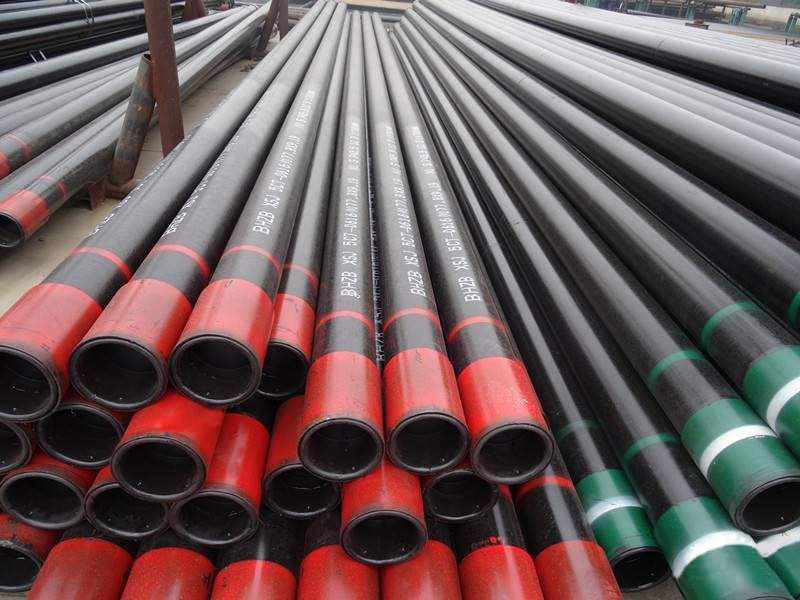
Oil tubing pipes are critical components in various applications, particularly in the extraction and transportation of oil and gas. These pipes are designed to withstand high pressures and extreme conditions, making them essential for safe and efficient operations in the energy sector. Understanding the specifications and uses of oil tubing pipes can significantly benefit professionals in construction and related industries.
Firstly, oil tubing pipes are typically made from high-quality steel materials, which provide durability and resistance to corrosion. This is crucial, as the environments in which they are employed can expose them to harsh chemicals and varying temperatures. The pipes are manufactured in various sizes and thicknesses, allowing for versatility in their applications. The choice of pipe size often depends on the volume of oil or gas being transported and the pressure it will be subjected to during operations.
One of the primary applications of oil tubing pipes is in well drilling. These pipes are used to line the boreholes drilled into the earth, providing structural integrity and preventing the collapse of the wellbore. Additionally, they serve as conduits for the extraction of oil from underground reservoirs. The design of oil tubing pipes includes specific features such as threaded connections to facilitate easy assembly and disassembly, ensuring that maintenance and repairs can be performed without extensive downtime.
Another important aspect of oil tubing pipes is their role in ensuring safety in oil and gas operations. Given the potential hazards associated with transporting flammable materials, these pipes must meet stringent industry standards for pressure and leak prevention. Regular inspections and adherence to safety protocols are vital practices in maintaining the integrity of the piping systems, thus preventing accidents and environmental damage.
Moreover, advancements in technology have led to the development of enhanced oil tubing pipes that incorporate features aimed at improving performance. For example, some modern pipes are designed with enhanced coatings to further resist corrosion and wear, thereby extending their lifespan. This innovation not only contributes to operational efficiency but also reduces the frequency of replacements, ultimately lowering costs.
In summary, oil tubing pipes are indispensable in the construction and decorative materials sector, especially for projects involving oil and gas extraction. Their robust design, versatility, and safety features make them a preferred choice for professionals seeking reliable solutions. By understanding the key attributes and applications of oil tubing pipes, industry professionals can make informed decisions that enhance project success and ensure compliance with safety regulations.
Firstly, oil tubing pipes are typically made from high-quality steel materials, which provide durability and resistance to corrosion. This is crucial, as the environments in which they are employed can expose them to harsh chemicals and varying temperatures. The pipes are manufactured in various sizes and thicknesses, allowing for versatility in their applications. The choice of pipe size often depends on the volume of oil or gas being transported and the pressure it will be subjected to during operations.
One of the primary applications of oil tubing pipes is in well drilling. These pipes are used to line the boreholes drilled into the earth, providing structural integrity and preventing the collapse of the wellbore. Additionally, they serve as conduits for the extraction of oil from underground reservoirs. The design of oil tubing pipes includes specific features such as threaded connections to facilitate easy assembly and disassembly, ensuring that maintenance and repairs can be performed without extensive downtime.
Another important aspect of oil tubing pipes is their role in ensuring safety in oil and gas operations. Given the potential hazards associated with transporting flammable materials, these pipes must meet stringent industry standards for pressure and leak prevention. Regular inspections and adherence to safety protocols are vital practices in maintaining the integrity of the piping systems, thus preventing accidents and environmental damage.
Moreover, advancements in technology have led to the development of enhanced oil tubing pipes that incorporate features aimed at improving performance. For example, some modern pipes are designed with enhanced coatings to further resist corrosion and wear, thereby extending their lifespan. This innovation not only contributes to operational efficiency but also reduces the frequency of replacements, ultimately lowering costs.
In summary, oil tubing pipes are indispensable in the construction and decorative materials sector, especially for projects involving oil and gas extraction. Their robust design, versatility, and safety features make them a preferred choice for professionals seeking reliable solutions. By understanding the key attributes and applications of oil tubing pipes, industry professionals can make informed decisions that enhance project success and ensure compliance with safety regulations.
Key words:
PREVIOUS:


Contact
E-mail:
Add:
Hope New District, Mengcun Hui Autonomous County,
Cangzhou City, Hebei Province


PRODUCT SEARCH
Search And Quickly Find The Products You Need
The main products include oil pipeline pipes, oil casing and various specifications of GB/T8162 structural pipes, GB8/T163 fluid pipes, GB/T3087 low and medium pressure boiler pipes, G/TB5310 high pressure boiler pipes, GB/T6479 fertilizer special pipes, etc.