
The Integral Role of Steel Line Pipe in Modern Water Distribution Systems
The Integral Role of Steel Line Pipe in Modern Water Distribution Systems
Water is an essential resource, and its distribution plays a crucial role in urban planning, infrastructure development, and environmental sustainability. In this intricate network, **steel line pipes** emerge as a fundamental component, ensuring the safe and efficient transport of water. This article delves into the signifi
Aug 29,2026

The Integral Role of Steel Line Pipe in Modern Water Distribution Systems
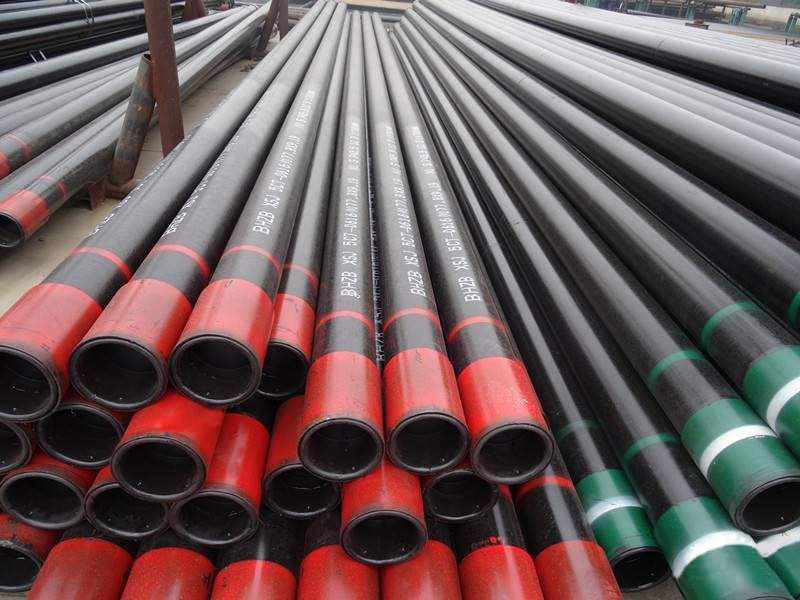
Water is an essential resource, and its distribution plays a crucial role in urban planning, infrastructure development, and environmental sustainability. In this intricate network, **steel line pipes** emerge as a fundamental component, ensuring the safe and efficient transport of water. This article delves into the significance, benefits, and applications of steel line pipes in water distribution systems, providing insights that are vital for engineers, planners, and stakeholders in the construction and plumbing industries.
Table of Contents
1. Introduction to Steel Line Pipes in Water Distribution
2. The Benefits of Using Steel Line Pipes
2.1 Durability and Longevity
2.2 Resistance to Corrosion
2.3 Environmental Sustainability
3. Applications of Steel Line Pipes
3.1 Urban Water Supply Networks
3.2 Industrial Water Systems
3.3 Irrigation and Agricultural Applications
4. Comparison with Other Pipe Materials
4.1 PVC Pipes
4.2 Ductile Iron Pipes
5. Installation and Maintenance Considerations
6. Future Trends in Water Distribution Systems
7. Frequently Asked Questions (FAQs)
8. Conclusion
1. Introduction to Steel Line Pipes in Water Distribution
Steel line pipes have become a cornerstone of modern water distribution systems. Their robust nature and adaptability make them suitable for various applications, ranging from municipal water supply systems to industrial processes. As demand for water increases globally, the need for reliable and resilient infrastructure has never been more critical. Steel pipes offer a solution that meets these demands through their structural integrity and operational efficiency.
2. The Benefits of Using Steel Line Pipes
Choosing the right material for water distribution systems is paramount. Steel line pipes come with a host of advantages that set them apart from other materials.
2.1 Durability and Longevity
Steel line pipes are known for their **exceptional strength**, which allows them to withstand high-pressure environments and heavy loads. They can last for decades, reducing the need for frequent replacements and ultimately saving on costs. This longevity is particularly beneficial in large-scale projects where extensive underground pipe networks are involved.
2.2 Resistance to Corrosion
One of the primary concerns in any water distribution system is corrosion. Steel line pipes, especially those treated with protective coatings, exhibit **high resistance to corrosion**. This characteristic not only extends the life of the pipes but also ensures that the water quality remains uncompromised over time. Advanced coatings and linings, such as epoxy and polyurethane, provide an extra layer of protection against environmental factors.
2.3 Environmental Sustainability
In an era where sustainability is crucial, steel line pipes contribute positively to environmental goals. Their recyclability makes them an eco-friendly choice for water distribution systems. At the end of their life cycle, steel pipes can be **recycled** into new products, minimizing waste and reducing the overall carbon footprint.
3. Applications of Steel Line Pipes
Steel line pipes are versatile and can be utilized in various applications, showcasing their adaptability in different environments.
3.1 Urban Water Supply Networks
In urban areas, the demand for clean and safe drinking water is increasing. Steel line pipes are instrumental in forming the backbone of municipal water supply networks. Their ability to handle high flow rates and pressures ensures that water is delivered efficiently to homes and businesses.
3.2 Industrial Water Systems
Industries require reliable water supply for processing, cooling, and cleaning. Steel line pipes are ideal for such applications due to their robustness and ability to transport large volumes of water safely. They play a critical role in ensuring that industrial processes remain uninterrupted.
3.3 Irrigation and Agricultural Applications
Agriculture relies heavily on effective irrigation systems to maximize yield. Steel line pipes are employed in various irrigation setups, providing farmers with the needed infrastructure to deliver water efficiently to crops. Their durability is particularly beneficial in areas with harsh environmental conditions.
4. Comparison with Other Pipe Materials
When selecting pipe materials for water distribution, it’s essential to understand how steel compares to alternatives.
4.1 PVC Pipes
PVC pipes are lightweight and resistant to corrosion, making them a popular choice for many applications. However, they are less durable than steel pipes and can warp or break under high pressure or extreme temperatures. In contrast, steel line pipes provide superior strength and longevity, making them a better option for high-demand systems.
4.2 Ductile Iron Pipes
Ductile iron pipes offer good strength and flexibility, but they are heavier than steel pipes and can be more expensive. While ductile iron is also resistant to corrosion, it may not match the durability of well-coated steel pipes. The choice between these materials often depends on specific project requirements and budget constraints.
5. Installation and Maintenance Considerations
Proper installation and maintenance are crucial for maximizing the life of steel line pipes. Installation should be performed by qualified professionals to ensure that all standards and regulations are met. Regular inspections and maintenance can identify potential issues before they become significant problems. This proactive approach is vital to ensure the reliability and efficiency of the water distribution system.
6. Future Trends in Water Distribution Systems
As technology and infrastructure evolve, the future of water distribution systems will likely incorporate innovative solutions. Steel line pipes are expected to benefit from advancements in material science, such as the development of more advanced coatings that enhance corrosion resistance. Additionally, smart technology integration will allow for better monitoring and management of water distribution networks, further improving efficiency and sustainability.
7. Frequently Asked Questions (FAQs)
1. What are steel line pipes used for in water distribution?
Steel line pipes are primarily used to transport water in municipal supply systems, industrial applications, and agricultural irrigation.
2. How long do steel line pipes last?
With proper installation and maintenance, steel line pipes can last up to 50 years or more.
3. Are steel line pipes resistant to corrosion?
Yes, steel line pipes can be treated with protective coatings to enhance their resistance to corrosion.
4. How do steel line pipes compare to PVC pipes?
While PVC pipes are lightweight and easy to install, steel line pipes offer superior durability and strength for high-pressure applications.
5. What maintenance is required for steel line pipes?
Regular inspections and maintenance checks, including monitoring for leaks and corrosion, are essential for ensuring the longevity of steel line pipes.
8. Conclusion
In conclusion, steel line pipes play a pivotal role in the functionality and reliability of water distribution systems. Their durability, resistance to corrosion, and sustainability make them an ideal choice for a wide range of applications. As the demand for efficient water distribution continues to grow, the importance of steel line pipes will undoubtedly increase, paving the way for innovative solutions and improved infrastructure for future generations. Investing in steel line pipes is not just a choice; it’s a commitment to quality and sustainability in our water distribution systems.
Key words:

Contact
E-mail:
Add:
Hope New District, Mengcun Hui Autonomous County,
Cangzhou City, Hebei Province


PRODUCT SEARCH
Search And Quickly Find The Products You Need
The main products include oil pipeline pipes, oil casing and various specifications of GB/T8162 structural pipes, GB8/T163 fluid pipes, GB/T3087 low and medium pressure boiler pipes, G/TB5310 high pressure boiler pipes, GB/T6479 fertilizer special pipes, etc.