
Understanding Oil Line Pipes: Essential Components for Efficient Pipeline Systems
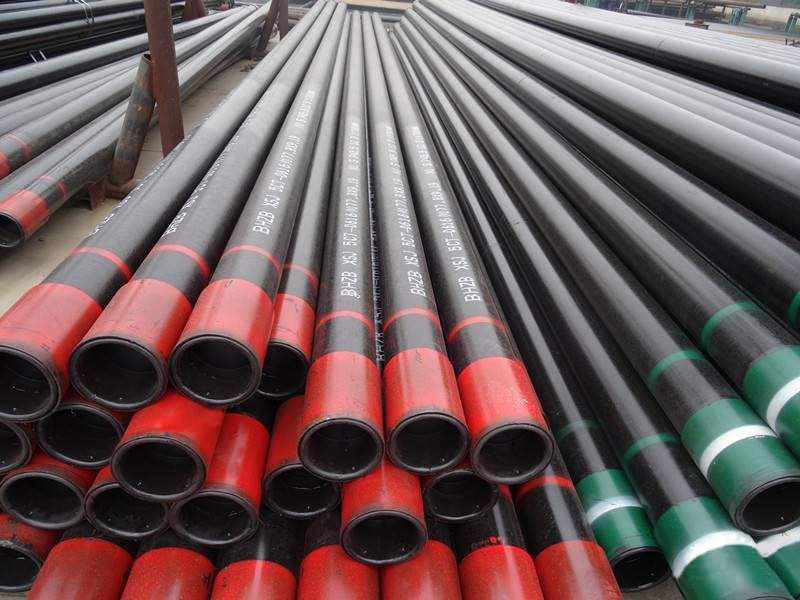
Oil line pipes are specifically designed to convey oil and other petroleum products safely and efficiently. Their construction typically involves materials such as carbon steel, which offers high strength and durability. These pipes are engineered to withstand the pressures and corrosive environments often encountered in oil transportation, making them essential for various applications in industr
Aug 26,2026

Oil line pipes are specifically designed to convey oil and other petroleum products safely and efficiently. Their construction typically involves materials such as carbon steel, which offers high strength and durability. These pipes are engineered to withstand the pressures and corrosive environments often encountered in oil transportation, making them essential for various applications in industrial, commercial, and residential projects.
One of the key features of oil line pipes is their ability to handle high-pressure conditions. When selecting oil line pipes, it is vital to consider the pressure ratings, which are determined by the thickness and material of the pipe. This ensures that the piping system can operate within its designed pressure limits, thus preventing failures that could lead to leaks or ruptures.
In addition to pressure considerations, the thermal properties of oil line pipes are also important. These pipes must be capable of withstanding temperature fluctuations that can occur during the transportation of oil, especially when considering the phase changes of the fluid. Insulation may be necessary in certain applications to maintain a consistent temperature and prevent the oil from solidifying or degrading.
Another critical aspect of oil line pipes is their corrosion resistance. Given the nature of the fluids they transport, pipes must be treated or coated to prevent corrosion that can significantly reduce their lifespan. Techniques such as galvanization or the application of corrosion-resistant coatings are commonly employed to enhance the longevity of these pipes.
When installing oil line pipes, proper alignment and support are paramount. Misalignment can cause undue stress on the joints and fittings, leading to potential leaks. Therefore, utilizing appropriate mounting and support systems is essential for maintaining the integrity of the pipeline.
Furthermore, adherence to industry standards and regulations is crucial in the selection and installation of oil line pipes. These guidelines ensure not only safety but also the efficiency and reliability of the entire pipeline system. Regular inspection and maintenance are also recommended to identify any potential issues before they escalate, ensuring optimal performance over time.
In conclusion, oil line pipes are indispensable in the construction and decoration of pipeline systems, playing a vital role in the effective transport of oil and petroleum products. By understanding their features, applications, and maintenance requirements, professionals can make informed decisions that enhance the safety and efficiency of their projects. As you consider your pipeline system, the selection of high-quality oil line pipes should be a top priority to ensure long-term reliability and performance.
One of the key features of oil line pipes is their ability to handle high-pressure conditions. When selecting oil line pipes, it is vital to consider the pressure ratings, which are determined by the thickness and material of the pipe. This ensures that the piping system can operate within its designed pressure limits, thus preventing failures that could lead to leaks or ruptures.
In addition to pressure considerations, the thermal properties of oil line pipes are also important. These pipes must be capable of withstanding temperature fluctuations that can occur during the transportation of oil, especially when considering the phase changes of the fluid. Insulation may be necessary in certain applications to maintain a consistent temperature and prevent the oil from solidifying or degrading.
Another critical aspect of oil line pipes is their corrosion resistance. Given the nature of the fluids they transport, pipes must be treated or coated to prevent corrosion that can significantly reduce their lifespan. Techniques such as galvanization or the application of corrosion-resistant coatings are commonly employed to enhance the longevity of these pipes.
When installing oil line pipes, proper alignment and support are paramount. Misalignment can cause undue stress on the joints and fittings, leading to potential leaks. Therefore, utilizing appropriate mounting and support systems is essential for maintaining the integrity of the pipeline.
Furthermore, adherence to industry standards and regulations is crucial in the selection and installation of oil line pipes. These guidelines ensure not only safety but also the efficiency and reliability of the entire pipeline system. Regular inspection and maintenance are also recommended to identify any potential issues before they escalate, ensuring optimal performance over time.
In conclusion, oil line pipes are indispensable in the construction and decoration of pipeline systems, playing a vital role in the effective transport of oil and petroleum products. By understanding their features, applications, and maintenance requirements, professionals can make informed decisions that enhance the safety and efficiency of their projects. As you consider your pipeline system, the selection of high-quality oil line pipes should be a top priority to ensure long-term reliability and performance.
Key words:

Contact
E-mail:
Add:
Hope New District, Mengcun Hui Autonomous County,
Cangzhou City, Hebei Province


PRODUCT SEARCH
Search And Quickly Find The Products You Need
The main products include oil pipeline pipes, oil casing and various specifications of GB/T8162 structural pipes, GB8/T163 fluid pipes, GB/T3087 low and medium pressure boiler pipes, G/TB5310 high pressure boiler pipes, GB/T6479 fertilizer special pipes, etc.