
Seamless Pipes vs. Other Types: What’s Best for Your Oil Pipeline?
Understanding the Essential Differences: Seamless Pipes vs. Other Types for Oil Pipelines
When it comes to transporting oil, the choice of piping system plays a pivotal role in ensuring efficiency, safety, and reliability. In this article, we delve deep into the intricacies of seamless pipes versus other types of pipes to determine which option is best suited for your oil pipeline. We will explore
Aug 23,2026

Understanding the Essential Differences: Seamless Pipes vs. Other Types for Oil Pipelines
When it comes to transporting oil, the choice of piping system plays a pivotal role in ensuring efficiency, safety, and reliability. In this article, we delve deep into the intricacies of seamless pipes versus other types of pipes to determine which option is best suited for your oil pipeline. We will explore the characteristics, advantages, and specific applications of each type of pipe, providing you with a thorough understanding to make an informed decision.
Table of Contents
- Introduction to Oil Pipeline Systems
- What Are Seamless Pipes?
- Understanding Other Types of Pipes
- Key Differences Between Seamless and Welded Pipes
- The Advantages of Using Seamless Pipes in Oil Pipelines
- Applications of Seamless and Other Pipe Types in the Oil Industry
- Factors to Consider When Choosing Piping Systems
- Frequently Asked Questions
- Conclusion
Introduction to Oil Pipeline Systems
Oil pipelines are the backbone of the oil and gas industry, facilitating the transportation of crude oil and refined products from extraction points to refineries and distribution centers. The integrity and reliability of the pipeline system are critical, as any failure can lead to severe environmental and economic consequences. Selecting the right type of piping is essential for operational efficiency and safety.
What Are Seamless Pipes?
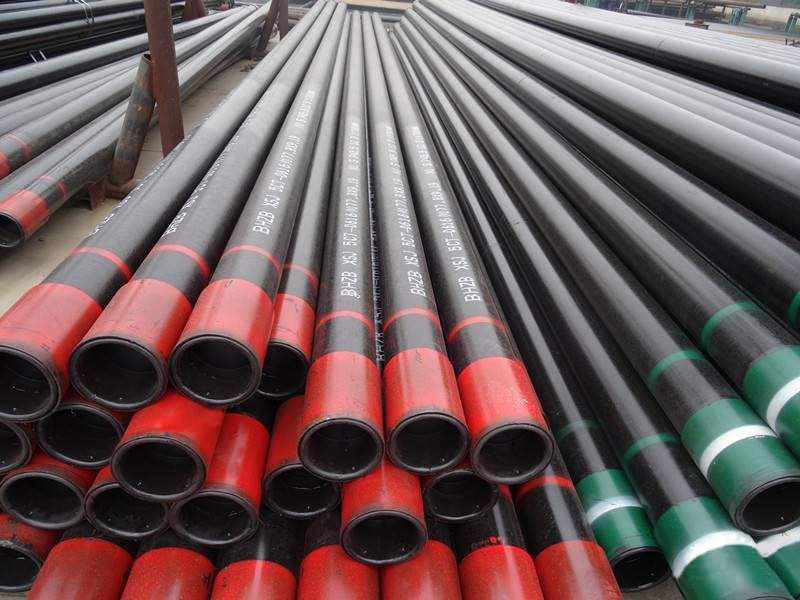
Seamless pipes are manufactured from solid round steel billets, which are heated and then pushed or pulled over a form until they reach the desired diameter and wall thickness. This method creates a pipe that is uniform in strength and has no weld seams, making it a preferred choice for high-pressure applications.
Characteristics of Seamless Pipes
- **High Strength and Durability:** Seamless pipes exhibit superior strength due to the absence of welds, which are potential weak points.
- **Smooth Interior Surface:** The manufacturing process leads to a smooth internal surface, reducing friction and enhancing flow efficiency.
- **Resistance to Corrosion:** Many seamless pipes come with additional coatings or treatments that improve corrosion resistance, making them suitable for harsh environments.
Understanding Other Types of Pipes
Besides seamless pipes, there are various other types of pipes used in oil pipelines, including:
- **Welded Pipes:** These pipes are produced by welding together flat plates or strips and are often used in lower-pressure applications.
- **Spiral Welded Pipes:** A type of welded pipe created by winding a strip of metal into a spiral shape, suitable for certain structural applications.
- **ERW (Electric Resistance Welded) Pipes:** Made by rolling and welding steel sheets together, typically used in lower-pressure situations.
Characteristics of Other Pipe Types
- **Cost-Effectiveness:** Welded pipes are generally less expensive to produce and can be a viable option for non-critical applications.
- **Customizability:** Welded and ERW pipes can be customized to different lengths and diameters more easily than seamless options.
Key Differences Between Seamless and Welded Pipes
Understanding the fundamental differences between seamless and welded pipes can directly influence your decision-making process.
1. Manufacturing Process
Seamless pipes undergo a more complex manufacturing process compared to welded pipes, leading to higher production costs but enhanced reliability.
2. Pressure Ratings
Seamless pipes can usually handle higher pressure ratings, making them suitable for high-stress environments.
3. Risk of Failure
The risk of failure in welded pipes is higher due to potential defects in the welds, whereas seamless pipes maintain structural integrity throughout.
The Advantages of Using Seamless Pipes in Oil Pipelines
When considering the best option for oil pipelines, seamless pipes offer several significant advantages:
Enhanced Safety Standards
The absence of welds in seamless pipes means fewer points of failure, which is crucial in preventing leaks and ruptures, thereby enhancing safety.
Longer Lifespan
Seamless pipes generally have a longer lifespan compared to welded pipes due to their resistance to corrosion and wear.
Improved Flow Efficiency
With a smooth interior surface, seamless pipes facilitate better fluid flow, minimizing pressure drops and enhancing overall efficiency.
Versatile Applications
Seamless pipes are adaptable to various applications within the oil industry, from upstream exploration to downstream distribution.
Applications of Seamless and Other Pipe Types in the Oil Industry
The choice of piping material can significantly impact the overall efficiency and safety of oil transportation.
Common Applications for Seamless Pipes
- **High-Pressure Oil Transport:** Used in deep-sea drilling and transportation applications where high pressure is common.
- **Refinery Processes:** Ideal for transporting crude oil and petroleum products within refineries.
Applications for Other Pipe Types
- **Lower Pressure Systems:** Welded pipes may be utilized in lower pressure applications, such as gathering lines and non-critical areas.
- **Distribution Pipelines:** ERW pipes can be effective in transporting refined products over shorter distances.
Factors to Consider When Choosing Piping Systems
Selecting the right piping system for your oil pipeline involves several considerations:
1. Pressure Requirements
Evaluate the pressure requirements of your application to determine whether seamless or welded pipes are more suitable.
2. Environmental Conditions
Consider the environmental conditions, including temperature and exposure to corrosive substances, which may influence the choice of materials.
3. Cost vs. Benefit Analysis
Conduct a thorough cost-benefit analysis to determine if the long-term benefits of seamless pipes outweigh the initial investment.
4. Regulatory Compliance
Ensure that your chosen piping system meets all industry regulations and standards for safety and environmental impact.
Frequently Asked Questions
What is the primary difference between seamless and welded pipes?
The primary difference lies in the manufacturing process; seamless pipes are made from solid billets while welded pipes are created by joining flat sheets.
Are seamless pipes more expensive than welded pipes?
Yes, seamless pipes usually cost more due to the complex manufacturing process but offer greater durability and strength.
Can seamless pipes be used for low-pressure applications?
While seamless pipes can be used in low-pressure applications, they are primarily designed for high-pressure situations, where their advantages are most significant.
What are the common materials used for seamless pipes?
Seamless pipes are typically made from carbon steel, alloy steel, and stainless steel, chosen based on the specific application requirements.
How do I determine the right pipe for my oil pipeline project?
Consider factors such as pressure requirements, environmental conditions, and cost-effectiveness when making your selection.
Conclusion
Choosing the right piping system for your oil pipeline is a critical decision that can significantly impact operational efficiency and safety. While seamless pipes offer numerous advantages such as strength, durability, and improved flow, other types of pipes may also have their place in non-critical applications. By understanding the characteristics, advantages, and specific applications of seamless and other pipe types, you can make an informed decision that aligns with your project needs and complies with industry standards. As the oil and gas industry continues to evolve, staying informed about the latest advancements in piping technology will ensure you are well-equipped to make the best choices for your oil pipeline systems.
Key words:


Contact
E-mail:
Add:
Hope New District, Mengcun Hui Autonomous County,
Cangzhou City, Hebei Province


PRODUCT SEARCH
Search And Quickly Find The Products You Need
The main products include oil pipeline pipes, oil casing and various specifications of GB/T8162 structural pipes, GB8/T163 fluid pipes, GB/T3087 low and medium pressure boiler pipes, G/TB5310 high pressure boiler pipes, GB/T6479 fertilizer special pipes, etc.