
Understanding Steel Line Pipe: Essential Insights for the Construction Industry
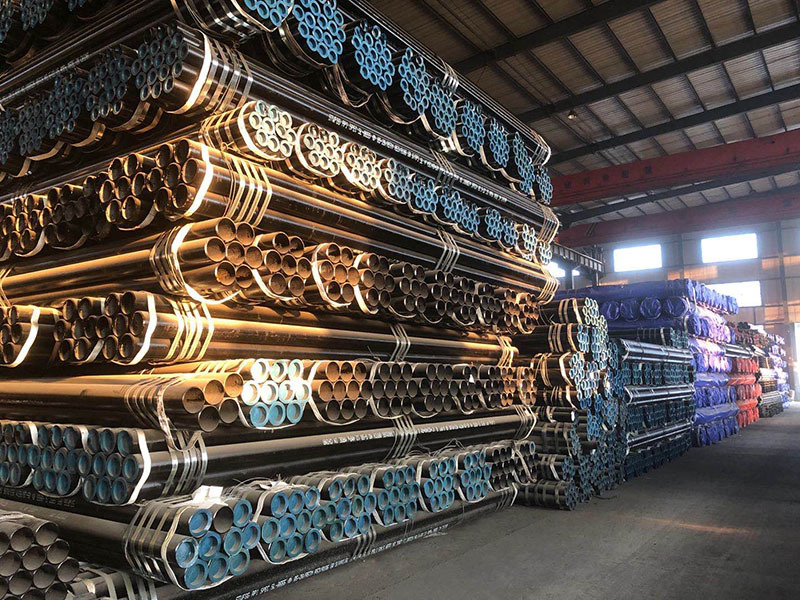
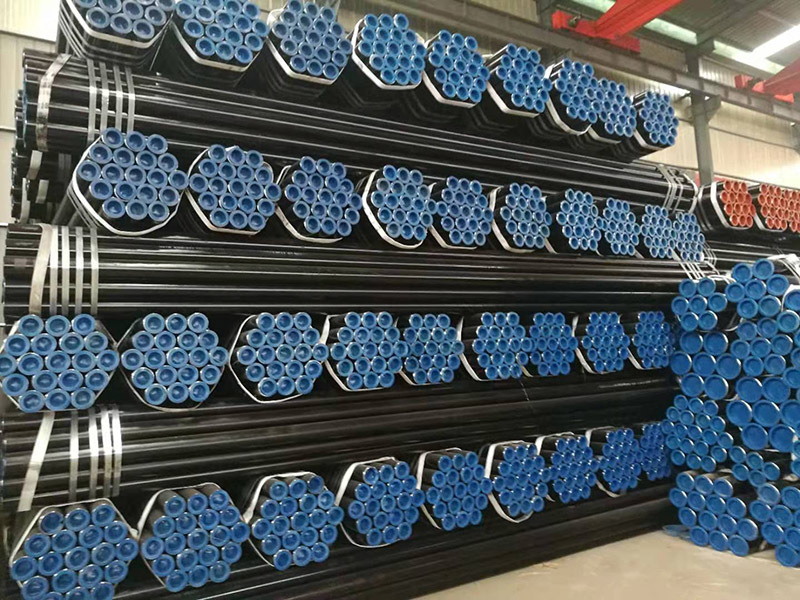
Steel line pipes play a crucial role in various applications within the construction and decorative materials sector, particularly in pipeline systems. These pipes are fabricated from high-quality steel, making them ideal for transporting liquids and gases over long distances. Their strength, durability, and resistance to environmental factors make them a preferred choice for numerous projects.
On
Aug 14,2026

Steel line pipes play a crucial role in various applications within the construction and decorative materials sector, particularly in pipeline systems. These pipes are fabricated from high-quality steel, making them ideal for transporting liquids and gases over long distances. Their strength, durability, and resistance to environmental factors make them a preferred choice for numerous projects.
One of the primary advantages of steel line pipes is their ability to withstand high pressure, which is essential for applications involving the transportation of fluids such as water, oil, and natural gas. The pipe's structural integrity ensures that it can handle the stress and strain of these demanding environments, reducing the risk of leaks or failures that can lead to costly downtime and repairs.
Another significant benefit is the longevity of steel line pipes. When properly coated and maintained, these pipes can last several decades, making them a cost-effective option over time. This durability translates to lower replacement costs and minimizes the environmental impact associated with frequent pipe replacements.
In terms of installation, steel line pipes are relatively straightforward to work with. They can be welded or joined using various methods, providing flexibility in design and application. This adaptability allows for efficient installation in both new constructions and retrofitting projects.
When considering steel line pipes for your project, it's essential to account for several factors. First, assess the specific requirements of your application, including pressure ratings, temperature ranges, and the type of fluid being transported. Different grades of steel may be required based on these criteria, so consulting with a materials engineer can provide valuable insights into the best options for your needs.
Furthermore, regulatory compliance and industry standards must be adhered to when selecting steel line pipes. Familiarizing yourself with local codes and regulations will ensure that your project meets safety and quality standards, ultimately protecting both the integrity of the pipeline and the safety of individuals involved.
Lastly, proper maintenance routines should be established for steel line pipes to maximize their lifespan. Regular inspections can help identify potential issues before they escalate, ensuring that the pipes remain in optimal condition throughout their service life.
In conclusion, understanding steel line pipes and their applications is essential for professionals in the construction and decorative materials industry. Their strength, durability, and versatility make them an excellent choice for a wide range of projects. By considering the specific needs of your application and maintaining compliance with industry standards, you can effectively leverage steel line pipes to enhance your project's success.
One of the primary advantages of steel line pipes is their ability to withstand high pressure, which is essential for applications involving the transportation of fluids such as water, oil, and natural gas. The pipe's structural integrity ensures that it can handle the stress and strain of these demanding environments, reducing the risk of leaks or failures that can lead to costly downtime and repairs.
Another significant benefit is the longevity of steel line pipes. When properly coated and maintained, these pipes can last several decades, making them a cost-effective option over time. This durability translates to lower replacement costs and minimizes the environmental impact associated with frequent pipe replacements.
In terms of installation, steel line pipes are relatively straightforward to work with. They can be welded or joined using various methods, providing flexibility in design and application. This adaptability allows for efficient installation in both new constructions and retrofitting projects.
When considering steel line pipes for your project, it's essential to account for several factors. First, assess the specific requirements of your application, including pressure ratings, temperature ranges, and the type of fluid being transported. Different grades of steel may be required based on these criteria, so consulting with a materials engineer can provide valuable insights into the best options for your needs.
Furthermore, regulatory compliance and industry standards must be adhered to when selecting steel line pipes. Familiarizing yourself with local codes and regulations will ensure that your project meets safety and quality standards, ultimately protecting both the integrity of the pipeline and the safety of individuals involved.
Lastly, proper maintenance routines should be established for steel line pipes to maximize their lifespan. Regular inspections can help identify potential issues before they escalate, ensuring that the pipes remain in optimal condition throughout their service life.
In conclusion, understanding steel line pipes and their applications is essential for professionals in the construction and decorative materials industry. Their strength, durability, and versatility make them an excellent choice for a wide range of projects. By considering the specific needs of your application and maintaining compliance with industry standards, you can effectively leverage steel line pipes to enhance your project's success.
Key words:

Contact
E-mail:
Add:
Hope New District, Mengcun Hui Autonomous County,
Cangzhou City, Hebei Province


PRODUCT SEARCH
Search And Quickly Find The Products You Need
The main products include oil pipeline pipes, oil casing and various specifications of GB/T8162 structural pipes, GB8/T163 fluid pipes, GB/T3087 low and medium pressure boiler pipes, G/TB5310 high pressure boiler pipes, GB/T6479 fertilizer special pipes, etc.