
The Impact of Oil Tubing Pipe Quality on Project Success
The Impact of Oil Tubing Pipe Quality on Project Success
Introduction to Oil Tubing Pipes and Their Importance
In the dynamic world of construction and decoration materials, **oil tubing pipes** play a pivotal role in ensuring the efficiency and safety of various projects. These pipes are fundamental components in the oil and gas industry, providing the necessary infrastructure for transporting cr
Aug 17,2026
The Impact of Oil Tubing Pipe Quality on Project Success
Introduction to Oil Tubing Pipes and Their Importance
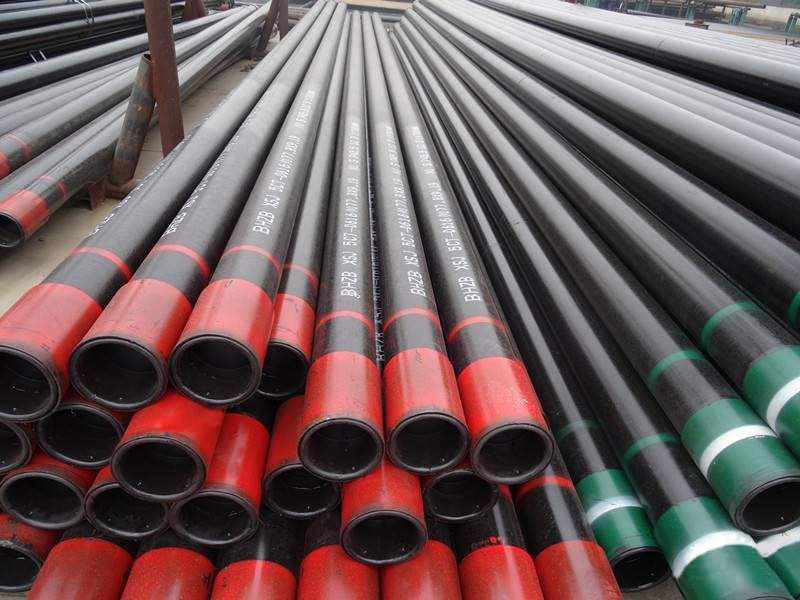
In the dynamic world of construction and decoration materials, **oil tubing pipes** play a pivotal role in ensuring the efficiency and safety of various projects. These pipes are fundamental components in the oil and gas industry, providing the necessary infrastructure for transporting crude oil and natural gas. Their quality can significantly impact not only the operational efficiency of a project but also its overall success.
Understanding Oil Tubing Pipes
What Are Oil Tubing Pipes?
Oil tubing pipes are specialized pipes designed to transport oil and gas from the ground to processing facilities. They must withstand high pressures and corrosive substances, making their material quality and structural integrity crucial.
Types of Oil Tubing Pipes
There are several types of oil tubing pipes available in the market, each designed for specific applications. The most common types include:
- **Seamless Steel Tubing**: Known for its high strength, this type lacks seams, making it less prone to leakage.
- **Welded Steel Tubing**: While more affordable, welded pipes can be vulnerable to weaknesses at the seams.
- **Composite Tubing**: These pipes combine different materials to enhance corrosion resistance and reduce weight.
Understanding these types helps in selecting the right pipes for your project needs.
The Role of Quality in Oil Tubing Pipes
Importance of Quality in Project Execution
Quality in oil tubing pipes directly affects project execution in multiple ways:
- **Durability and Longevity**: High-quality pipes can endure harsh environmental conditions, reducing the need for frequent replacements.
- **Operational Efficiency**: Quality pipes minimize the risk of leaks and failures, ensuring smooth operation.
- **Safety Standards Compliance**: Using quality materials helps in adhering to safety regulations, reducing accident risks.
Factors Affecting Oil Tubing Pipe Quality
Several factors define the quality of oil tubing pipes, including:
- **Material Composition**: The type of steel or composite used impacts strength and corrosion resistance.
- **Manufacturing Processes**: Advanced manufacturing techniques ensure uniformity and reduce defects.
- **Quality Control Measures**: Rigorous testing and quality assurance practices ensure that pipes meet industry standards.
Impact on Project Success
Cost Implications of Quality Choices
Investing in high-quality oil tubing pipes may entail higher initial costs, but the long-term benefits often outweigh these expenses. Quality pipes:
- Reduce maintenance costs associated with repairs and replacements.
- Improve project timelines by minimizing delays due to failures or leaks.
Case Studies: Successful Projects with Quality Pipes
Numerous projects have demonstrated how high-quality oil tubing pipes contribute to success. For example, a major oil drilling company experienced a **30% reduction in operational downtime** after switching to seamless steel tubing, highlighting the importance of selecting the right materials.
The Long-Term Benefits of Choosing Quality Oil Tubing Pipes
Enhanced Performance and Efficiency
Quality oil tubing pipes improve the overall performance of oil transport systems. They facilitate:
- Higher flow rates, leading to increased productivity.
- Better resistance to corrosion, which ensures longevity and reliability.
Environmental Considerations
Using quality pipes reduces the likelihood of leaks, which can cause severe environmental damage. Companies that prioritize high-quality materials demonstrate a commitment to sustainability.
How to Choose the Right Oil Tubing Pipes for Your Project
Assessing Project Requirements
Evaluating the specific needs of your project is critical. Consider:
- The type of oil or gas being transported.
- Environmental conditions, including temperature and pressure.
Evaluating Suppliers and Manufacturers
When selecting oil tubing pipes, it’s essential to choose reliable suppliers. Look for:
- Proven track records in producing high-quality products.
- Certifications from industry standards organizations.
Understanding Industry Standards and Certifications
Familiarize yourself with industry regulations and certifications, such as API (American Petroleum Institute) and ISO standards. These certifications ensure that the pipes meet specific quality benchmarks.
Common FAQs About Oil Tubing Pipe Quality and Project Success
1. What are the main factors affecting oil tubing pipe quality?
The primary factors include material composition, manufacturing processes, and quality control measures.
2. How does poor-quality tubing pipes affect project success?
Using poor-quality pipes can lead to increased maintenance costs, project delays, and safety hazards.
3. What types of oil tubing pipes are best for high-pressure environments?
Seamless steel tubing is generally preferred for high-pressure applications due to its strength and durability.
4. How can I ensure the oil tubing pipes I purchase are of high quality?
Choose reputable suppliers with industry certifications, and request product testing documentation.
5. Are there long-term savings associated with using quality oil tubing pipes?
Yes, while the initial investment may be higher, quality pipes reduce maintenance and operational costs over time.
Conclusion
The **quality of oil tubing pipes** is paramount to the success of construction and decoration materials projects in the oil and gas sector. Selecting high-quality pipes enhances durability, efficiency, and safety, ultimately leading to improved project outcomes and reduced costs. By understanding the factors that affect pipe quality and making informed choices, project managers can significantly boost the likelihood of success. Investing in quality oil tubing pipes is not merely a cost—it's a strategic decision that yields substantial long-term benefits.
Key words:

Contact
E-mail:
Add:
Hope New District, Mengcun Hui Autonomous County,
Cangzhou City, Hebei Province


PRODUCT SEARCH
Search And Quickly Find The Products You Need
The main products include oil pipeline pipes, oil casing and various specifications of GB/T8162 structural pipes, GB8/T163 fluid pipes, GB/T3087 low and medium pressure boiler pipes, G/TB5310 high pressure boiler pipes, GB/T6479 fertilizer special pipes, etc.