
Integrating Oil Line Pipe into Your Project Design: A Comprehensive Guide for Optimal Efficiency
Integrating Oil Line Pipe into Your Project Design: A Comprehensive Guide for Optimal Efficiency
Table of Contents
1. Understanding Oil Line Pipes
2. Importance of Proper Integration
3. Design Considerations for Oil Line Pipes
4. Materials Used in Oil Line Piping
5. Installation Best Practices
6. Maintenance and Inspection
7. Safety Standards and Regulations
8. Future Trends i
Oct 10,2026
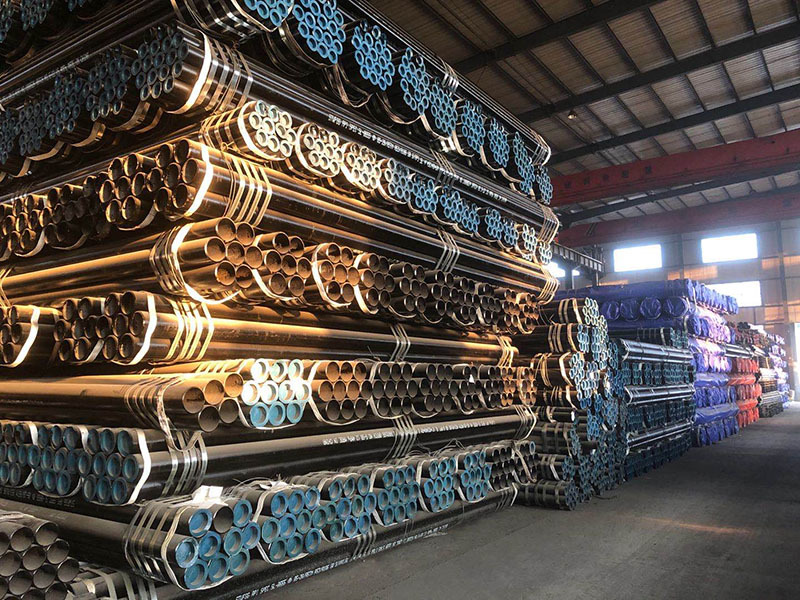
Integrating Oil Line Pipe into Your Project Design: A Comprehensive Guide for Optimal Efficiency
Table of Contents
- 1. Understanding Oil Line Pipes
- 2. Importance of Proper Integration
- 3. Design Considerations for Oil Line Pipes
- 4. Materials Used in Oil Line Piping
- 5. Installation Best Practices
- 6. Maintenance and Inspection
- 7. Safety Standards and Regulations
- 8. Future Trends in Oil Line Pipe Design
- 9. Frequently Asked Questions
- 10. Conclusion
1. Understanding Oil Line Pipes
Oil line pipes play a critical role in various industrial applications, particularly in the transportation of crude oil, refined products, and other petroleum substances. Understanding the components and functionalities of these pipes is essential for effective project design.
Oil line pipes are typically made from high-quality steel or composite materials, engineered to withstand high pressures and resist corrosion. Their design may vary depending on the specific application, but they generally comprise seamless or welded sections that connect various components of the oil transport system.
The primary functions of oil line pipes include:
- Transporting oil from extraction points to refineries.
- Delivering refined products to distribution points.
- Facilitating the flow of oil within processing plants.
2. Importance of Proper Integration
Proper integration of oil line pipes into your project design significantly impacts the overall efficiency, safety, and cost-effectiveness of your operations. Here’s why:
- **Efficiency**: Seamless integration minimizes the risk of leaks and blockages, ensuring a smooth flow of materials.
- **Safety**: Properly designed systems reduce the likelihood of hazardous spills and environmental contamination.
- **Cost Savings**: Investing in high-quality materials and adequate design can prevent costly repairs and downtime.
Understanding the implications of integration is crucial for project managers, engineers, and stakeholders involved in the oil and gas sector.
3. Design Considerations for Oil Line Pipes
When designing the oil line pipe system, several key considerations must be addressed:
3.1 System Layout
The layout of the piping system should facilitate efficient flow and accessibility for maintenance. Consider factors such as:
- **Distance**: Minimize the length of the pipes to reduce friction losses.
- **Elevation**: Utilize gravity where possible to enhance flow efficiency.
- **Bends and Turns**: Limit the number of bends to reduce flow resistance.
3.2 Pipe Sizing
Correctly sizing the pipes is critical for maintaining optimal flow rates. Factors to consider include:
- **Flow Rate**: Calculate the expected flow rate to determine the appropriate diameter of the pipes.
- **Pressure Drop**: Ensure the sizing accounts for acceptable pressure drop levels.
3.3 Environmental Conditions
Environmental factors can influence the design and materials chosen for oil line pipes. This includes:
- **Temperature Fluctuations**: Select materials that can withstand extreme temperatures.
- **Corrosive Substances**: Choose corrosion-resistant materials if the oil contains aggressive compounds.
4. Materials Used in Oil Line Piping
Selecting the right materials for oil line pipes is pivotal for the longevity and efficiency of your system. The most common materials include:
4.1 Carbon Steel
Carbon steel is widely used due to its strength, affordability, and ease of manufacturing. However, it may require protective coatings to prevent corrosion.
4.2 Stainless Steel
Stainless steel offers enhanced corrosion resistance and durability, making it suitable for harsh environments. It is more expensive than carbon steel but can provide long-term savings through reduced maintenance costs.
4.3 Composite Materials
Composite materials, such as fiberglass-reinforced plastics, are gaining popularity due to their lightweight nature and corrosion resistance. They are ideal for applications requiring lower weight and increased flexibility.
5. Installation Best Practices
Proper installation of oil line pipes is essential for ensuring system reliability and safety. Follow these best practices:
5.1 Professional Installation
Always engage qualified professionals for the installation process. Expertise in welding, piping design, and safety standards is crucial.
5.2 Quality Control
Implement a stringent quality control process during installation to identify and rectify potential issues early. This includes:
- Inspecting welds and joints for integrity.
- Ensuring proper alignment and support of pipes.
5.3 Testing and Commissioning
Conduct thorough testing of the entire piping system before commissioning. This should include:
- Pressure testing to identify leaks.
- Flow tests to ensure the system operates within design specifications.
6. Maintenance and Inspection
Regular maintenance and inspection of oil line pipes are vital for preventing failures and ensuring continuous operation.
6.1 Scheduled Inspections
Establish a routine inspection schedule to monitor the condition of the piping system. Inspections should focus on:
- Identifying signs of corrosion or wear.
- Ensuring fittings and joints are secure.
6.2 Maintenance Protocols
Develop a maintenance protocol that includes:
- Cleaning procedures to remove debris and buildup.
- Replacement schedules for worn-out components.
7. Safety Standards and Regulations
Adhering to safety standards and regulations is crucial for the safe operation of oil line pipes. Familiarize yourself with:
7.1 Industry Standards
Refer to standards set by organizations such as:
- The American Petroleum Institute (API)
- International Organization for Standardization (ISO)
7.2 Local Regulations
Each region may have specific regulations governing the installation and operation of oil line pipes. Ensure compliance to avoid legal issues and fines.
8. Future Trends in Oil Line Pipe Design
The industry is evolving, and several trends are shaping the future of oil line pipe design:
8.1 Smart Pipeline Technology
The integration of smart technology into pipeline systems allows for real-time monitoring and data collection, enhancing safety and efficiency.
8.2 Sustainability Practices
As environmental concerns grow, there is a push towards sustainable practices, including the use of eco-friendly materials and energy-efficient designs.
9. Frequently Asked Questions
9.1 What are the primary functions of oil line pipes?
Oil line pipes are designed to transport crude oil and refined products from extraction points to refineries and distribution centers, ensuring a continuous flow of materials.
9.2 What materials are best for oil line pipes?
The best materials depend on the specific application but commonly used options include carbon steel, stainless steel, and composite materials, each with its advantages and disadvantages.
9.3 How often should oil line pipes be inspected?
Regular inspections are recommended, typically on a quarterly or bi-annual basis, depending on environmental conditions and usage.
9.4 What are the key safety standards for oil line pipes?
Key safety standards include those set by the American Petroleum Institute (API) and local regulations that govern pipeline installation and operation.
9.5 What are the common causes of oil line pipe failures?
Common causes include corrosion, improper installation, mechanical damage, and inadequate maintenance.
10. Conclusion
Integrating oil line pipes into your project design is a complex but essential task that requires careful consideration of materials, installation practices, and ongoing maintenance. By understanding the fundamentals of oil line piping systems and adhering to best practices, organizations can achieve optimal efficiency, safety, and compliance with industry standards. The future of oil line pipe design will undoubtedly evolve alongside technological advancements, reinforcing the importance of staying informed and proactive in your project planning.
Key words:

Contact
E-mail:
Add:
Hope New District, Mengcun Hui Autonomous County,
Cangzhou City, Hebei Province


PRODUCT SEARCH
Search And Quickly Find The Products You Need
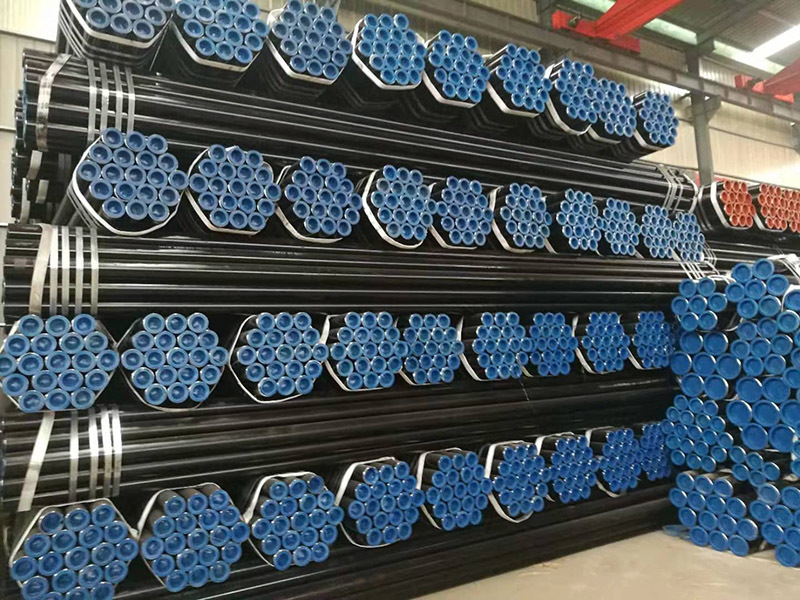
The main products include oil pipeline pipes, oil casing and various specifications of GB/T8162 structural pipes, GB8/T163 fluid pipes, GB/T3087 low and medium pressure boiler pipes, G/TB5310 high pressure boiler pipes, GB/T6479 fertilizer special pipes, etc.