
Maximizing Efficiency with Oil Line Pipe Systems: A Comprehensive Guide
How to Maximize Efficiency with Oil Line Pipe Systems
Introduction to Oil Line Pipe Systems
In the world of oil transportation, the efficiency of **oil line pipe systems** is critical. These systems play a vital role in ensuring that oil is transported safely and effectively from extraction sites to processing facilities. Maximizing the efficiency of these systems not only enhances productivity bu
Aug 11,2026
How to Maximize Efficiency with Oil Line Pipe Systems
Introduction to Oil Line Pipe Systems
In the world of oil transportation, the efficiency of **oil line pipe systems** is critical. These systems play a vital role in ensuring that oil is transported safely and effectively from extraction sites to processing facilities. Maximizing the efficiency of these systems not only enhances productivity but also reduces operational costs and environmental impact.
In this comprehensive guide, we will explore various aspects of oil line pipe systems, including their design, installation, maintenance, and the latest technologies that can help optimize their performance.
Understanding the Components of Oil Line Pipe Systems
Key Components of Oil Line Pipe Systems
Oil line pipe systems consist of several crucial components, each contributing to the overall efficiency. The following are the primary elements:
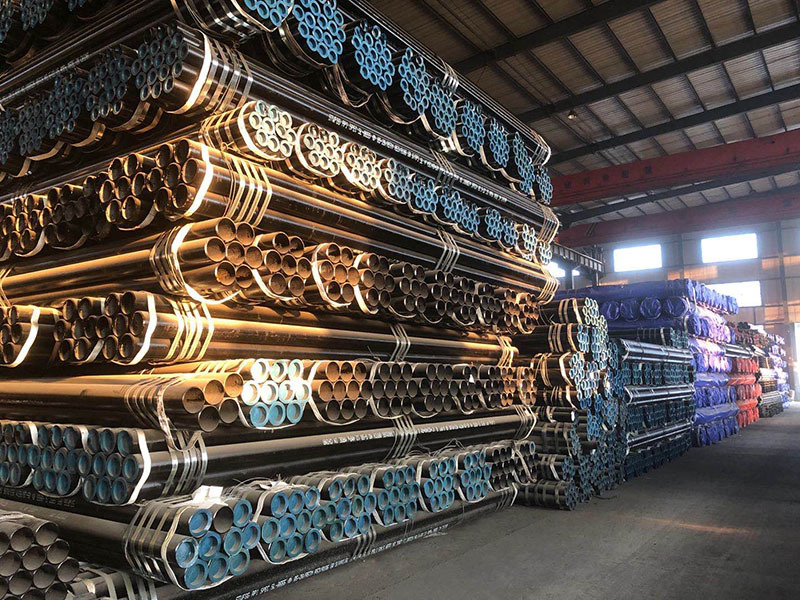
1. **Pipes**: The primary conduits for transporting oil, these can be made from various materials, including steel and plastic, depending on the application.
2. **Fittings**: Essential for connecting pipes, fittings must be appropriately selected based on the system requirements to prevent leaks and ensure structural integrity.
3. **Valves**: Control the flow of oil through the system, allowing for efficient management of pressure and direction.
4. **Pumps**: Provide the necessary pressure to move oil through the pipes, critical for maintaining flow rates.
5. **Supports and Anchors**: Ensure the stability and alignment of the pipe system, preventing sagging and reducing stress on joints.
Importance of Material Selection
Choosing the right materials is paramount. The material must withstand the operating conditions, including pressure, temperature, and chemical exposure. Factors such as corrosion resistance, strength, and flexibility should be considered when selecting materials for pipes and fittings.
Designing an Efficient Oil Line Pipe System
Optimal Layout and Configuration
The layout of an oil line pipe system significantly affects its efficiency. A well-thought-out design minimizes bends and turns, reducing pressure drops and potential leak points.
1. **Straight Runs**: Aim for long, straight runs of piping wherever possible to reduce turbulence and friction.
2. **Minimized Bends**: Each bend in the piping system can create resistance. Use gradual bends and avoid sharp angles to enhance flow.
3. **Proper Sizing**: Ensure pipes are adequately sized to accommodate the expected flow rates. Oversized pipes can lead to increased pressure losses, while undersized pipes may restrict flow.
Incorporating Technology in Design
Advancements in technology have led to innovative solutions for designing efficient oil line pipe systems. Computer-aided design (CAD) software can simulate flow dynamics and help identify potential issues before installation.
Installation Best Practices for Oil Line Pipe Systems
Site Preparation and Inspection
Before installation begins, a thorough site inspection is crucial. This includes evaluating soil conditions, existing infrastructure, and environmental factors that could impact the system.
1. **Trenching**: Ensure trenches are appropriately sized and stable to support the pipes and prevent settling.
2. **Environmental Considerations**: Assess potential environmental impacts and comply with local regulations to minimize ecological disruption.
Proper Installation Techniques
The quality of installation directly influences the operational efficiency of oil line pipe systems. Adhere to the following best practices:
- **Joint Integrity**: Ensure that all connections are secure and leak-proof. Use appropriate sealing methods, such as welding or specialized adhesives.
- **Alignment and Support**: Maintain proper alignment during installation to prevent stress on joints and fittings. Install supports and anchors according to specifications.
- **Testing and Commissioning**: Conduct pressure testing post-installation to identify leaks or weaknesses in the system.
Maintenance Strategies for Oil Line Pipe Systems
Routine Inspections and Monitoring
Regular maintenance is essential for maximizing the lifespan and efficiency of oil line pipe systems. Establish a routine inspection schedule to identify potential issues before they escalate.
1. **Visual Inspections**: Look for signs of corrosion, leaks, and wear. Early detection is vital for preventing costly repairs.
2. **Monitoring Systems**: Implement monitoring technologies to track pressure, flow rates, and temperature. Automated alerts can help detect anomalies quickly.
Cleaning and Maintenance Procedures
Over time, deposits can accumulate within the pipes, leading to restricted flow. Regular cleaning is necessary to maintain optimal performance.
- **Pigging**: Use pipeline pigs to remove debris and buildup within the pipes. This method is effective for maintaining flow efficiency.
- **Chemical Cleaning**: In cases of severe buildup, chemical cleaning solutions can be used to dissolve deposits without damaging the pipes.
Innovative Technologies for Efficiency Enhancement
Smart Sensors and IoT Integration
The integration of smart sensors and the Internet of Things (IoT) in oil line pipe systems presents a significant opportunity for enhancing efficiency.
1. **Real-Time Data**: These technologies provide real-time data on system performance, enabling quicker response times for any issues that arise.
2. **Predictive Maintenance**: By analyzing data trends, companies can predict when maintenance is needed, thus reducing downtime and extending the lifespan of the system.
Advanced Materials and Coatings
Research into advanced materials and coatings has led to significant improvements in the durability and efficiency of oil line pipe systems.
- **Corrosion-Resistant Coatings**: Applying protective coatings can extend the life of pipes and reduce maintenance costs.
- **Composite Materials**: These lightweight, high-strength materials can improve efficiency while reducing the overall weight of the pipeline systems.
Environmental Considerations for Oil Line Pipe Systems
Reducing Environmental Impact
Maximizing efficiency in oil line pipe systems goes hand in hand with minimizing their environmental footprint.
1. **Leak Detection Technologies**: Implementing advanced leak detection systems can help identify and mitigate spills quickly.
2. **Sustainable Practices**: Adopt sustainable practices during installation and maintenance to minimize ecological disruption.
Regulatory Compliance
Adhering to local and national regulations is critical for operating oil line pipe systems. Ensure compliance with environmental standards to avoid fines and enhance operational efficiency.
Conclusion
Maximizing efficiency in oil line pipe systems is a multifaceted approach that encompasses design, installation, maintenance, and the integration of innovative technologies. By focusing on each aspect, companies can enhance productivity, reduce costs, and minimize their environmental impact. As the oil and gas industry continues to evolve, staying informed and adaptable will be key to maintaining a competitive edge.
FAQs
1. What are the most common materials used in oil line pipe systems?
The most common materials include steel, polyethylene, and PVC, each selected based on the specific requirements of the application.
2. How often should oil line pipe systems be inspected?
Routine inspections are recommended at least once a year, with more frequent checks during high-demand periods or adverse weather conditions.
3. What is the purpose of pigging in oil line pipe systems?
Pigging is used to clean pipes and remove debris, ensuring that oil flows efficiently without restrictions.
4. How can technology improve the efficiency of oil line pipe systems?
Smart sensors and IoT integration allow for real-time monitoring and predictive maintenance, identifying potential issues before they affect operations.
5. What steps can be taken to reduce environmental impact during installation?
Conduct thorough site assessments, use eco-friendly materials, and implement leak detection technologies to minimize ecological disruption during installation.
Key words:

Contact
E-mail:
Add:
Hope New District, Mengcun Hui Autonomous County,
Cangzhou City, Hebei Province


PRODUCT SEARCH
Search And Quickly Find The Products You Need
The main products include oil pipeline pipes, oil casing and various specifications of GB/T8162 structural pipes, GB8/T163 fluid pipes, GB/T3087 low and medium pressure boiler pipes, G/TB5310 high pressure boiler pipes, GB/T6479 fertilizer special pipes, etc.