
The Essential Guide to Oil Pipeline Seamless Pipes: Understanding Applications and Benefits
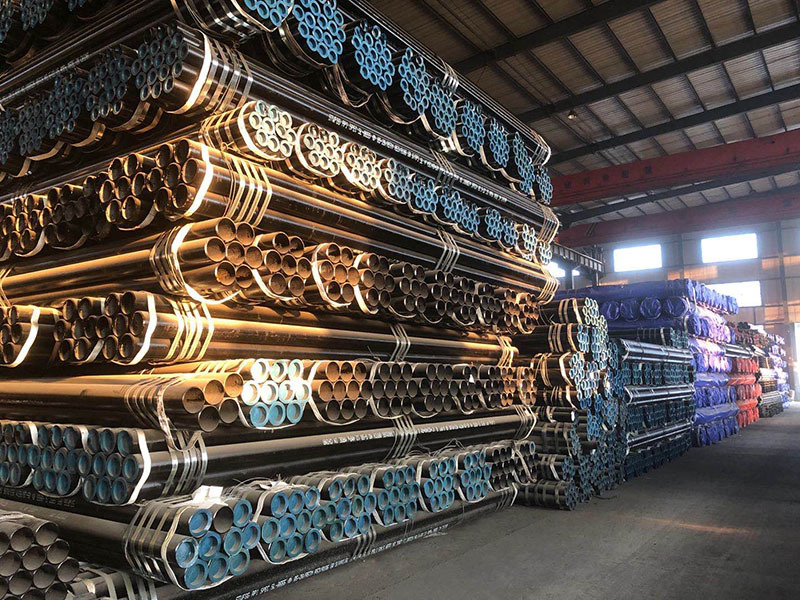
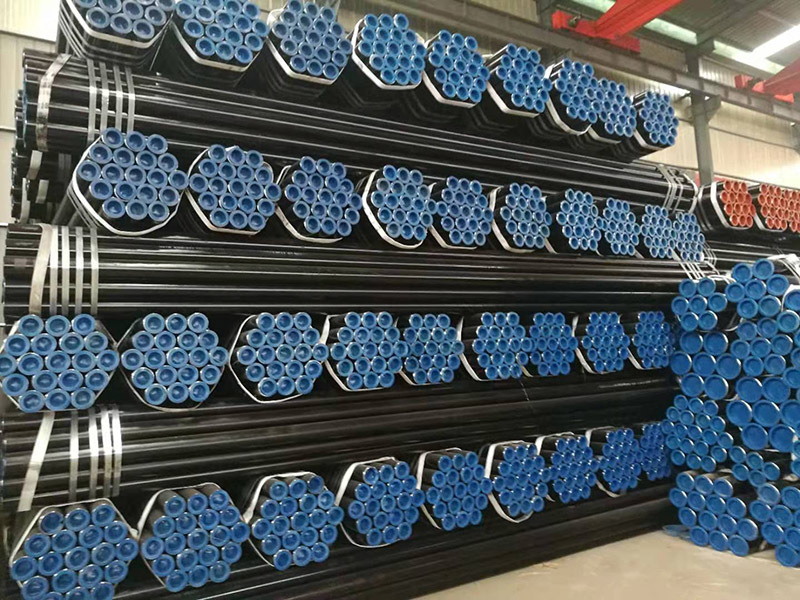
Oil pipeline seamless pipes are a crucial element in the construction and decoration materials sector, particularly within pipeline systems. These pipes are manufactured using a process that involves heating solid billets and then piercing them to create a hollow tube without any seams or joints. This method provides several advantages over traditional welded pipes, making seamless pipes preferabl
Aug 08,2026

Oil pipeline seamless pipes are a crucial element in the construction and decoration materials sector, particularly within pipeline systems. These pipes are manufactured using a process that involves heating solid billets and then piercing them to create a hollow tube without any seams or joints. This method provides several advantages over traditional welded pipes, making seamless pipes preferable for various applications, especially in the oil and gas industry.
One of the primary benefits of seamless pipes is their enhanced strength and durability. The absence of seams means there are no potential weak points where leaks could occur, which is particularly vital in oil transportation. The high-pressure environments typical in oil pipelines require materials that can withstand significant stress, and seamless pipes are designed to meet these demanding conditions. Furthermore, their uniform wall thickness ensures consistent performance during operation.
Seamless pipes also exhibit excellent resistance to corrosion and wear, making them ideal for transporting oil and gas. In environments where exposure to various chemicals is inevitable, the corrosion resistance of these pipes can significantly reduce maintenance costs and extend the lifespan of the pipeline system. Additionally, seamless pipes can be produced in a variety of grades and sizes, allowing for customization based on specific project requirements.
Another important aspect of oil pipeline seamless pipes is their ability to handle high-temperature applications. The thermal properties of these pipes make them suitable for transporting heated oil, which is common in many extraction and refining processes. The structural integrity of seamless pipes under elevated temperatures further enhances their utility in the oil industry.
Moreover, the manufacturing process of seamless pipes typically involves rigorous quality control measures. This ensures that each pipe meets the necessary industry standards and specifications, thereby guaranteeing safety and reliability during operation. Manufacturers often perform non-destructive testing and other assessments to verify the integrity of the pipes before they are delivered to clients.
In conclusion, oil pipeline seamless pipes play an integral role in the infrastructure of the oil and gas industry. Their strength, durability, corrosion resistance, and ability to handle high temperatures make them a superior choice for pipeline systems. Understanding these characteristics can help stakeholders in the construction and decoration materials industry make informed decisions regarding the adoption and implementation of seamless pipes in their projects. As infrastructure demands continue to evolve, the significance of seamless pipes will likely increase, solidifying their place in modern pipeline systems.
One of the primary benefits of seamless pipes is their enhanced strength and durability. The absence of seams means there are no potential weak points where leaks could occur, which is particularly vital in oil transportation. The high-pressure environments typical in oil pipelines require materials that can withstand significant stress, and seamless pipes are designed to meet these demanding conditions. Furthermore, their uniform wall thickness ensures consistent performance during operation.
Seamless pipes also exhibit excellent resistance to corrosion and wear, making them ideal for transporting oil and gas. In environments where exposure to various chemicals is inevitable, the corrosion resistance of these pipes can significantly reduce maintenance costs and extend the lifespan of the pipeline system. Additionally, seamless pipes can be produced in a variety of grades and sizes, allowing for customization based on specific project requirements.
Another important aspect of oil pipeline seamless pipes is their ability to handle high-temperature applications. The thermal properties of these pipes make them suitable for transporting heated oil, which is common in many extraction and refining processes. The structural integrity of seamless pipes under elevated temperatures further enhances their utility in the oil industry.
Moreover, the manufacturing process of seamless pipes typically involves rigorous quality control measures. This ensures that each pipe meets the necessary industry standards and specifications, thereby guaranteeing safety and reliability during operation. Manufacturers often perform non-destructive testing and other assessments to verify the integrity of the pipes before they are delivered to clients.
In conclusion, oil pipeline seamless pipes play an integral role in the infrastructure of the oil and gas industry. Their strength, durability, corrosion resistance, and ability to handle high temperatures make them a superior choice for pipeline systems. Understanding these characteristics can help stakeholders in the construction and decoration materials industry make informed decisions regarding the adoption and implementation of seamless pipes in their projects. As infrastructure demands continue to evolve, the significance of seamless pipes will likely increase, solidifying their place in modern pipeline systems.
Key words:

Contact
E-mail:
Add:
Hope New District, Mengcun Hui Autonomous County,
Cangzhou City, Hebei Province


PRODUCT SEARCH
Search And Quickly Find The Products You Need
The main products include oil pipeline pipes, oil casing and various specifications of GB/T8162 structural pipes, GB8/T163 fluid pipes, GB/T3087 low and medium pressure boiler pipes, G/TB5310 high pressure boiler pipes, GB/T6479 fertilizer special pipes, etc.