
Best Practices for Installing Oil Casing Pipes in Construction
Best Practices for Installing Oil Casing Pipes in Construction
In the construction industry, especially in oil and gas exploration, the installation of oil casing pipes is a critical operation that demands precision and adherence to established standards. Proper installation ensures the structural integrity of the well, prevents environmental contamination, and maximizes the efficiency of oil extr
Aug 05,2026
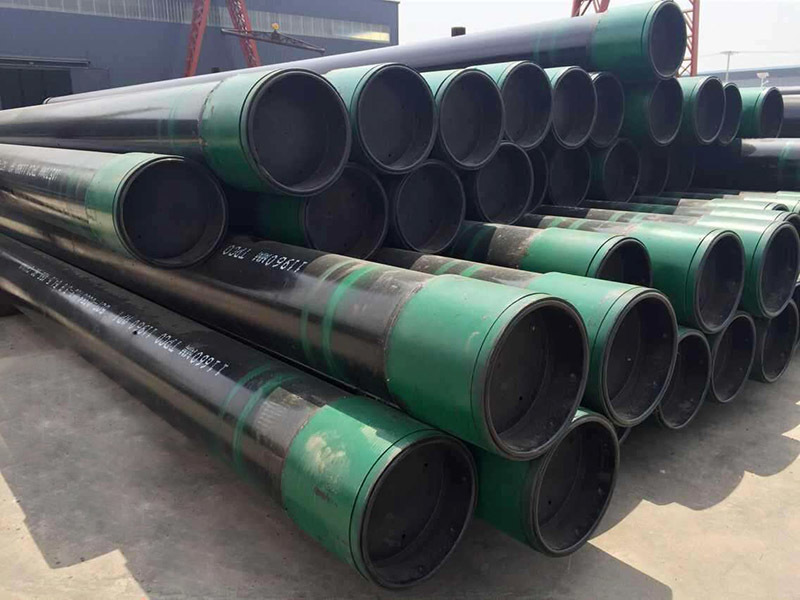
Best Practices for Installing Oil Casing Pipes in Construction
In the construction industry, especially in oil and gas exploration, the installation of oil casing pipes is a critical operation that demands precision and adherence to established standards. Proper installation ensures the structural integrity of the well, prevents environmental contamination, and maximizes the efficiency of oil extraction. In this article, we will delve into the best practices for installing oil casing pipes, providing essential insights and guidelines for construction professionals.
Understanding Oil Casing Pipes
Oil casing pipes play a pivotal role in the drilling process. They protect the wellbore from collapse, prevent the migration of fluids between formations, and ensure the safe extraction of oil. Typically made from high-strength steel, these pipes are designed to withstand extreme pressures and harsh environmental conditions.
Types of Oil Casing Pipes
There are several types of oil casing pipes used in construction, including:
- **Surface Casing**: This is the first layer of casing installed in the well. It protects groundwater and provides support for the drilling operation.
- **Intermediate Casing**: Installed after the surface casing, this type provides additional support and isolates different pressure zones within the well.
- **Production Casing**: The final casing installed, it allows for the extraction of oil and gas.
Understanding the specific applications of each type of casing pipe is crucial for selecting the right materials and installation techniques.
Preparation for Installation
Before commencing the installation of oil casing pipes, thorough preparation is essential. This includes site assessment, equipment checks, and material selection.
Site Assessment
Conduct a detailed site assessment to identify geological conditions, existing infrastructure, and environmental considerations. Key factors to evaluate include:
- Soil composition and stability
- Proximity to water sources
- Potential environmental impacts
This information will guide the installation process and help mitigate risks.
Equipment and Material Selection
Choose high-quality casing pipes and compatible materials. Key aspects to consider include:
- **Pipe Specifications**: Ensure that pipes meet industry standards, such as API (American Petroleum Institute) specifications.
- **Joint Types**: Select appropriate joint types based on the specific requirements of the project.
- **Installation Equipment**: Ensure the use of reliable machinery, including casing running tools and drilling rigs, to facilitate a smooth installation process.
Best Practices During Installation
The installation process for oil casing pipes requires a methodical approach to ensure optimal performance and durability.
Step-by-Step Installation Process
1. **Drilling the Well**: Begin by drilling the well to the required depth, ensuring that the borehole diameter is appropriate for the casing being installed.
2. **Cleaning the Borehole**: Remove any debris, mud, or obstacles from the borehole. A clean environment is crucial for the effective placement of casing pipes.
3. **Lowering the Casing Pipe**: Carefully lower the casing pipe into the borehole, making sure to maintain vertical alignment. This step is critical to avoid structural issues later.
4. **Cementing the Casing**: Once the casing is in position, cement it in place. This process provides support and seals the annular space between the casing and the borehole. Use high-quality cement and ensure proper mixing and curing times.
5. **Testing for Integrity**: After cementing, perform pressure tests to check for leaks and assess the integrity of the installation. This step ensures that the casing can withstand operational pressures.
Safety Considerations
Safety is paramount during the installation of oil casing pipes. Implement the following measures:
- **Personal Protective Equipment (PPE)**: Ensure all personnel wear appropriate PPE, including helmets, gloves, and eye protection.
- **Emergency Protocols**: Establish clear emergency procedures and communication plans to address any incidents swiftly.
- **Regular Training**: Conduct safety training sessions for all team members to keep everyone informed about best practices and potential hazards.
Post-Installation Practices
After the installation of oil casing pipes, several best practices should be followed to ensure long-term integrity and performance.
Regular Inspections
Conduct regular inspections of the installed casing pipes to monitor for signs of wear, corrosion, or damage. This proactive approach helps identify potential issues before they escalate.
Maintenance and Repairs
Implement a maintenance schedule that includes routine checks and necessary repairs. Address any issues promptly to extend the life of the casing pipes and maintain efficiency in oil extraction.
Environmental Considerations
In today's environmentally conscious landscape, it's crucial to minimize the impact of drilling operations on the surrounding environment. Consider the following practices:
Waste Management
Develop a waste management plan to handle drilling mud, cuttings, and other byproducts responsibly. Proper disposal methods reduce pollution risks and comply with regulatory requirements.
Monitoring for Environmental Impact
Continuously monitor the surrounding environment for any signs of contamination or other adverse effects from the drilling operation. This vigilance not only protects natural resources but also enhances the project's reputation.
Technological Advancements in Casing Installation
The construction industry is continually evolving, and new technologies are shaping the future of oil casing pipe installation. Stay informed about advancements such as:
- **Automated Casing Running Systems**: These systems enhance accuracy and efficiency during installation.
- **Digital Monitoring Tools**: Utilize sensors and software to monitor casing integrity in real-time, allowing for proactive maintenance.
FAQs about Oil Casing Pipe Installation
1. What is the primary purpose of oil casing pipes?
Oil casing pipes serve to protect the wellbore, prevent fluid migration, and enable safe oil and gas extraction.
2. How do I choose the right casing pipe for my project?
Consider factors such as well depth, soil conditions, and pressure requirements. Always refer to industry standards for specifications.
3. What safety measures should be in place during installation?
Ensure proper PPE is worn, establish clear emergency protocols, and conduct regular safety training for all personnel.
4. How often should oil casing pipes be inspected?
Regular inspections should be conducted at least once a year, or more frequently in high-risk environments.
5. Can technological advancements improve the installation process?
Yes, advancements such as automated systems and digital monitoring tools can enhance efficiency and safety during installation.
Conclusion
Installing oil casing pipes in construction is a complex but essential process that requires careful planning, execution, and adherence to best practices. By following the guidelines outlined in this article, construction professionals can ensure the integrity and safety of their operations, protecting both the environment and the investment. Continuous learning and adaptation to new technologies will further enhance the installation process, leading to more efficient and sustainable practices in the oil and gas industry.
Key words:
PREVIOUS:

Contact
E-mail:
Add:
Hope New District, Mengcun Hui Autonomous County,
Cangzhou City, Hebei Province


PRODUCT SEARCH
Search And Quickly Find The Products You Need
The main products include oil pipeline pipes, oil casing and various specifications of GB/T8162 structural pipes, GB8/T163 fluid pipes, GB/T3087 low and medium pressure boiler pipes, G/TB5310 high pressure boiler pipes, GB/T6479 fertilizer special pipes, etc.