
Understanding Oil Tubing Pipes: Essential Insights for the Construction Industry
In the construction and decoration materials industry, particularly within pipeline systems, oil tubing pipes play a significant role. These pipes are specifically designed to transport oil and gas from production sites to distribution points, crucial for various applications in multiple sectors, including energy and construction.
Oil tubing pipes are typically made from robust materials like carb
Aug 02,2026
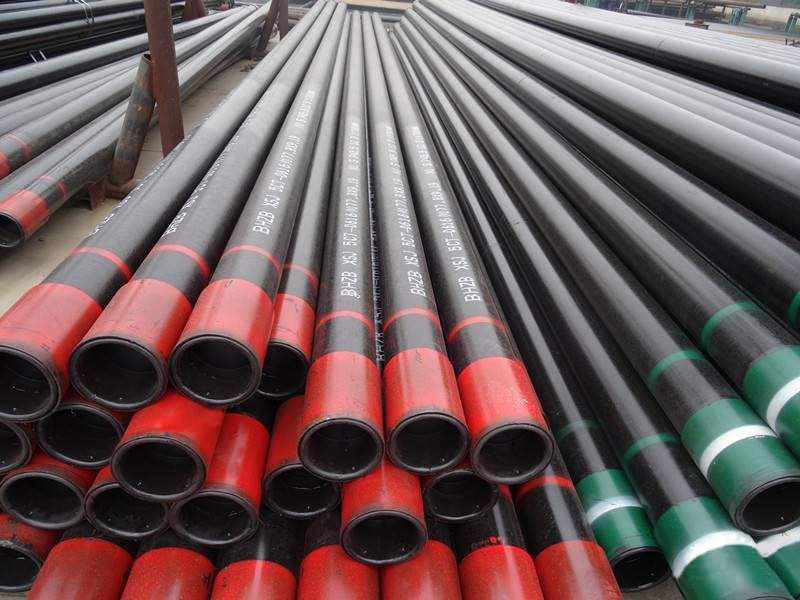
In the construction and decoration materials industry, particularly within pipeline systems, oil tubing pipes play a significant role. These pipes are specifically designed to transport oil and gas from production sites to distribution points, crucial for various applications in multiple sectors, including energy and construction.
Oil tubing pipes are typically made from robust materials like carbon steel or stainless steel, which provide the necessary strength and resistance to harsh environmental conditions. The manufacturing process often involves advanced techniques such as hot rolling or cold drawing to achieve the desired dimensional accuracy and mechanical properties. This is vital, as the pipes must withstand high pressures and temperatures during operation.
One of the primary functions of oil tubing pipes is to facilitate the safe and efficient transport of oil and natural gas. They are engineered to minimize the risk of leaks, which is essential for maintaining environmental safety and operational efficiency. In scenarios where harsh chemicals or extreme temperatures are involved, the choice of material and proper coating can greatly enhance the longevity and durability of these pipes.
When considering oil tubing pipes for construction projects, it is essential to assess factors such as pipe diameter, wall thickness, and length. These specifications will be determined by the specific requirements of the project and the nature of the fluids being transported. For instance, larger diameters may be needed for high-volume transport, while thinner walls can reduce weight and cost in less demanding applications.
Installation practices for oil tubing pipes also require careful consideration. Proper alignment and support are crucial to prevent undue stress or wear during operation. Additionally, regular maintenance and inspection protocols should be established to monitor pipe integrity and prevent potential failures. This may include non-destructive testing methods and periodic visual inspections to identify corrosion or other issues that could compromise system performance.
In summary, oil tubing pipes are a vital component in the construction and decoration materials sector, particularly in pipeline systems. Their design, material selection, and maintenance protocols significantly affect the overall efficiency and safety of fluid transport. By understanding the technical aspects and applications of oil tubing pipes, industry professionals can make informed decisions that enhance operational success and environmental stewardship.
Oil tubing pipes are typically made from robust materials like carbon steel or stainless steel, which provide the necessary strength and resistance to harsh environmental conditions. The manufacturing process often involves advanced techniques such as hot rolling or cold drawing to achieve the desired dimensional accuracy and mechanical properties. This is vital, as the pipes must withstand high pressures and temperatures during operation.
One of the primary functions of oil tubing pipes is to facilitate the safe and efficient transport of oil and natural gas. They are engineered to minimize the risk of leaks, which is essential for maintaining environmental safety and operational efficiency. In scenarios where harsh chemicals or extreme temperatures are involved, the choice of material and proper coating can greatly enhance the longevity and durability of these pipes.
When considering oil tubing pipes for construction projects, it is essential to assess factors such as pipe diameter, wall thickness, and length. These specifications will be determined by the specific requirements of the project and the nature of the fluids being transported. For instance, larger diameters may be needed for high-volume transport, while thinner walls can reduce weight and cost in less demanding applications.
Installation practices for oil tubing pipes also require careful consideration. Proper alignment and support are crucial to prevent undue stress or wear during operation. Additionally, regular maintenance and inspection protocols should be established to monitor pipe integrity and prevent potential failures. This may include non-destructive testing methods and periodic visual inspections to identify corrosion or other issues that could compromise system performance.
In summary, oil tubing pipes are a vital component in the construction and decoration materials sector, particularly in pipeline systems. Their design, material selection, and maintenance protocols significantly affect the overall efficiency and safety of fluid transport. By understanding the technical aspects and applications of oil tubing pipes, industry professionals can make informed decisions that enhance operational success and environmental stewardship.
Key words:

Contact
E-mail:
Add:
Hope New District, Mengcun Hui Autonomous County,
Cangzhou City, Hebei Province


PRODUCT SEARCH
Search And Quickly Find The Products You Need
The main products include oil pipeline pipes, oil casing and various specifications of GB/T8162 structural pipes, GB8/T163 fluid pipes, GB/T3087 low and medium pressure boiler pipes, G/TB5310 high pressure boiler pipes, GB/T6479 fertilizer special pipes, etc.