
Steel Line Pipe: A Key Component in Sustainable Building Practices
Steel Line Pipe: A Key Component in Sustainable Building Practices
Table of Contents
Introduction to Steel Line Pipes
The Importance of Sustainability in Construction
Overview of Steel Line Pipes
Benefits of Steel Line Pipes in Sustainable Building
Applications of Steel Line Pipes in Various Industries
Innovations and Technologies in Steel Line Pipe Manufacturing
Susta
Jul 30,2026

Steel Line Pipe: A Key Component in Sustainable Building Practices
Table of Contents
- Introduction to Steel Line Pipes
- The Importance of Sustainability in Construction
- Overview of Steel Line Pipes
- Benefits of Steel Line Pipes in Sustainable Building
- Applications of Steel Line Pipes in Various Industries
- Innovations and Technologies in Steel Line Pipe Manufacturing
- Sustainability Initiatives with Steel Line Pipes
- The Future of Steel Line Pipes in Sustainable Construction
- Frequently Asked Questions
- Conclusion
Introduction to Steel Line Pipes
Steel line pipes serve as the backbone of numerous industrial and construction applications. Manufactured from high-quality steel, these pipes are designed to transport fluids, gases, and even solids efficiently and safely. As the demand for sustainable practices intensifies in the construction industry, steel line pipes are emerging as indispensable components that promote environmentally friendly building practices. This article will explore their benefits, applications, and innovations that contribute to the sustainability of modern construction.
The Importance of Sustainability in Construction
Sustainability in construction is not just a trend; it is a necessity. As environmental concerns rise, the construction industry faces pressure to minimize its ecological footprint. Sustainable building practices aim to reduce waste, conserve energy, and promote the use of renewable resources. By adopting materials and systems that enhance sustainability, builders are not only complying with regulations but also gaining a competitive edge in the market.
The Role of Materials in Sustainable Construction
Choosing the right materials is crucial to achieving sustainability. Steel line pipes are recognized for their durability, longevity, and recyclability. They play a significant role in reducing the life-cycle environmental impact of building projects by minimizing the need for frequent replacements and reducing waste.
Overview of Steel Line Pipes
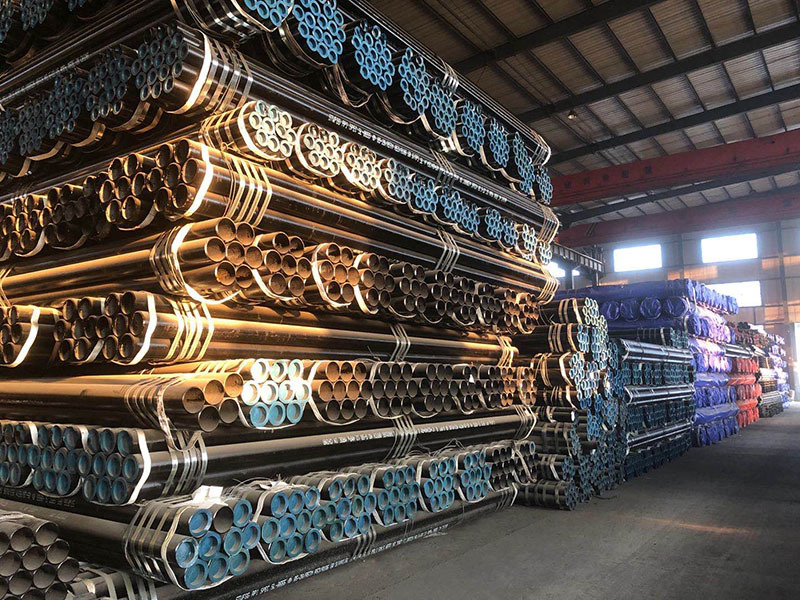
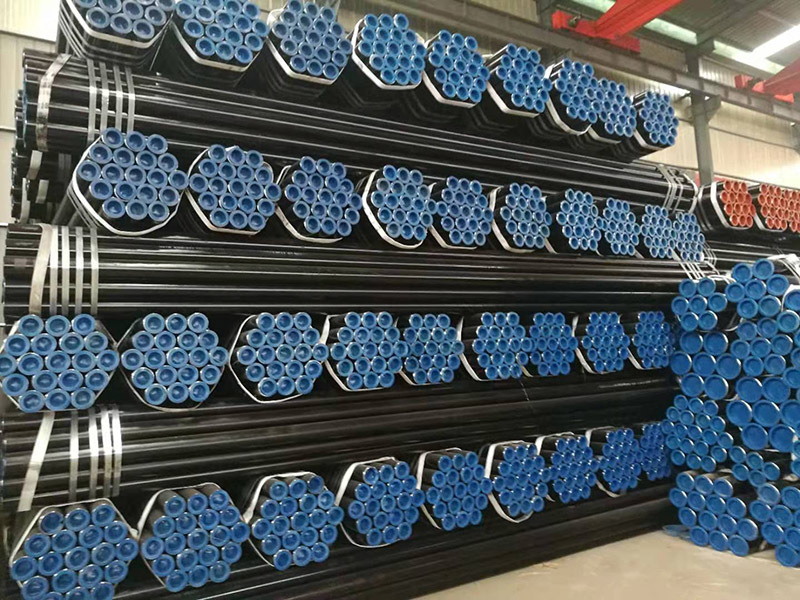
Steel line pipes are produced through various methods, including seamless and welded techniques, depending on the application requirements. These pipes range in size and are commonly used for transporting water, oil, gas, and other fluids. Their strength and resistance to corrosion make them suitable for both underground and above-ground applications.
Types of Steel Line Pipes
1. **Seamless Steel Pipes**: Manufactured without any joints, these pipes offer enhanced strength and reliability, making them ideal for high-pressure applications.
2. **Welded Steel Pipes**: Created by welding flat steel plates, welded pipes are more cost-effective and are widely used in less demanding applications.
3. **Corrosion-Resistant Steel Pipes**: Coated with protective materials, these pipes are designed to withstand harsh environments, extending their lifespan and reducing maintenance needs.
Benefits of Steel Line Pipes in Sustainable Building
Steel line pipes offer numerous advantages that align with sustainable building practices:
1. Durability and Longevity
Steel is known for its robustness and ability to withstand extreme conditions, making it a reliable choice for transporting fluids over long periods. This durability directly translates to lower replacement rates and reduced waste.
2. Recyclability
One of the most significant benefits of steel is its recyclability. Steel line pipes can be recycled at the end of their life cycle, contributing to a circular economy and reducing the demand for new raw materials.
3. Energy Efficiency
The energy required to produce and transport steel line pipes is lower compared to many other materials. Additionally, their thermal conductivity can contribute to energy savings in certain applications, such as heating systems.
4. Reduced Environmental Impact
By minimizing leaks and failures in fluid transport, steel line pipes help prevent environmental contamination. Their resistance to corrosion and wear also means that they can operate efficiently for longer periods without significant maintenance.
Applications of Steel Line Pipes in Various Industries
Steel line pipes are versatile and find applications across various sectors:
1. Oil and Gas Industry
In the oil and gas sector, steel line pipes are essential for transporting hydrocarbons from extraction points to processing facilities. Their strength ensures safe and efficient transportation under high-pressure conditions.
2. Water Supply and Sewage Systems
Municipal water supply systems employ steel line pipes for their reliability and durability. In sewage systems, the corrosion resistance of steel line pipes ensures long-lasting performance against harsh waste conditions.
3. Construction and Civil Engineering
Steel line pipes are widely used in construction for structural applications, including piling and foundations. Their load-bearing capabilities make them ideal for supporting heavy structures.
4. Industrial Applications
Manufacturing and processing industries utilize steel line pipes for transporting chemicals, gases, and other materials essential for production.
Innovations and Technologies in Steel Line Pipe Manufacturing
The manufacturing of steel line pipes is constantly evolving. Recent innovations focus on enhancing strength, improving corrosion resistance, and minimizing manufacturing costs.
1. Advanced Coatings
Developments in coating technologies have led to the creation of more effective protective layers for steel line pipes, vastly improving their lifespan and resistance to environmental degradation.
2. Smart Technology Integration
The integration of smart technology allows for real-time monitoring of steel line pipes, enhancing maintenance scheduling and reducing the risk of unexpected failures.
3. Sustainable Production Practices
Manufacturers are adopting sustainable practices, such as using recycled steel and reducing energy consumption during production, further enhancing the sustainability of steel line pipes.
Sustainability Initiatives with Steel Line Pipes
Various organizations and companies are spearheading initiatives to promote the use of steel line pipes in sustainable construction:
1. Green Building Certifications
Many green building certification programs, such as LEED (Leadership in Energy and Environmental Design), recognize the benefits of using sustainable materials, including steel line pipes, in construction projects.
2. Industry Collaborations
Partnerships between manufacturers, builders, and environmental organizations are fostering the development of best practices for using steel line pipes in a sustainable manner.
The Future of Steel Line Pipes in Sustainable Construction
As the construction industry shifts towards sustainability, steel line pipes will remain a cornerstone of modern building practices. Innovations in material science and manufacturing processes will further enhance their role in creating eco-friendly structures. The continued emphasis on sustainability will ensure that steel line pipes evolve to meet the demands of future construction projects.
Frequently Asked Questions
1. Why are steel line pipes considered sustainable?
Steel line pipes are sustainable due to their durability, long lifespan, recyclability, and reduced environmental impact.
2. What industries use steel line pipes?
Steel line pipes are used across various industries, including oil and gas, water supply, sewage systems, construction, and manufacturing.
3. How do steel line pipes contribute to energy efficiency?
Steel line pipes can enhance energy efficiency by reducing leaks and their thermal conductivity can help in heating applications.
4. What advancements are being made in steel line pipe technology?
Recent advancements include improved coatings for corrosion resistance, smart technology for monitoring, and sustainable production practices.
5. How can steel line pipes be recycled?
At the end of their life cycle, steel line pipes can be melted down and repurposed into new steel products, contributing to a circular economy.
Conclusion
Steel line pipes play a crucial role in sustainable building practices, offering numerous benefits that align with modern environmental standards. Their durability, recyclability, and reduced environmental impact make them an essential component in various applications across multiple industries. As we move towards a more sustainable future, the continued innovation in steel line pipe technology will ensure that they remain at the forefront of eco-friendly construction solutions. By embracing these materials, the construction industry can significantly contribute to a greener planet while meeting the demands of contemporary building practices.
Key words:

Contact
E-mail:
Add:
Hope New District, Mengcun Hui Autonomous County,
Cangzhou City, Hebei Province


PRODUCT SEARCH
Search And Quickly Find The Products You Need
The main products include oil pipeline pipes, oil casing and various specifications of GB/T8162 structural pipes, GB8/T163 fluid pipes, GB/T3087 low and medium pressure boiler pipes, G/TB5310 high pressure boiler pipes, GB/T6479 fertilizer special pipes, etc.