
Oil Pipeline Seamless Pipes: The Ultimate Guide for Builders Seeking Quality and Performance
Oil Pipeline Seamless Pipes: A Comprehensive Guide for Builders
Table of Contents
1. Introduction to Oil Pipeline Seamless Pipes
2. The Importance of Seamless Pipes in Oil Pipelines
3. Manufacturing Process of Seamless Pipes
3.1. Materials Used in Manufacturing
3.2. Techniques for Seamless Pipe Production
4. Applications of Seamless Pipes in Oil Pip
May 18,2026

Oil Pipeline Seamless Pipes: A Comprehensive Guide for Builders
Table of Contents
- 1. Introduction to Oil Pipeline Seamless Pipes
- 2. The Importance of Seamless Pipes in Oil Pipelines
- 3. Manufacturing Process of Seamless Pipes
- 4. Applications of Seamless Pipes in Oil Pipelines
- 5. Advantages of Using Seamless Pipes
- 6. Industry Standards and Regulations
- 7. Maintenance and Inspection of Seamless Pipes
- 8. FAQs about Oil Pipeline Seamless Pipes
- 9. Conclusion
1. Introduction to Oil Pipeline Seamless Pipes
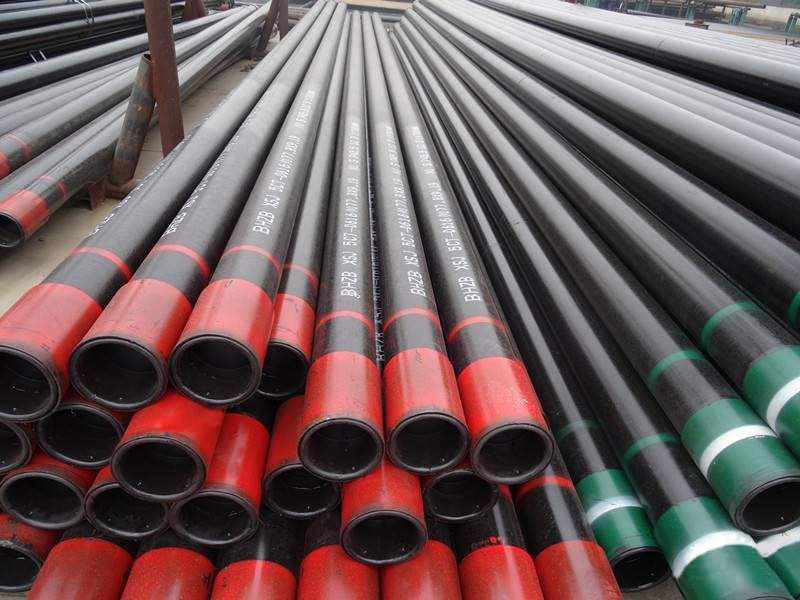
In the construction and oil industries, the choice of piping materials is crucial for ensuring the efficiency, safety, and longevity of operations. **Oil pipeline seamless pipes** have gained prominence due to their unique characteristics that make them suitable for transporting crude oil and natural gas. This guide will delve into the advantages, manufacturing processes, applications, and maintenance practices associated with seamless pipes, providing builders with the knowledge needed to make informed decisions.
2. The Importance of Seamless Pipes in Oil Pipelines
Seamless pipes are essential in oil pipelines for several reasons. Their continuous structure eliminates the weaknesses found in welded pipes, making them more resistant to pressure and corrosion. This is particularly important in environments where the integrity of the pipeline is critical to prevent leaks and spills. Additionally, seamless pipes are preferred for their ability to withstand extreme temperatures and harsh conditions.
3. Manufacturing Process of Seamless Pipes
The manufacturing of seamless pipes involves several intricate processes that ensure their strength and reliability. Understanding these processes is vital for builders looking to select the best products for their projects.
3.1. Materials Used in Manufacturing
Seamless pipes are typically made from various materials, including carbon steel, alloy steel, and stainless steel. Each of these materials has its unique properties that cater to different application needs. For instance, **carbon steel** is widely used for its strength and affordability, while **stainless steel** is favored for its corrosion resistance, making it ideal for more demanding environments.
3.2. Techniques for Seamless Pipe Production
The primary techniques for producing seamless pipes include the **piercing method** and the **extrusion method**. In the piercing method, a solid billet is heated and then pierced to create a hollow tube. The extrusion method involves forcing heated material through a die to create the desired shape. Both techniques produce pipes with uniform wall thickness and high mechanical properties, making them suitable for high-pressure applications.
4. Applications of Seamless Pipes in Oil Pipelines
Seamless pipes are utilized in various applications within the oil and gas industry. These include:
- **Transportation of Crude Oil**: Seamless pipes are employed for long-distance transportation of crude oil due to their strength and ability to withstand high pressure.
- **Natural Gas Transport**: The corrosion-resistant properties of seamless pipes make them ideal for transporting natural gas, where exposure to various chemicals is common.
- **Refinery Operations**: In refineries, seamless pipes are used in various processes, including distillation and cracking, where high temperatures and pressures are prevalent.
5. Advantages of Using Seamless Pipes
There are numerous advantages to using seamless pipes in oil pipelines:
- **Enhanced Durability**: Seamless pipes are known for their strength and durability, making them capable of withstanding high pressures and extreme temperatures.
- **Corrosion Resistance**: Many seamless pipes are manufactured from materials that resist corrosion, prolonging their lifespan and reducing maintenance costs.
- **Reduced Risk of Leaks**: The absence of welds in seamless pipes minimizes the risk of leaks, which is critical in preventing environmental disasters and ensuring safety.
6. Industry Standards and Regulations
Seamless pipes must comply with various industry standards and regulations to ensure their quality and safety. Organizations such as the **American Society for Testing and Materials (ASTM)** and the **American Petroleum Institute (API)** provide guidelines for manufacturing and testing seamless pipes. These standards help builders select products that meet safety and performance requirements.
7. Maintenance and Inspection of Seamless Pipes
Regular maintenance and inspection are vital for the longevity and safe operation of seamless pipes in oil pipelines. Recommended practices include:
- **Routine Inspections**: Conducting regular inspections helps identify potential issues before they escalate. Techniques such as ultrasonic testing and magnetic particle inspection can detect flaws.
- **Corrosion Monitoring**: Implementing corrosion monitoring systems is essential, especially in environments where pipes are exposed to harsh chemicals.
- **Cleaning and Maintenance**: Regular cleaning of pipes can prevent the buildup of deposits that may affect flow rates and efficiency.
8. FAQs about Oil Pipeline Seamless Pipes
**Q1: What is the difference between seamless and welded pipes?**
A1: Seamless pipes are manufactured without welding, making them stronger and less prone to leaks. Welded pipes, on the other hand, are created by welding together two pieces of metal, which can create weak points.
**Q2: Can seamless pipes be used for high-temperature applications?**
A2: Yes, many seamless pipes are designed to withstand high temperatures, making them suitable for applications in refineries and other hot environments.
**Q3: What is the lifespan of seamless pipes?**
A3: The lifespan of seamless pipes can vary widely based on materials, environmental conditions, and maintenance practices, but they can last several decades if properly maintained.
**Q4: Are seamless pipes more expensive than welded pipes?**
A4: Generally, seamless pipes are more expensive due to their manufacturing process, which is more complex and time-consuming.
**Q5: How do I choose the right seamless pipe for my project?**
A5: Consider factors such as material type, pressure rating, temperature tolerance, and compliance with industry standards when selecting seamless pipes for your project.
9. Conclusion
In conclusion, **oil pipeline seamless pipes** play a crucial role in the construction and oil industries due to their unique benefits, including enhanced durability, corrosion resistance, and reduced leak risk. Understanding their manufacturing processes, applications, and maintenance practices is essential for builders who want to ensure the efficiency and safety of their projects. By choosing the right seamless pipes, builders can contribute to the successful operation of oil pipelines and promote sustainable practices in the industry.
Key words:


Contact
E-mail:
Add:
Hope New District, Mengcun Hui Autonomous County,
Cangzhou City, Hebei Province


PRODUCT SEARCH
Search And Quickly Find The Products You Need
The main products include oil pipeline pipes, oil casing and various specifications of GB/T8162 structural pipes, GB8/T163 fluid pipes, GB/T3087 low and medium pressure boiler pipes, G/TB5310 high pressure boiler pipes, GB/T6479 fertilizer special pipes, etc.