
Cost-Effective Solutions: The Value of Oil Tubing Pipe in Construction
Cost-Effective Solutions: The Value of Oil Tubing Pipe in Construction
Introduction to Oil Tubing Pipes in Construction
In the ever-evolving landscape of construction, the demand for robust, cost-effective materials continues to rise. One such material that has garnered attention for its versatility and reliability is the oil tubing pipe. These pipes are not only integral to the oil and gas in
May 19,2026

Cost-Effective Solutions: The Value of Oil Tubing Pipe in Construction
Introduction to Oil Tubing Pipes in Construction
In the ever-evolving landscape of construction, the demand for robust, cost-effective materials continues to rise. One such material that has garnered attention for its versatility and reliability is the oil tubing pipe. These pipes are not only integral to the oil and gas industry but also serve a myriad of purposes in construction and other sectors. Understanding the value of oil tubing pipes can lead to substantial savings and enhanced project efficiency.
The Importance of Cost-Effectiveness in Construction
Cost-effectiveness plays a critical role in construction projects. With tight budgets and increasing material costs, finding solutions that provide maximum value without compromising quality is essential. This is where oil tubing pipes come into play. Their unique properties make them ideal for various applications, contributing to reduced costs in the long run.
Understanding Oil Tubing Pipes
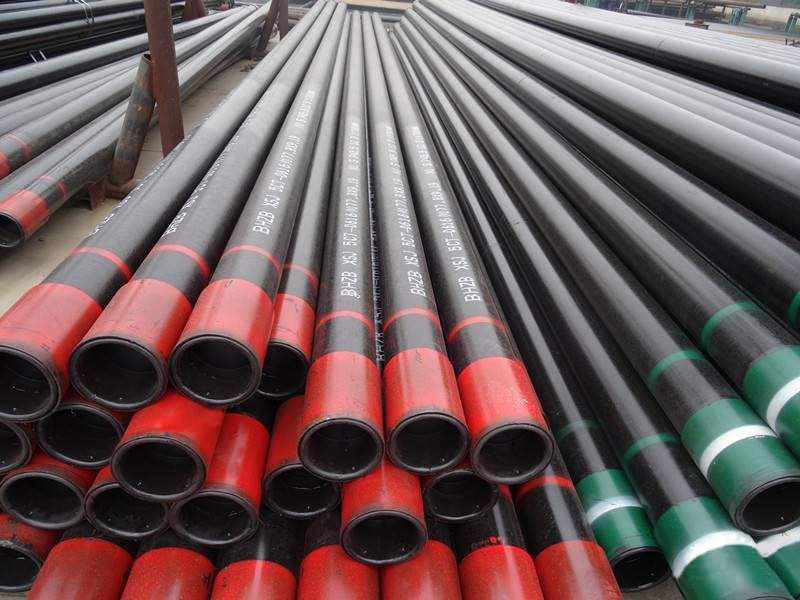
Oil tubing pipes are designed primarily for the transportation of oil and gas. They are typically made from high-strength materials to withstand high pressure and corrosive environments. Their design allows for easy installation and maintenance, making them a popular choice in various construction projects.
Types of Oil Tubing Pipes
There are several types of oil tubing pipes, including:
- **Seamless Tubing**: Manufactured without seams, these pipes offer increased strength and reduced risk of leaks.
- **Welded Tubing**: Made by joining two pieces of metal, these pipes are often more affordable and suitable for less demanding applications.
- **Coated Tubing**: This type features protective coatings to enhance corrosion resistance, making them ideal for harsh environments.
Benefits of Using Oil Tubing Pipes in Construction
The use of oil tubing pipes in construction brings numerous benefits that contribute to their value.
1. Durability and Strength
Oil tubing pipes are engineered to withstand extreme conditions, including high pressures and corrosive substances. This durability ensures longevity and reliability, reducing the need for frequent replacements.
2. Cost Savings
Using oil tubing pipes can lead to significant cost savings. Their durability reduces maintenance and replacement costs, while their lightweight nature can lower transportation expenses.
3. Versatility in Applications
Oil tubing pipes can be utilized in various applications beyond the oil and gas industry. From structural applications to plumbing and drainage systems, their versatility makes them an excellent choice for construction projects.
4. Eco-Friendly Solutions
With the push for sustainable construction practices, oil tubing pipes can be tailored to meet environmental standards. Their recyclability and energy-efficient production processes contribute to eco-friendly construction practices.
Applications of Oil Tubing Pipes in Construction
The following sections delve into specific applications of oil tubing pipes in construction, highlighting their versatility and effectiveness.
1. Structural Support Systems
Oil tubing pipes are frequently used as structural supports in buildings and infrastructure. Their high tensile strength makes them ideal for supporting heavy loads, ensuring stability and safety.
2. Plumbing Systems
In plumbing applications, oil tubing pipes can transport water and other fluids efficiently. Their resistance to corrosion makes them suitable for both residential and commercial plumbing systems.
3. Drainage and Waste Management
Oil tubing pipes are also beneficial in drainage systems, effectively managing stormwater and waste. Their robust design minimizes the risk of leaks and blockages, ensuring efficient waste disposal.
4. HVAC Systems
In heating, ventilation, and air conditioning (HVAC) systems, oil tubing pipes provide reliable conduits for refrigerants and other fluids. Their ability to withstand temperature fluctuations makes them a preferred choice in HVAC installations.
Innovations in Oil Tubing Pipe Technology
As the construction industry continues to evolve, so does the technology behind oil tubing pipes. Recent innovations have enhanced their performance and versatility.
1. Advanced Coating Technologies
New coating technologies have been developed to enhance the corrosion resistance of oil tubing pipes. These advancements prolong the lifespan of pipes in challenging environments, reducing maintenance costs.
2. Smart Pipe Technologies
The integration of smart technologies into oil tubing pipes allows for real-time monitoring of pressure and flow rates. This capability can lead to proactive maintenance and risk mitigation, further enhancing their value in construction.
3. Eco-Friendly Materials
Innovations in materials science have led to the development of eco-friendly oil tubing pipes. These pipes utilize sustainable materials and processes, aligning with the growing demand for environmentally responsible construction practices.
Choosing the Right Oil Tubing Pipe for Your Project
Selecting the appropriate oil tubing pipe for your construction project is crucial. Here are some considerations to keep in mind:
1. Project Requirements
Evaluate the specific requirements of your project, including pressure ratings, environmental conditions, and material compatibility. This assessment will help determine the most suitable type of oil tubing pipe.
2. Cost vs. Quality
While it may be tempting to opt for the cheapest option, balancing cost with quality is essential. Investing in high-quality oil tubing pipes can save money in the long run by reducing maintenance and replacement needs.
3. Supplier Reputation
Choose reputable suppliers with experience in the industry. A reliable supplier will provide quality products and support, ensuring a successful project outcome.
Frequently Asked Questions (FAQs)
1. What are oil tubing pipes made of?
Oil tubing pipes are typically made from high-strength steel and may feature various coatings to enhance their durability and corrosion resistance.
2. How do oil tubing pipes compare to other piping materials?
Oil tubing pipes offer superior strength and durability compared to many other materials, making them suitable for high-pressure applications.
3. Are oil tubing pipes environmentally friendly?
Yes, many modern oil tubing pipes are designed with eco-friendly materials and processes, contributing to sustainable construction practices.
4. Can oil tubing pipes be used for residential projects?
Absolutely! Oil tubing pipes are versatile and can be employed in a variety of residential applications, including plumbing and structural support.
5. What factors should I consider when choosing oil tubing pipes?
Consider project requirements, environmental conditions, cost versus quality, and the reputation of the supplier when selecting oil tubing pipes.
Conclusion
The value of oil tubing pipes in construction cannot be overstated. Their combination of durability, cost-effectiveness, and versatility makes them an essential component in various applications. As the construction industry continues to advance, the innovations in oil tubing pipe technology will further enhance their role in creating efficient and sustainable structures. By choosing the right oil tubing pipes for your projects, you can achieve significant cost savings while ensuring the quality and longevity of your construction endeavors.
Key words:


Contact
E-mail:
Add:
Hope New District, Mengcun Hui Autonomous County,
Cangzhou City, Hebei Province


PRODUCT SEARCH
Search And Quickly Find The Products You Need
The main products include oil pipeline pipes, oil casing and various specifications of GB/T8162 structural pipes, GB8/T163 fluid pipes, GB/T3087 low and medium pressure boiler pipes, G/TB5310 high pressure boiler pipes, GB/T6479 fertilizer special pipes, etc.