
Understanding Steel Line Pipe: Key Considerations for the Construction Industry
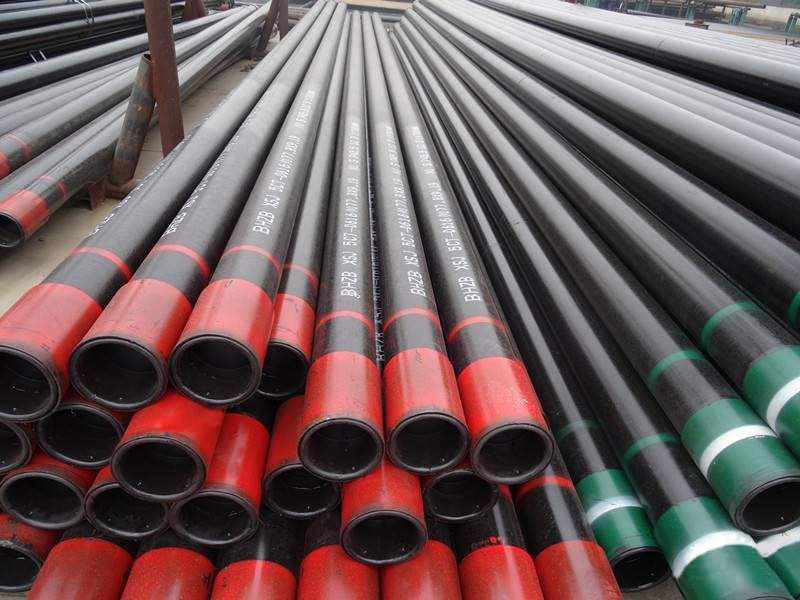
Steel line pipes are integral components in various pipeline systems, primarily used for the transportation of fluids and gases. As the construction industry continually evolves, understanding the specifics of steel line pipes becomes crucial for professionals seeking effective and durable solutions for their projects. This article outlines important considerations regarding steel line pipes that
May 18,2026

Steel line pipes are integral components in various pipeline systems, primarily used for the transportation of fluids and gases. As the construction industry continually evolves, understanding the specifics of steel line pipes becomes crucial for professionals seeking effective and durable solutions for their projects. This article outlines important considerations regarding steel line pipes that can aid construction managers, engineers, and procurement specialists in making informed decisions.
First and foremost, the primary advantage of steel line pipes lies in their strength and durability. They are designed to withstand high pressure and extreme temperatures, making them suitable for both onshore and offshore applications. In the construction industry, these pipes are often used for water, oil, and gas transportation, providing reliable performance over extended periods. Their resistance to corrosion, particularly when coated or treated, further enhances their longevity, reducing maintenance costs and ensuring project efficiency.
When selecting steel line pipes, it is essential to consider the specifications that align with your project’s requirements. Factors such as pipe diameter, wall thickness, and length play a significant role in determining the pipe's capacity and suitability for specific applications. It is also vital to adhere to industry standards and regulations, which can vary by region and application type. Familiarizing yourself with these specifications ensures compliance and promotes safety in construction practices.
In addition to specifications, the manufacturing process of steel line pipes is another crucial aspect to consider. Pipes can be produced through various methods, including seamless and welded processes. Seamless steel line pipes are formed without any joints, offering superior strength and reliability. Conversely, welded pipes, while more economical, may present weaknesses at the seams. Understanding these differences allows you to choose the right type of pipe based on your project's needs and budget constraints.
Another noteworthy consideration is the environmental impact of using steel line pipes. Steel is a recyclable material, making it an eco-friendly option in sustainable construction practices. By opting for steel line pipes, you contribute to the reduction of waste and promote a circular economy. Additionally, manufacturers are increasingly adopting greener production methods, further minimizing the environmental footprint associated with steel pipe production.
In conclusion, steel line pipes are essential in the construction and decorative materials sector, offering durability, strength, and versatility for various pipeline systems. By understanding the critical elements, including specifications, manufacturing processes, and sustainability considerations, construction professionals can make informed choices that align with project goals and environmental standards. Emphasizing these factors not only enhances operational efficiency but also supports the overall success of construction endeavors.
First and foremost, the primary advantage of steel line pipes lies in their strength and durability. They are designed to withstand high pressure and extreme temperatures, making them suitable for both onshore and offshore applications. In the construction industry, these pipes are often used for water, oil, and gas transportation, providing reliable performance over extended periods. Their resistance to corrosion, particularly when coated or treated, further enhances their longevity, reducing maintenance costs and ensuring project efficiency.
When selecting steel line pipes, it is essential to consider the specifications that align with your project’s requirements. Factors such as pipe diameter, wall thickness, and length play a significant role in determining the pipe's capacity and suitability for specific applications. It is also vital to adhere to industry standards and regulations, which can vary by region and application type. Familiarizing yourself with these specifications ensures compliance and promotes safety in construction practices.
In addition to specifications, the manufacturing process of steel line pipes is another crucial aspect to consider. Pipes can be produced through various methods, including seamless and welded processes. Seamless steel line pipes are formed without any joints, offering superior strength and reliability. Conversely, welded pipes, while more economical, may present weaknesses at the seams. Understanding these differences allows you to choose the right type of pipe based on your project's needs and budget constraints.
Another noteworthy consideration is the environmental impact of using steel line pipes. Steel is a recyclable material, making it an eco-friendly option in sustainable construction practices. By opting for steel line pipes, you contribute to the reduction of waste and promote a circular economy. Additionally, manufacturers are increasingly adopting greener production methods, further minimizing the environmental footprint associated with steel pipe production.
In conclusion, steel line pipes are essential in the construction and decorative materials sector, offering durability, strength, and versatility for various pipeline systems. By understanding the critical elements, including specifications, manufacturing processes, and sustainability considerations, construction professionals can make informed choices that align with project goals and environmental standards. Emphasizing these factors not only enhances operational efficiency but also supports the overall success of construction endeavors.
Key words:
PREVIOUS:

Contact
E-mail:
Add:
Hope New District, Mengcun Hui Autonomous County,
Cangzhou City, Hebei Province


PRODUCT SEARCH
Search And Quickly Find The Products You Need
The main products include oil pipeline pipes, oil casing and various specifications of GB/T8162 structural pipes, GB8/T163 fluid pipes, GB/T3087 low and medium pressure boiler pipes, G/TB5310 high pressure boiler pipes, GB/T6479 fertilizer special pipes, etc.