
Understanding Oil Casing Pipes: Essential Components for Safe and Efficient Drilling
Oil casing pipes are essential components used in the drilling process of oil and gas wells. These pipes are specifically designed to provide structural support to the wellbore, ensuring that the drilled hole remains stable and safe during the extraction of hydrocarbons. The primary purpose of oil casing pipes is to prevent fluids from leaking into the surrounding environment and to maintain the i
Apr 30,2026
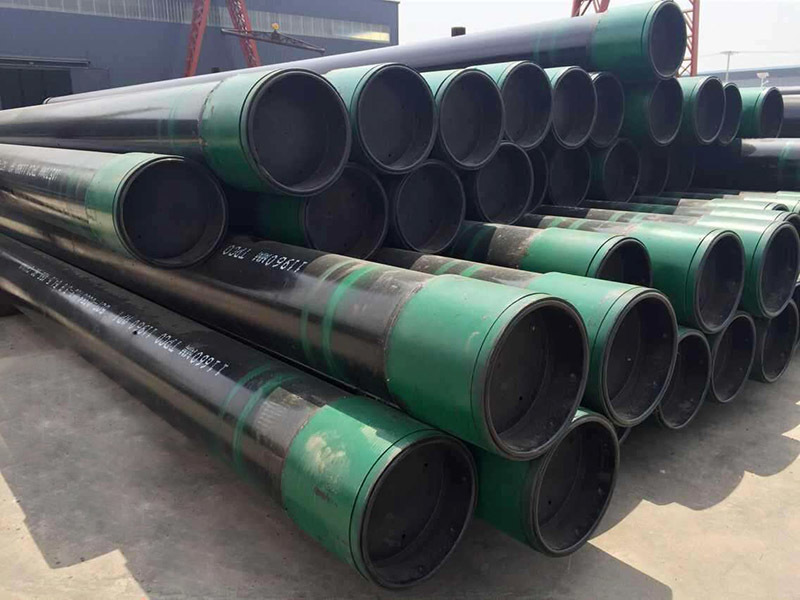
Oil casing pipes are essential components used in the drilling process of oil and gas wells. These pipes are specifically designed to provide structural support to the wellbore, ensuring that the drilled hole remains stable and safe during the extraction of hydrocarbons. The primary purpose of oil casing pipes is to prevent fluids from leaking into the surrounding environment and to maintain the integrity of the well throughout its operational life.
One of the key functions of oil casing pipes is to protect the well from collapse. When drilling a well, high-pressure conditions can cause the surrounding rock formations to become unstable. Oil casing pipes are inserted into the wellbore and cemented in place to provide a stable structure. This not only supports the well but also safeguards the surrounding environment from potential contamination due to oil spills or gas leaks.
There are several types of oil casing pipes, each designed for specific applications and geological conditions. The most common types include surface casing, intermediate casing, and production casing. Surface casing is typically the first layer installed and is designed to protect freshwater aquifers and provide structural support during the drilling of deeper sections. Intermediate casing is used when drilling through unstable formations, providing additional strength and stability. Production casing, on the other hand, is installed to facilitate the flow of oil and gas from the reservoir to the surface.
The material composition of oil casing pipes is another important factor to consider. Most oil casing pipes are made from carbon steel or alloy steel, which provides the necessary strength and resistance to corrosion. The selection of materials is critical, as it impacts the durability of the casing pipes under various environmental conditions, such as high temperatures and pressures.
In addition to their structural and protective functions, oil casing pipes are also integral to the overall efficiency of oil and gas extraction. They help to control pressure within the well, allowing for more efficient extraction processes. The use of advanced technologies in the manufacturing of these pipes has improved their performance and longevity, making them a key component in modern drilling operations.
Ultimately, understanding the characteristics and applications of oil casing pipes is essential for professionals in the construction and decorative materials industry, particularly those involved in pipeline systems. By ensuring the safe and efficient extraction of resources, these pipes contribute significantly to the success of drilling projects and the overall sustainability of the oil and gas industry.
One of the key functions of oil casing pipes is to protect the well from collapse. When drilling a well, high-pressure conditions can cause the surrounding rock formations to become unstable. Oil casing pipes are inserted into the wellbore and cemented in place to provide a stable structure. This not only supports the well but also safeguards the surrounding environment from potential contamination due to oil spills or gas leaks.
There are several types of oil casing pipes, each designed for specific applications and geological conditions. The most common types include surface casing, intermediate casing, and production casing. Surface casing is typically the first layer installed and is designed to protect freshwater aquifers and provide structural support during the drilling of deeper sections. Intermediate casing is used when drilling through unstable formations, providing additional strength and stability. Production casing, on the other hand, is installed to facilitate the flow of oil and gas from the reservoir to the surface.
The material composition of oil casing pipes is another important factor to consider. Most oil casing pipes are made from carbon steel or alloy steel, which provides the necessary strength and resistance to corrosion. The selection of materials is critical, as it impacts the durability of the casing pipes under various environmental conditions, such as high temperatures and pressures.
In addition to their structural and protective functions, oil casing pipes are also integral to the overall efficiency of oil and gas extraction. They help to control pressure within the well, allowing for more efficient extraction processes. The use of advanced technologies in the manufacturing of these pipes has improved their performance and longevity, making them a key component in modern drilling operations.
Ultimately, understanding the characteristics and applications of oil casing pipes is essential for professionals in the construction and decorative materials industry, particularly those involved in pipeline systems. By ensuring the safe and efficient extraction of resources, these pipes contribute significantly to the success of drilling projects and the overall sustainability of the oil and gas industry.
Key words:


Contact
E-mail:
Add:
Hope New District, Mengcun Hui Autonomous County,
Cangzhou City, Hebei Province


PRODUCT SEARCH
Search And Quickly Find The Products You Need
The main products include oil pipeline pipes, oil casing and various specifications of GB/T8162 structural pipes, GB8/T163 fluid pipes, GB/T3087 low and medium pressure boiler pipes, G/TB5310 high pressure boiler pipes, GB/T6479 fertilizer special pipes, etc.