
Essential Insights into Oil Line Pipes for Construction and Decoration Materials
Oil line pipes are critical components in various industrial applications, particularly within the construction and decoration materials sector. These pipes are primarily designed to transport oil and other related fluids, playing a vital role in ensuring the efficient flow of resources necessary for construction processes. Here, we’ll explore the essential aspects of oil line pipes, including the
May 02,2026

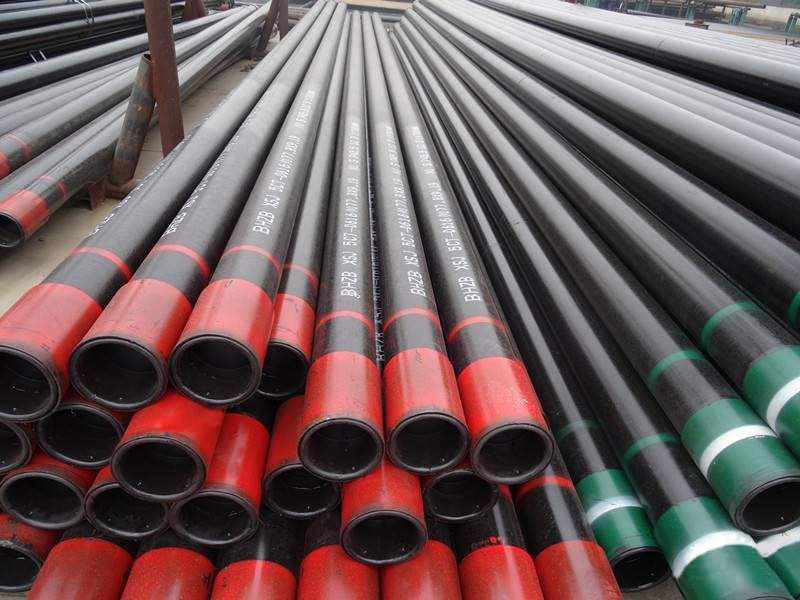
Oil line pipes are critical components in various industrial applications, particularly within the construction and decoration materials sector. These pipes are primarily designed to transport oil and other related fluids, playing a vital role in ensuring the efficient flow of resources necessary for construction processes. Here, we’ll explore the essential aspects of oil line pipes, including their materials, applications, and selection criteria.
One of the primary materials used in the manufacturing of oil line pipes is steel. Steel offers excellent strength and durability, making it suitable for high-pressure oil transportation. Additionally, galvanized steel is often employed to enhance corrosion resistance, which is crucial in environments where exposure to moisture and chemicals can lead to pipe degradation. Another common material is polyethylene, known for its lightweight properties and flexibility, which are beneficial in various construction scenarios.
In terms of applications, oil line pipes are not limited to the transportation of crude oil. They also facilitate the movement of refined oil products, such as gasoline and diesel, along with other viscous fluids used in construction. These pipes can be found in heating systems, where they are responsible for transferring heating oils to boilers and other heating equipment. Furthermore, they can be utilized in power generation and manufacturing processes that require reliable fluid transport.
When selecting the right oil line pipes for your projects, several factors must be considered. First and foremost, the pipe's diameter and wall thickness should align with the specific requirements of the project. Pipe size will significantly affect flow rates and pressure capabilities. Understanding the environmental conditions in which the pipes will be installed is also crucial; for instance, pipes exposed to harsher climates may require enhanced protective coatings or materials resistant to corrosion.
Another important consideration is regulatory compliance. Different regions may have specific regulations governing the transport of oil and other fluids, so it's essential to ensure that the selected oil line pipes meet these standards. Consulting with industry professionals or conducting thorough research can help navigate these requirements effectively.
In conclusion, oil line pipes are indispensable in the construction and decoration materials industry, providing essential infrastructure for fluid transportation. By understanding the materials, applications, and selection criteria associated with oil line pipes, professionals in the field can make informed decisions that enhance project efficiency and safety. Whether dealing with heating systems or complex fluid transport networks, the right choice of oil line pipes is crucial for successful outcomes.
One of the primary materials used in the manufacturing of oil line pipes is steel. Steel offers excellent strength and durability, making it suitable for high-pressure oil transportation. Additionally, galvanized steel is often employed to enhance corrosion resistance, which is crucial in environments where exposure to moisture and chemicals can lead to pipe degradation. Another common material is polyethylene, known for its lightweight properties and flexibility, which are beneficial in various construction scenarios.
In terms of applications, oil line pipes are not limited to the transportation of crude oil. They also facilitate the movement of refined oil products, such as gasoline and diesel, along with other viscous fluids used in construction. These pipes can be found in heating systems, where they are responsible for transferring heating oils to boilers and other heating equipment. Furthermore, they can be utilized in power generation and manufacturing processes that require reliable fluid transport.
When selecting the right oil line pipes for your projects, several factors must be considered. First and foremost, the pipe's diameter and wall thickness should align with the specific requirements of the project. Pipe size will significantly affect flow rates and pressure capabilities. Understanding the environmental conditions in which the pipes will be installed is also crucial; for instance, pipes exposed to harsher climates may require enhanced protective coatings or materials resistant to corrosion.
Another important consideration is regulatory compliance. Different regions may have specific regulations governing the transport of oil and other fluids, so it's essential to ensure that the selected oil line pipes meet these standards. Consulting with industry professionals or conducting thorough research can help navigate these requirements effectively.
In conclusion, oil line pipes are indispensable in the construction and decoration materials industry, providing essential infrastructure for fluid transportation. By understanding the materials, applications, and selection criteria associated with oil line pipes, professionals in the field can make informed decisions that enhance project efficiency and safety. Whether dealing with heating systems or complex fluid transport networks, the right choice of oil line pipes is crucial for successful outcomes.
Key words:


Contact
E-mail:
Add:
Hope New District, Mengcun Hui Autonomous County,
Cangzhou City, Hebei Province


PRODUCT SEARCH
Search And Quickly Find The Products You Need
The main products include oil pipeline pipes, oil casing and various specifications of GB/T8162 structural pipes, GB8/T163 fluid pipes, GB/T3087 low and medium pressure boiler pipes, G/TB5310 high pressure boiler pipes, GB/T6479 fertilizer special pipes, etc.