
Understanding Steel Line Pipes: Essential Insights for Construction and Decoration
Steel line pipes are a crucial component in various construction and decorative applications, primarily known for their durability and strength. These pipes are widely used in transporting liquids and gases, making them an integral part of pipeline systems in many industries, including oil and gas, water supply, and even in some decorative applications. Here’s an overview of steel line pipes, thei
Apr 28,2026

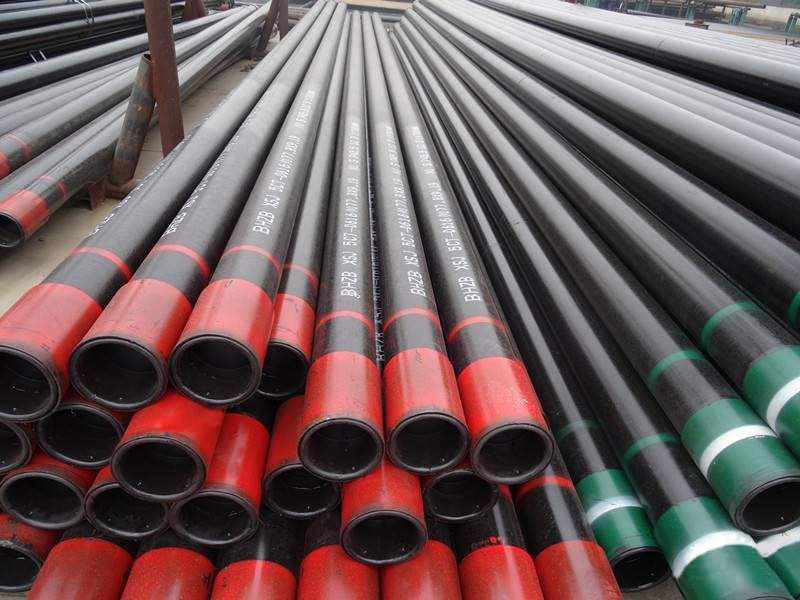
Steel line pipes are a crucial component in various construction and decorative applications, primarily known for their durability and strength. These pipes are widely used in transporting liquids and gases, making them an integral part of pipeline systems in many industries, including oil and gas, water supply, and even in some decorative applications. Here’s an overview of steel line pipes, their advantages, applications, and maintenance tips to help you understand their role better in your projects.
One of the primary benefits of steel line pipes is their outstanding strength. Steel is known for its high tensile strength, which allows it to withstand significant pressure and heavy loads. This makes steel line pipes particularly valuable in demanding environments, such as construction sites where pipes may be subjected to harsh conditions. Additionally, their resistance to corrosion when adequately coated or treated ensures a longer lifespan, reducing the need for frequent replacements.
In the context of construction and decorative materials, steel line pipes find diverse applications. They are commonly utilized in industrial applications for transporting water, oil, and natural gas. However, their aesthetic appeal has also led to their use in architectural and design projects. For instance, exposed steel pipes can add an industrial chic aesthetic to modern interiors, blending functionality with style. This trend is particularly popular in urban environments where raw materials are celebrated as part of the design ethos.
When it comes to selecting steel line pipes for your project, consider the size, thickness, and coating options available. The diameter of the pipe will depend on the application, whether it’s for transporting liquids or for decorative purposes. Additionally, options like galvanized or painted coatings can provide added protection against environmental factors, ensuring the longevity of the pipes.
Maintenance is another crucial aspect to consider when working with steel line pipes. Regular inspections can help identify any signs of corrosion or wear. Cleaning the surface and applying protective coatings as needed can also extend the life of the pipes. In decorative applications, keeping the pipes clean and well-maintained will ensure they continue to enhance the overall aesthetic of the space.
In summary, steel line pipes are a versatile choice for both practical and decorative uses in the construction industry. Their strength, durability, and aesthetic appeal make them an excellent investment for various applications. By understanding their properties, applications, and maintenance requirements, you can make informed decisions that will benefit your construction or decoration projects. Whether it’s for transporting essential materials or adding a unique design element, steel line pipes offer a reliable solution that stands the test of time.
One of the primary benefits of steel line pipes is their outstanding strength. Steel is known for its high tensile strength, which allows it to withstand significant pressure and heavy loads. This makes steel line pipes particularly valuable in demanding environments, such as construction sites where pipes may be subjected to harsh conditions. Additionally, their resistance to corrosion when adequately coated or treated ensures a longer lifespan, reducing the need for frequent replacements.
In the context of construction and decorative materials, steel line pipes find diverse applications. They are commonly utilized in industrial applications for transporting water, oil, and natural gas. However, their aesthetic appeal has also led to their use in architectural and design projects. For instance, exposed steel pipes can add an industrial chic aesthetic to modern interiors, blending functionality with style. This trend is particularly popular in urban environments where raw materials are celebrated as part of the design ethos.
When it comes to selecting steel line pipes for your project, consider the size, thickness, and coating options available. The diameter of the pipe will depend on the application, whether it’s for transporting liquids or for decorative purposes. Additionally, options like galvanized or painted coatings can provide added protection against environmental factors, ensuring the longevity of the pipes.
Maintenance is another crucial aspect to consider when working with steel line pipes. Regular inspections can help identify any signs of corrosion or wear. Cleaning the surface and applying protective coatings as needed can also extend the life of the pipes. In decorative applications, keeping the pipes clean and well-maintained will ensure they continue to enhance the overall aesthetic of the space.
In summary, steel line pipes are a versatile choice for both practical and decorative uses in the construction industry. Their strength, durability, and aesthetic appeal make them an excellent investment for various applications. By understanding their properties, applications, and maintenance requirements, you can make informed decisions that will benefit your construction or decoration projects. Whether it’s for transporting essential materials or adding a unique design element, steel line pipes offer a reliable solution that stands the test of time.
Key words:

Contact
E-mail:
Add:
Hope New District, Mengcun Hui Autonomous County,
Cangzhou City, Hebei Province


PRODUCT SEARCH
Search And Quickly Find The Products You Need
The main products include oil pipeline pipes, oil casing and various specifications of GB/T8162 structural pipes, GB8/T163 fluid pipes, GB/T3087 low and medium pressure boiler pipes, G/TB5310 high pressure boiler pipes, GB/T6479 fertilizer special pipes, etc.