
Understanding Oil Line Pipes: Essential Components for Efficient Pipeline Systems
---
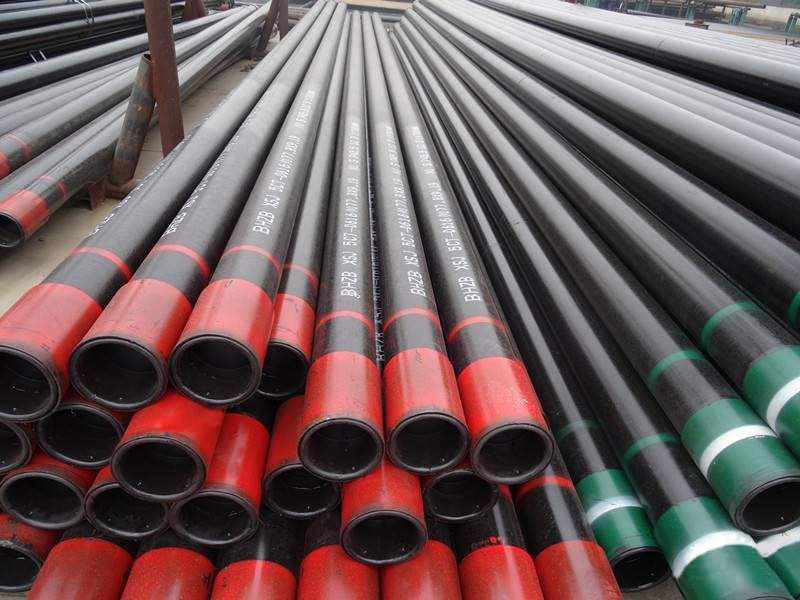
In the realm of construction and decoration materials, oil line pipes play a pivotal role in various pipeline systems, particularly in industries that rely on the transportation of oil and other fluids. These pipes are designed to safely and efficiently convey substances from one location to another, making them crucial for a range of applications.
Oil line pipes are typically made from materi
Apr 20,2026

---
In the realm of construction and decoration materials, oil line pipes play a pivotal role in various pipeline systems, particularly in industries that rely on the transportation of oil and other fluids. These pipes are designed to safely and efficiently convey substances from one location to another, making them crucial for a range of applications.
Oil line pipes are typically made from materials such as carbon steel, stainless steel, or specialized alloys, ensuring durability and resistance to corrosion. Their design allows them to withstand high pressures and temperatures, which are common in oil transportation. This resilience is vital as it minimizes the risk of leaks and failures, ensuring a continuous and safe flow of oil through the pipeline system.
One of the key considerations when selecting oil line pipes is their diameter and wall thickness. The size of the pipe will directly influence the flow rate of the oil, while the thickness must be adequate to handle the internal pressures exerted by the contents. Additionally, the choice of material will depend on the specific environmental conditions the pipes will be exposed to, such as temperature fluctuations and chemical reactions with the transported oil.
Another important aspect of oil line pipes is their installation and maintenance. Proper installation techniques are essential to ensure that the pipes fit securely and operate effectively within the system. This may involve welding, threading, or using flanges, depending on the configuration of the pipeline. Regular maintenance is also critical, as it helps to identify potential issues before they escalate into significant problems, safeguarding both the infrastructure and the environment.
Furthermore, regulations and standards play a vital role in the oil line pipe industry. Compliance with these guidelines ensures that the materials used are safe and that the installation methods are up to industry standards. This not only protects workers and the public but also contributes to the sustainability of the pipeline systems.
In conclusion, oil line pipes are fundamental components of modern pipeline systems, particularly in the construction and decoration materials industry. Their robustness, proper sizing, and adherence to regulations are crucial for ensuring safe and efficient transportation of oil. For professionals in the field, understanding the nuances of oil line pipes can significantly impact the performance and reliability of their pipeline solutions, leading to long-term benefits and enhanced operational efficiency.
In the realm of construction and decoration materials, oil line pipes play a pivotal role in various pipeline systems, particularly in industries that rely on the transportation of oil and other fluids. These pipes are designed to safely and efficiently convey substances from one location to another, making them crucial for a range of applications.
Oil line pipes are typically made from materials such as carbon steel, stainless steel, or specialized alloys, ensuring durability and resistance to corrosion. Their design allows them to withstand high pressures and temperatures, which are common in oil transportation. This resilience is vital as it minimizes the risk of leaks and failures, ensuring a continuous and safe flow of oil through the pipeline system.
One of the key considerations when selecting oil line pipes is their diameter and wall thickness. The size of the pipe will directly influence the flow rate of the oil, while the thickness must be adequate to handle the internal pressures exerted by the contents. Additionally, the choice of material will depend on the specific environmental conditions the pipes will be exposed to, such as temperature fluctuations and chemical reactions with the transported oil.
Another important aspect of oil line pipes is their installation and maintenance. Proper installation techniques are essential to ensure that the pipes fit securely and operate effectively within the system. This may involve welding, threading, or using flanges, depending on the configuration of the pipeline. Regular maintenance is also critical, as it helps to identify potential issues before they escalate into significant problems, safeguarding both the infrastructure and the environment.
Furthermore, regulations and standards play a vital role in the oil line pipe industry. Compliance with these guidelines ensures that the materials used are safe and that the installation methods are up to industry standards. This not only protects workers and the public but also contributes to the sustainability of the pipeline systems.
In conclusion, oil line pipes are fundamental components of modern pipeline systems, particularly in the construction and decoration materials industry. Their robustness, proper sizing, and adherence to regulations are crucial for ensuring safe and efficient transportation of oil. For professionals in the field, understanding the nuances of oil line pipes can significantly impact the performance and reliability of their pipeline solutions, leading to long-term benefits and enhanced operational efficiency.
Key words:
PREVIOUS:


Contact
E-mail:
Add:
Hope New District, Mengcun Hui Autonomous County,
Cangzhou City, Hebei Province


PRODUCT SEARCH
Search And Quickly Find The Products You Need
The main products include oil pipeline pipes, oil casing and various specifications of GB/T8162 structural pipes, GB8/T163 fluid pipes, GB/T3087 low and medium pressure boiler pipes, G/TB5310 high pressure boiler pipes, GB/T6479 fertilizer special pipes, etc.