
Exploring the Cost-Effectiveness of Steel Line Pipe in Construction: A Comprehensive Guide
Exploring the Cost-Effectiveness of Steel Line Pipe in Construction
Table of Contents
1. Introduction to Steel Line Pipes
2. Benefits of Using Steel Line Pipes
3. Cost Analysis of Steel Line Pipes
3.1 Upfront Costs
3.2 Long-Term Savings
4. Installation Considerations
5. Maintenance and Durability
6. Environmental Impact of Steel Li
Apr 21,2026

Exploring the Cost-Effectiveness of Steel Line Pipe in Construction
Table of Contents
- 1. Introduction to Steel Line Pipes
- 2. Benefits of Using Steel Line Pipes
- 3. Cost Analysis of Steel Line Pipes
- 4. Installation Considerations
- 5. Maintenance and Durability
- 6. Environmental Impact of Steel Line Pipes
- 7. Case Studies: Steel Line Pipe in Action
- 8. Conclusion
- 9. Frequently Asked Questions
1. Introduction to Steel Line Pipes
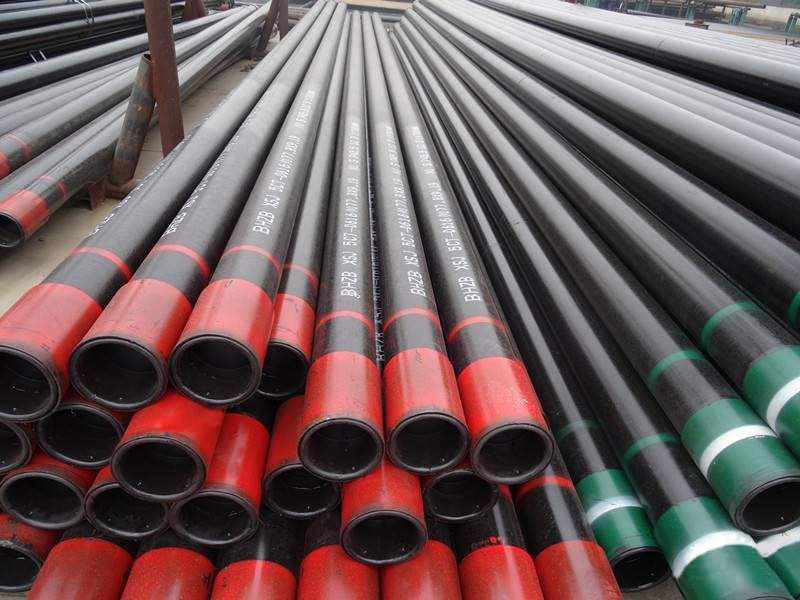
Steel line pipes are essential components in various construction and industrial applications. They are primarily used for transporting fluids, gases, and other materials within a pipeline system. Known for their durability and strength, steel line pipes offer a reliable solution for various construction needs. In this article, we will explore the cost-effectiveness of using steel line pipes, examining their benefits, installation considerations, and long-term impact on construction projects.
2. Benefits of Using Steel Line Pipes
2.1 High Strength and Durability
Steel line pipes are renowned for their **superior strength** compared to other materials like PVC or copper. They can withstand high pressure and temperature fluctuations, making them ideal for harsh environments. This durability translates to a **longer lifespan**, reducing the need for frequent replacements.
2.2 Versatility
Steel pipes can be used in a variety of applications, including water supply, oil and gas transportation, and wastewater management. Their **versatility** makes them suitable for numerous construction projects, adapting easily to different requirements.
2.3 Cost-Effectiveness Over Time
Although the initial investment in steel line pipes might be higher than alternatives, their **long-term cost-effectiveness** is significant. The reduced maintenance costs and extended lifespan can lead to lower overall expenditures in the long run.
3. Cost Analysis of Steel Line Pipes
3.1 Upfront Costs
The upfront costs of steel line pipes include the price of materials, installation labor, and any additional fittings or accessories required. While these costs can be higher than those associated with plastic piping, it is crucial to factor in the **long-term investment** aspect.
3.2 Long-Term Savings
The long-term savings associated with steel line pipes stem from their durability and lower maintenance requirements. For instance, steel pipes are less prone to damage from external factors compared to plastic alternatives, which can crack or degrade over time. Additionally, the ability to handle higher pressure reduces the risk of accidental leaks, further minimizing potential repair costs.
4. Installation Considerations
When installing steel line pipes, several factors must be considered. These include:
4.1 Site Preparation
Proper site preparation is essential to ensure the longevity of the piping system. The ground must be adequately leveled and compacted, reducing the risk of shifting or settling over time.
4.2 Skilled Labor
The installation of steel line pipes typically requires skilled labor to ensure proper handling and welding techniques. It's important to hire professionals who have experience with steel pipe installation to avoid complications down the line.
4.3 Safety Protocols
Given the heavy nature of steel line pipes, adhering to safety protocols during installation is paramount. Proper lifting techniques and the use of safety equipment are essential to prevent accidents.
5. Maintenance and Durability
Steel line pipes require minimal maintenance, which contributes to their cost-effectiveness. Regular inspections can help identify any potential issues early, but overall, the durability of steel pipes means they can withstand the rigors of various environmental conditions.
5.1 Corrosion Resistance
Modern steel line pipes often come with protective coatings to enhance corrosion resistance, which extends their lifespan and reduces maintenance costs. Regular maintenance checks can help ensure these coatings remain intact.
5.2 Repair Options
If a steel line pipe does sustain damage, repair options are straightforward. Welding can be used to address any leaks or cracks, allowing for rapid restoration without the need for complete replacement.
6. Environmental Impact of Steel Line Pipes
The production and use of steel line pipes have significant environmental considerations. Steel is a recyclable material, contributing positively to sustainability efforts when pipes are decommissioned. Additionally, the durability of steel lines minimizes the environmental impact associated with frequent replacements seen in other materials.
6.1 Energy Efficiency
Steel line pipes can facilitate energy-efficient fluid transportation, reducing the overall carbon footprint of industrial processes. Their ability to withstand high pressures without leaks contributes to reduced energy loss.
6.2 Sustainable Practices
Utilizing steel piping in construction aligns with sustainable practices, as steel can be recycled indefinitely without losing its properties. This practice supports the circular economy and minimizes waste.
7. Case Studies: Steel Line Pipe in Action
Several construction projects have successfully implemented steel line pipes, showcasing their effectiveness in various environments.
7.1 Oil and Gas Infrastructure
In the oil and gas industry, steel line pipes have proven invaluable for transporting crude oil and natural gas. Their ability to handle high pressures and resist corrosion has made them the preferred choice for this sector.
7.2 Water Distribution Systems
Municipal water systems have increasingly turned to steel line pipes for their durability and reliability. Case studies show that cities using steel pipes have experienced fewer leaks and maintenance issues compared to those relying on plastic alternatives.
8. Conclusion
Steel line pipes present a compelling option for construction projects focused on **cost-effectiveness, durability, and versatility**. Although they may require a higher initial investment, their long-term benefits, including reduced maintenance costs and increased lifespan, offer substantial value. As the industry continues to prioritize sustainable practices, steel line pipes remain a top choice for those looking to optimize their construction strategies.
9. Frequently Asked Questions
9.1 What are the primary applications for steel line pipes?
Steel line pipes are commonly used in oil and gas transportation, water supply systems, and wastewater management due to their strength and durability.
9.2 How do steel line pipes compare to plastic pipes?
While plastic pipes are often cheaper initially, steel line pipes offer greater durability, longevity, and resistance to environmental factors, making them more cost-effective over time.
9.3 What is the typical lifespan of steel line pipes?
The lifespan of steel line pipes can exceed 50 years with proper installation and maintenance, making them a long-term investment.
9.4 Are steel line pipes environmentally friendly?
Yes, steel line pipes are recyclable and have a lower environmental impact due to their durability, which reduces the need for frequent replacements.
9.5 What are the maintenance requirements for steel line pipes?
Steel line pipes require minimal maintenance, primarily focusing on regular inspections for corrosion and structural integrity. Repair options, such as welding, can address any issues that arise.
This comprehensive guide highlights the advantages of steel line pipes, ensuring that construction professionals can make informed decisions regarding their use in various projects.
Key words:


Contact
E-mail:
Add:
Hope New District, Mengcun Hui Autonomous County,
Cangzhou City, Hebei Province


PRODUCT SEARCH
Search And Quickly Find The Products You Need
The main products include oil pipeline pipes, oil casing and various specifications of GB/T8162 structural pipes, GB8/T163 fluid pipes, GB/T3087 low and medium pressure boiler pipes, G/TB5310 high pressure boiler pipes, GB/T6479 fertilizer special pipes, etc.