
The Importance of Quality in Oil Pipeline Seamless Pipe Selection: Ensuring Safety and Efficiency
The Importance of Quality in Oil Pipeline Seamless Pipe Selection
Understanding Seamless Pipes in Oil Pipelines
Seamless pipes play a vital role in the oil and gas sector, particularly in pipeline systems. Unlike welded pipes, seamless pipes are manufactured without any joints. This manufacturing process results in a product that boasts higher strength and durability, making it an ideal choice for
Apr 19,2026
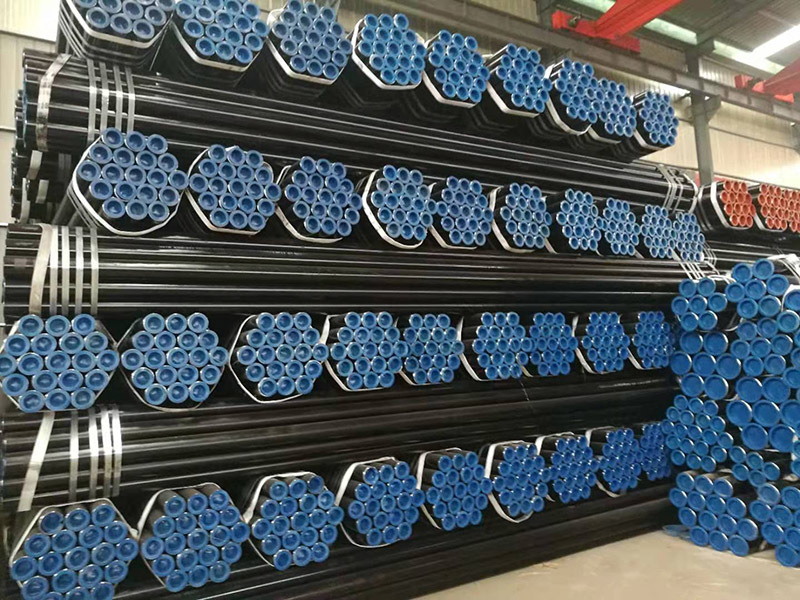
The Importance of Quality in Oil Pipeline Seamless Pipe Selection
Understanding Seamless Pipes in Oil Pipelines
Seamless pipes play a vital role in the oil and gas sector, particularly in pipeline systems. Unlike welded pipes, seamless pipes are manufactured without any joints. This manufacturing process results in a product that boasts higher strength and durability, making it an ideal choice for transporting oil and other fluids under high pressure and temperature conditions.
What Makes Seamless Pipes Essential?
Seamless pipes are favored for several reasons:
1. **Strength and Reliability**: The absence of welds means there are no weak points, resulting in superior structural integrity. This quality is paramount when dealing with the immense pressures found within oil pipelines.
2. **Resistance to Corrosion**: High-quality seamless pipes are often coated or treated to resist corrosion, which is critical in oil transport.
3. **Reduced Maintenance Costs**: With fewer joints and a lower likelihood of leaks, seamless pipes can reduce long-term maintenance expenses.
4. **Improved Flow Efficiency**: The smooth interior surface of seamless pipes minimizes turbulence and enhances fluid flow.
Key Factors Influencing Quality Selection
When selecting seamless pipes for oil pipelines, several factors must be considered to ensure quality:
Material Composition
The material used in seamless pipe manufacturing significantly affects its performance. Common materials include:
- **Carbon Steel**: Known for strength and versatility, carbon steel is frequently used for oil pipelines due to its excellent mechanical properties.
- **Alloy Steel**: This material offers enhanced resistance to temperature and pressure variations, making it suitable for more demanding applications.
- **Stainless Steel**: For corrosive environments, stainless steel pipes are the preferred choice due to their resistance to rust and chemical attack.
Manufacturing Standards and Certifications
Quality assurance begins with adhering to established manufacturing standards. Look for seamless pipes certified by organizations such as:
- **American Petroleum Institute (API)**: API standards ensure pipes meet specific performance and safety criteria.
- **International Organization for Standardization (ISO)**: ISO certifications guarantee quality management systems are in place.
Always verify that the supplier provides documentation supporting compliance with these standards.
Testing and Inspection Procedures
Rigorous testing is crucial to ensure the quality and safety of seamless pipes. Key testing methods include:
- **Ultrasonic Testing (UT)**: This non-destructive testing method evaluates the integrity of the pipe and identifies any internal defects.
- **Hydrostatic Testing**: Pipes are subjected to high-pressure water tests to assess their strength and leak resistance.
- **Visual Inspections**: Regular inspections can help detect surface flaws that may compromise the pipe's integrity.
Cost vs. Quality: Making the Right Decision
While it may be tempting to choose cheaper options, compromising on quality can lead to catastrophic failures, environmental disasters, and significant financial losses. Investing in high-quality seamless pipes ultimately saves costs associated with repairs, replacements, and legal liabilities.
The Long-Term Advantages of Quality Seamless Pipes
1. **Longevity**: Quality seamless pipes have a longer lifespan, reducing the need for frequent replacements.
2. **Safety**: High-quality materials and construction reduce the risk of leaks and failures, protecting both personnel and the environment.
3. **Performance**: Consistent performance under varying conditions ensures a reliable oil supply and operational efficiency.
Environmental Considerations and Regulations
In today's world, environmental awareness is critical. The oil and gas industry faces stringent regulations aimed at minimizing environmental impact. Quality seamless pipe selection can help companies comply with these regulations by reducing the risk of leaks and spills.
Green Certifications and Sustainable Practices
Opting for suppliers with green certifications or those who follow sustainable practices can enhance your company's reputation while contributing to environmental conservation.
Best Practices for Selecting Seamless Pipes
To ensure optimal quality in seamless pipe selection, consider the following best practices:
1. Conduct Thorough Research
Investigate suppliers and manufacturers. Read reviews, and request references to ensure they have a positive reputation in the industry.
2. Prioritize Certifications and Compliance
Always prioritize suppliers who adhere to industry standards and possess the necessary certifications.
3. Collaborate with Industry Experts
Engage with professionals who specialize in pipeline design and material selection. Their expertise can guide you toward the best choices for your specific needs.
4. Evaluate Lifecycle Costs
Consider the total cost of ownership rather than just the purchase price. High-quality seamless pipes may come at a premium but offer cost savings in the long run.
FAQs About Seamless Pipe Selection in Oil Pipelines
Q1: What is the main advantage of seamless pipes over welded pipes?
A1: The primary advantage is the lack of welds, which eliminates weak points, resulting in greater strength and durability under high pressure.
Q2: How can I determine if a seamless pipe is of high quality?
A2: Look for relevant certifications, conduct testing and inspections, and choose reputable suppliers with a proven track record.
Q3: What testing methods should be used for seamless pipes?
A3: Key testing methods include ultrasonic testing, hydrostatic testing, and visual inspections to assess integrity and performance.
Q4: Are there specific materials recommended for seamless pipes in oil pipelines?
A4: Yes, carbon steel, alloy steel, and stainless steel are commonly used materials, each offering unique advantages based on the application.
Q5: How does environmental regulation impact seamless pipe selection?
A5: Environmental regulations require companies to minimize leakage risks. Selecting high-quality seamless pipes helps comply with these regulations and reduces environmental impact.
Conclusion
Selecting high-quality seamless pipes for oil pipeline systems is an essential decision that impacts safety, efficiency, and environmental responsibility. By understanding the factors influencing quality, adhering to industry standards, and committing to best practices, we can ensure the integrity and performance of our pipeline systems. Investing in quality seamless pipes not only protects our assets but also contributes to a safer and more sustainable future in the oil and gas industry.
Key words:


Contact
E-mail:
Add:
Hope New District, Mengcun Hui Autonomous County,
Cangzhou City, Hebei Province


PRODUCT SEARCH
Search And Quickly Find The Products You Need
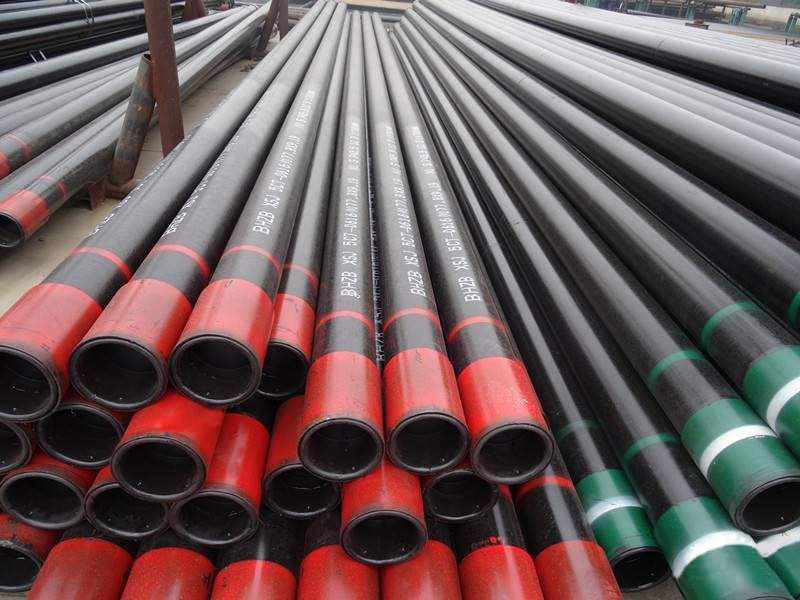
The main products include oil pipeline pipes, oil casing and various specifications of GB/T8162 structural pipes, GB8/T163 fluid pipes, GB/T3087 low and medium pressure boiler pipes, G/TB5310 high pressure boiler pipes, GB/T6479 fertilizer special pipes, etc.