
Understanding Oil Casing Pipes: Essential Components in Pipeline Systems
Oil casing pipes are an essential component in the construction of pipeline systems, particularly in the extraction and transportation of oil and natural gas. These pipes are designed to provide structural integrity and protect the integrity of the wellbore during drilling operations. Understanding the characteristics and functionalities of oil casing pipes is crucial for anyone working in the con
Apr 18,2026
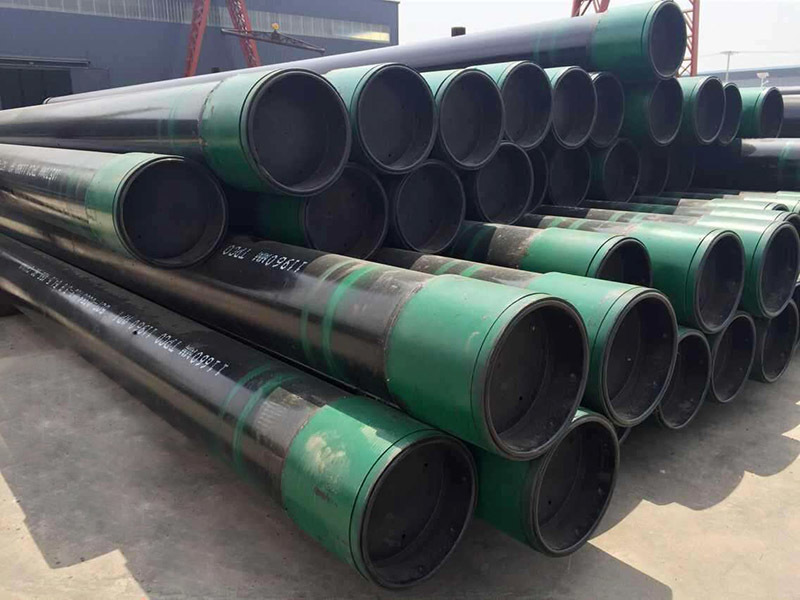
Oil casing pipes are an essential component in the construction of pipeline systems, particularly in the extraction and transportation of oil and natural gas. These pipes are designed to provide structural integrity and protect the integrity of the wellbore during drilling operations. Understanding the characteristics and functionalities of oil casing pipes is crucial for anyone working in the construction and building materials industry.
The primary function of oil casing pipes is to line the borehole created during drilling. This lining helps to prevent the collapse of the well and protects the surrounding geological formations from contamination. Additionally, oil casing pipes serve to isolate different pressure zones within the well, ensuring that fluids can be safely transported to the surface without mixing with other formations.
Oil casing pipes are made from various materials, including carbon steel and stainless steel, which offer durability and resistance to corrosion. The choice of material is crucial, as it influences the pipe's lifespan and performance in harsh environments. There are also different grades of casing pipes, categorized based on their strength and resistance to pressure. These grades are essential in determining their suitability for specific applications within the pipeline system.
In terms of types, oil casing pipes typically include surface casing, intermediate casing, and production casing. Surface casing is the first set of pipes installed, providing initial support and protection for the borehole. Intermediate casing is used to provide additional support at various depths, while production casing is installed to facilitate the extraction of oil and gas from the well.
The installation process of oil casing pipes requires precision and expertise. Proper installation techniques ensure that the pipes are securely positioned within the wellbore, minimizing the risk of leaks or failures. It's also vital to monitor the integrity of the casing pipes throughout their operational life, as any damage or wear can compromise the safety and efficiency of the entire pipeline system.
Apart from their use in oil and gas extraction, oil casing pipes are also utilized in other applications, such as geothermal energy projects and environmental remediation. Their versatility and reliability make them a key component in various pipeline systems.
In conclusion, oil casing pipes are pivotal in maintaining the structural integrity and safety of pipeline systems. Understanding their types, materials, and applications can help professionals in the construction and building materials industry make informed decisions regarding their use. As pipeline technology continues to evolve, staying updated on the latest advancements in oil casing pipes will be essential for ensuring efficient and safe operations in the field.
The primary function of oil casing pipes is to line the borehole created during drilling. This lining helps to prevent the collapse of the well and protects the surrounding geological formations from contamination. Additionally, oil casing pipes serve to isolate different pressure zones within the well, ensuring that fluids can be safely transported to the surface without mixing with other formations.
Oil casing pipes are made from various materials, including carbon steel and stainless steel, which offer durability and resistance to corrosion. The choice of material is crucial, as it influences the pipe's lifespan and performance in harsh environments. There are also different grades of casing pipes, categorized based on their strength and resistance to pressure. These grades are essential in determining their suitability for specific applications within the pipeline system.
In terms of types, oil casing pipes typically include surface casing, intermediate casing, and production casing. Surface casing is the first set of pipes installed, providing initial support and protection for the borehole. Intermediate casing is used to provide additional support at various depths, while production casing is installed to facilitate the extraction of oil and gas from the well.
The installation process of oil casing pipes requires precision and expertise. Proper installation techniques ensure that the pipes are securely positioned within the wellbore, minimizing the risk of leaks or failures. It's also vital to monitor the integrity of the casing pipes throughout their operational life, as any damage or wear can compromise the safety and efficiency of the entire pipeline system.
Apart from their use in oil and gas extraction, oil casing pipes are also utilized in other applications, such as geothermal energy projects and environmental remediation. Their versatility and reliability make them a key component in various pipeline systems.
In conclusion, oil casing pipes are pivotal in maintaining the structural integrity and safety of pipeline systems. Understanding their types, materials, and applications can help professionals in the construction and building materials industry make informed decisions regarding their use. As pipeline technology continues to evolve, staying updated on the latest advancements in oil casing pipes will be essential for ensuring efficient and safe operations in the field.
Key words:
PREVIOUS:


Contact
E-mail:
Add:
Hope New District, Mengcun Hui Autonomous County,
Cangzhou City, Hebei Province


PRODUCT SEARCH
Search And Quickly Find The Products You Need
The main products include oil pipeline pipes, oil casing and various specifications of GB/T8162 structural pipes, GB8/T163 fluid pipes, GB/T3087 low and medium pressure boiler pipes, G/TB5310 high pressure boiler pipes, GB/T6479 fertilizer special pipes, etc.