
Understanding Oil Line Pipes: Essential Components for Efficient Fluid Transport
Oil line pipes are critical components in a variety of industrial and commercial applications, particularly in the construction and decorative materials sector. These pipes are specifically designed to transport oil and other fluids safely and efficiently, making them an indispensable part of many piping systems. Understanding the characteristics, materials, and applications of oil line pipes can
Apr 10,2026
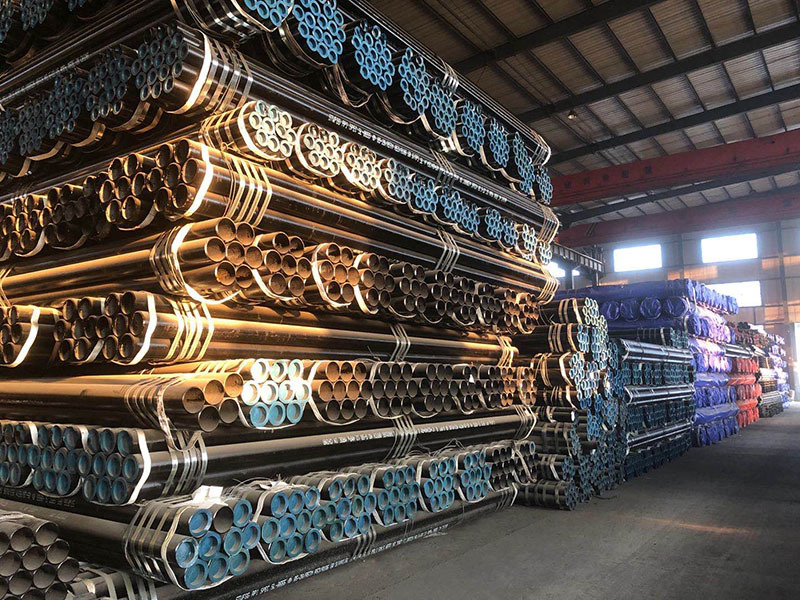
Oil line pipes are critical components in a variety of industrial and commercial applications, particularly in the construction and decorative materials sector. These pipes are specifically designed to transport oil and other fluids safely and efficiently, making them an indispensable part of many piping systems. Understanding the characteristics, materials, and applications of oil line pipes can help professionals make informed decisions about their projects and ensure optimal performance.
The primary function of oil line pipes is to facilitate the movement of oil from one location to another. They are engineered to withstand the pressures associated with fluid transport while minimizing the risk of leaks. Typically made from durable materials such as stainless steel, carbon steel, or specialized polymers, these pipes are designed to endure harsh environmental conditions, including exposure to corrosive substances and extreme temperatures.
In the construction industry, oil line pipes are commonly used in various applications, including heating systems, fuel distribution, and lubrication systems. Their robust construction ensures that they can handle the demands of high-pressure and high-temperature environments, making them suitable for both residential and industrial settings. Additionally, oil line pipes are often employed in decorative applications, where functionality meets aesthetics, ensuring that they blend seamlessly with architectural designs while performing reliably.
One of the key considerations when selecting oil line pipes is the appropriate diameter and wall thickness. The choice of size greatly affects the flow rate and pressure drop of the transported fluid. A well-chosen oil line pipe will promote efficient fluid transport while minimizing energy losses. Moreover, it is essential to adhere to industry standards and regulations when installing oil line pipes to ensure safety and compliance.
Another important aspect of oil line pipes is their maintenance. Regular inspections and preventive maintenance can extend the lifespan of these pipes and enhance their performance. Operators should be vigilant in identifying signs of wear, corrosion, or damage, as early detection can prevent costly repairs and downtime.
In summary, oil line pipes play a pivotal role in the construction and decorative materials industry, supporting a wide array of applications from heating to fuel transport. Their durability, efficiency, and adaptability make them a vital component of modern piping systems. By understanding the intricacies of oil line pipes, professionals can leverage their advantages to improve project outcomes and ensure reliability in fluid transport operations. When considering oil line pipes for your next project, remember to evaluate materials, dimensions, and maintenance practices to optimize performance and safety.
The primary function of oil line pipes is to facilitate the movement of oil from one location to another. They are engineered to withstand the pressures associated with fluid transport while minimizing the risk of leaks. Typically made from durable materials such as stainless steel, carbon steel, or specialized polymers, these pipes are designed to endure harsh environmental conditions, including exposure to corrosive substances and extreme temperatures.
In the construction industry, oil line pipes are commonly used in various applications, including heating systems, fuel distribution, and lubrication systems. Their robust construction ensures that they can handle the demands of high-pressure and high-temperature environments, making them suitable for both residential and industrial settings. Additionally, oil line pipes are often employed in decorative applications, where functionality meets aesthetics, ensuring that they blend seamlessly with architectural designs while performing reliably.
One of the key considerations when selecting oil line pipes is the appropriate diameter and wall thickness. The choice of size greatly affects the flow rate and pressure drop of the transported fluid. A well-chosen oil line pipe will promote efficient fluid transport while minimizing energy losses. Moreover, it is essential to adhere to industry standards and regulations when installing oil line pipes to ensure safety and compliance.
Another important aspect of oil line pipes is their maintenance. Regular inspections and preventive maintenance can extend the lifespan of these pipes and enhance their performance. Operators should be vigilant in identifying signs of wear, corrosion, or damage, as early detection can prevent costly repairs and downtime.
In summary, oil line pipes play a pivotal role in the construction and decorative materials industry, supporting a wide array of applications from heating to fuel transport. Their durability, efficiency, and adaptability make them a vital component of modern piping systems. By understanding the intricacies of oil line pipes, professionals can leverage their advantages to improve project outcomes and ensure reliability in fluid transport operations. When considering oil line pipes for your next project, remember to evaluate materials, dimensions, and maintenance practices to optimize performance and safety.
Key words:


Contact
E-mail:
Add:
Hope New District, Mengcun Hui Autonomous County,
Cangzhou City, Hebei Province


PRODUCT SEARCH
Search And Quickly Find The Products You Need
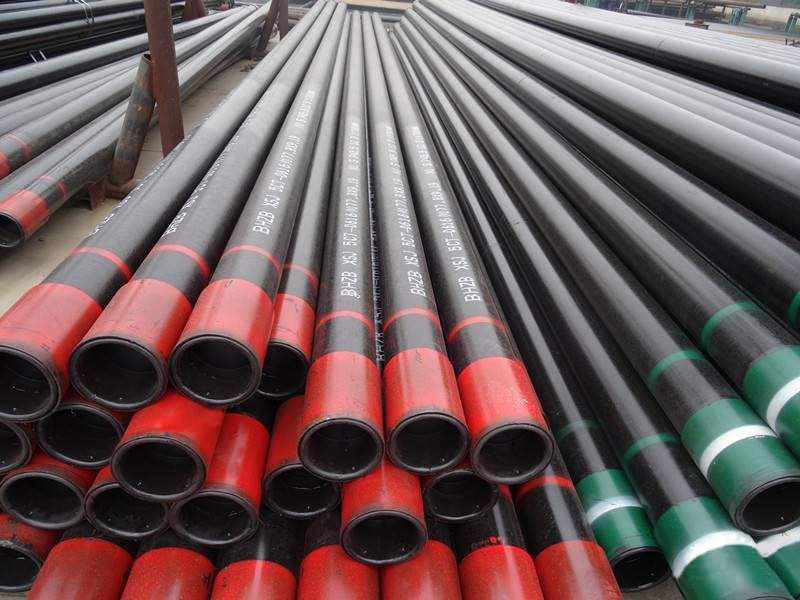
The main products include oil pipeline pipes, oil casing and various specifications of GB/T8162 structural pipes, GB8/T163 fluid pipes, GB/T3087 low and medium pressure boiler pipes, G/TB5310 high pressure boiler pipes, GB/T6479 fertilizer special pipes, etc.