
Oil Pipeline Seamless Pipe: Advancing Safety and Efficiency in Global Energy Transportation
Apr 10,2026

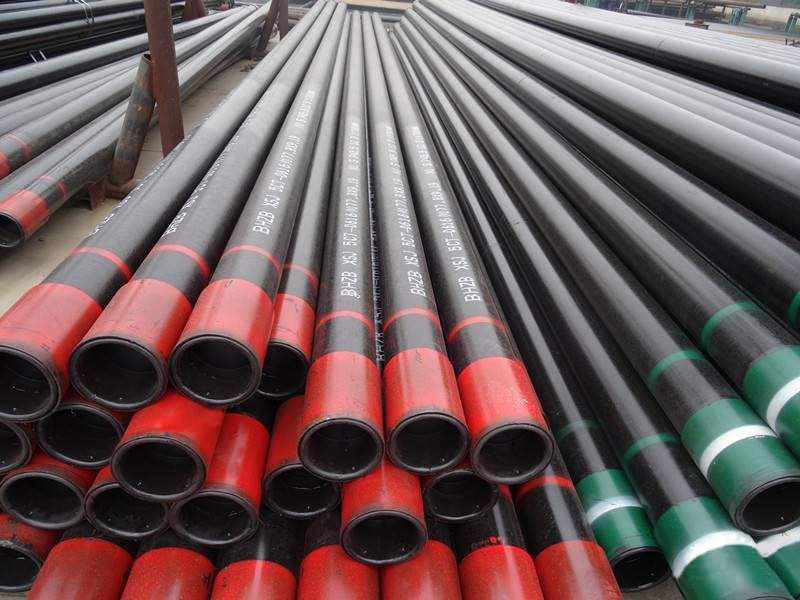
Oil pipeline seamless pipe continues to play a critical role in the global energy industry, supporting the safe and efficient transportation of crude oil and refined petroleum products. As energy demand rises and infrastructure expands across continents, the importance of high-quality pipeline materials has become more evident than ever. Seamless pipes, known for their superior mechanical properties and structural integrity, are now widely recognized as the preferred choice for modern pipeline systems.
Unlike welded pipes, seamless pipes are manufactured without joints or seams, resulting in a uniform structure that significantly enhances strength and durability. This manufacturing process eliminates potential weak points, reducing the risk of leaks or failures under high pressure and extreme environmental conditions. As pipelines often operate across challenging terrains—including deserts, deep-sea environments, and arctic regions—the reliability of seamless pipes is essential for maintaining uninterrupted energy supply.
One of the key advantages of oil pipeline seamless pipe is its exceptional resistance to pressure and temperature variations. Oil and gas transportation systems frequently encounter fluctuating operating conditions, requiring materials that can withstand thermal expansion, corrosion, and mechanical stress. Seamless pipes are typically produced from high-grade carbon steel or alloy steel, offering enhanced performance in both high-temperature and low-temperature environments. This ensures long-term stability and minimizes the risk of costly maintenance or operational disruptions.
Corrosion resistance is another critical factor driving the adoption of seamless pipes in the oil industry. Pipelines are often exposed to moisture, chemicals, and corrosive substances that can degrade materials over time. To address this challenge, manufacturers apply advanced coatings, linings, and anti-corrosion treatments to extend service life. In addition, innovations in metallurgy have led to the development of corrosion-resistant alloys that further improve durability in harsh conditions.
The efficiency of fluid transportation is also significantly improved with seamless pipes. Their smooth internal surfaces reduce friction, allowing oil to flow more easily through the pipeline. This not only enhances overall transport efficiency but also reduces energy consumption during pumping operations. Over long distances, even small improvements in flow efficiency can result in substantial cost savings for energy companies.
Customization has become a major trend in the seamless pipe industry, as different projects require specific dimensions, grades, and performance characteristics. Manufacturers now offer tailored solutions to meet the unique needs of various applications, whether it is ultra-deep offshore drilling or high-capacity onshore pipelines. Advanced production technologies enable precise control over wall thickness, diameter, and material composition, ensuring optimal performance for each project.
In recent years, the integration of digital technologies has further improved the quality and reliability of oil pipeline seamless pipes. Smart manufacturing systems, automated inspection processes, and non-destructive testing methods are increasingly used to ensure product consistency and detect potential defects before installation. These innovations contribute to higher safety standards and reduce the likelihood of pipeline failures.
Real-world applications demonstrate the value of seamless pipes in large-scale energy projects. Major pipeline networks across North America, the Middle East, and Asia rely heavily on seamless pipe technology to transport vast quantities of oil over long distances. In offshore environments, where maintenance and repair are particularly challenging, the durability of seamless pipes is especially important. Their ability to withstand high pressure and corrosive seawater conditions makes them indispensable for subsea pipelines.
Despite their many advantages, seamless pipes typically come with higher initial costs compared to welded alternatives. However, industry experts emphasize that the long-term benefits—such as reduced maintenance, increased safety, and extended service life—often outweigh the upfront investment. As environmental regulations become stricter and safety standards continue to rise, the demand for high-quality seamless pipes is expected to grow steadily.
Looking ahead, the future of oil pipeline seamless pipe is closely tied to advancements in material science and sustainable engineering. Researchers are exploring new alloys, improved coating technologies, and more energy-efficient manufacturing processes to further enhance performance and reduce environmental impact. Additionally, as the global energy landscape evolves, seamless pipes may also play a role in transporting alternative fuels such as hydrogen, expanding their relevance beyond traditional oil and gas applications.
In conclusion, oil pipeline seamless pipe remains a cornerstone of modern energy infrastructure. Its unmatched strength, durability, and efficiency make it a vital component in ensuring safe and reliable oil transportation worldwide. As technology continues to advance, seamless pipes will remain at the forefront of innovation, supporting the evolving needs of the global energy industry.
Key words:


Contact
E-mail:
Add:
Hope New District, Mengcun Hui Autonomous County,
Cangzhou City, Hebei Province


PRODUCT SEARCH
Search And Quickly Find The Products You Need
The main products include oil pipeline pipes, oil casing and various specifications of GB/T8162 structural pipes, GB8/T163 fluid pipes, GB/T3087 low and medium pressure boiler pipes, G/TB5310 high pressure boiler pipes, GB/T6479 fertilizer special pipes, etc.