
Why Seamless Pipes Are the Future of Oil Pipeline Construction
Apr 09,2026

Why Seamless Pipes Are the Future of Oil Pipeline Construction
In the realm of oil pipeline construction, the choice of materials can significantly impact overall performance, safety, and efficiency. Among the various options available, **seamless pipes** have increasingly emerged as the preferred choice for industry professionals. This article delves into the myriad advantages of seamless pipes, exploring their role in future-proofing oil pipeline infrastructure.
Table of Contents
- 1. Understanding Seamless Pipes
- 2. The Benefits of Seamless Pipes in Oil Pipeline Construction
- 2.1 Enhanced Strength and Durability
- 2.2 Improved Flow Efficiency
- 2.3 Resistance to Corrosion
- 2.4 Reduced Risk of Leaks
- 3. The Manufacturing Process of Seamless Pipes
- 4. Comparing Seamless Pipes to Welded Pipes
- 5. Industry Applications of Seamless Pipes
- 6. Future Trends in Oil Pipeline Construction
- 7. Frequently Asked Questions (FAQs)
- 8. Conclusion
1. Understanding Seamless Pipes
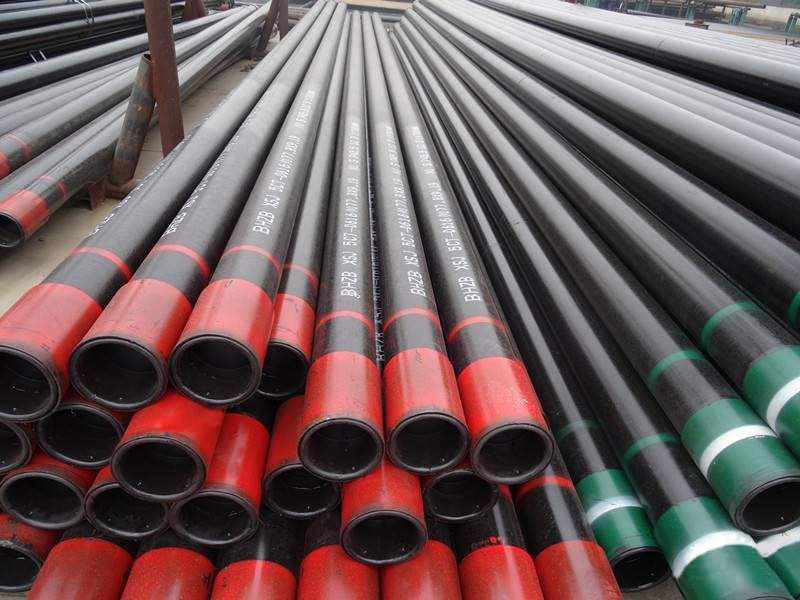
Seamless pipes are manufactured without any weld joints, making them a robust alternative for various applications, particularly in the oil and gas industry. This manufacturing process involves extruding heated metal into a cylindrical shape, which is then further processed into the desired dimensions. The absence of seams enhances the pipe's integrity and strength, making them ideal for transporting high-pressure fluids.
2. The Benefits of Seamless Pipes in Oil Pipeline Construction
2.1 Enhanced Strength and Durability
One of the primary reasons seamless pipes are favored in oil pipeline construction is their **exceptional strength**. The absence of welds means there are no weak points that could fail under pressure. This characteristic allows seamless pipes to withstand extreme operational conditions, including high temperatures and pressures, ensuring a **longer service life**.
2.2 Improved Flow Efficiency
Seamless pipes possess a smooth interior surface that promotes **unimpeded fluid flow**. This is crucial in oil transportation, where any restriction can lead to increased pumping costs and energy expenditure. The enhanced flow efficiency associated with seamless pipes translates to lower operational costs and improved overall productivity.
2.3 Resistance to Corrosion
Corrosion resistance is another significant advantage of seamless pipes. Many manufacturers treat these pipes with special coatings or utilize corrosion-resistant materials that extend their longevity in harsh environments. In the oil industry, where pipelines are exposed to corrosive substances, this characteristic minimizes maintenance costs and enhances reliability.
2.4 Reduced Risk of Leaks
The seamless design inherently contributes to a lower risk of leaks. In traditional welded pipes, seams can be potential failure points. The integrity of seamless pipes results in fewer vulnerabilities, providing peace of mind to operators and reducing the likelihood of environmental hazards associated with oil leaks.
3. The Manufacturing Process of Seamless Pipes
The manufacturing process of seamless pipes is a carefully controlled procedure that ensures high quality and consistency. It typically involves several steps:
- Heating: The raw material, usually steel, is heated to a high temperature to make it malleable.
- Piercing: The heated steel undergoes a piercing operation to create a hollow tube.
- Elongation: The hollow tube is then elongated to the desired length.
- Cold Finishing: The final process involves resizing and finishing the pipe to meet specific standards.
This meticulous process ensures that seamless pipes meet the stringent requirements for oil and gas applications.
4. Comparing Seamless Pipes to Welded Pipes
When considering materials for oil pipelines, it is essential to compare seamless and welded pipes. While both have their applications, the advantages of seamless pipes often outweigh those of welded pipes:
- Structural Integrity: Seamless pipes offer better strength due to their continuous structure, while welded pipes may be prone to joint failures.
- Pressure Resistance: Seamless pipes can handle higher pressures effectively, making them ideal for high-stress environments.
- Maintenance Needs: Seamless pipes require less maintenance compared to welded pipes, resulting in lower operational costs.
5. Industry Applications of Seamless Pipes
Seamless pipes are utilized across various sectors, but their application in the oil and gas industry is particularly noteworthy. Key applications include:
- Oil and Gas Transportation: Seamless pipes are widely used for transporting crude oil, natural gas, and refined products.
- Process Piping: In refineries and processing plants, seamless pipes facilitate the safe movement of various fluids and gases.
- Structural Applications: Seamless pipes also serve in structural applications where strength and durability are paramount.
6. Future Trends in Oil Pipeline Construction
The future of oil pipeline construction is poised for significant advancements. As global energy demands continue to rise, the need for efficient, reliable, and safe transportation systems is more critical than ever. Seamless pipes are at the forefront of this evolution, with emerging trends including:
- Smart Pipeline Technologies: Integration of IoT and sensor technologies for real-time monitoring and predictive maintenance.
- Sustainable Practices: Adoption of eco-friendly materials and processes to reduce environmental impact.
- Advanced Materials: Research into new alloys and composite materials that enhance performance and longevity.
7. Frequently Asked Questions (FAQs)
What are the main advantages of seamless pipes over welded pipes?
Seamless pipes provide superior strength, higher pressure resistance, better corrosion resistance, and reduced risk of leaks compared to welded pipes.
How are seamless pipes manufactured?
Seamless pipes are produced through a process that involves heating steel, piercing it to create a hollow tube, elongating it, and then finishing it to the desired specifications.
Where are seamless pipes commonly used in the oil industry?
Seamless pipes are primarily used for transporting crude oil, natural gas, and in various structural applications within the oil and gas sector.
Can seamless pipes be used in high-pressure applications?
Yes, seamless pipes are designed to withstand high pressure, making them suitable for challenging applications in the oil and gas industry.
What is the lifespan of seamless pipes in oil pipelines?
The lifespan of seamless pipes can vary based on several factors, including the material used and environmental conditions, but they are generally known for their durability and can last several decades with proper maintenance.
Conclusion
Seamless pipes represent a pivotal advancement in oil pipeline construction, offering unmatched benefits in terms of strength, efficiency, and safety. As the industry moves towards more sustainable and reliable energy solutions, the adoption of seamless technology will play a crucial role in shaping the future of oil transportation. By prioritizing seamless pipes, the oil and gas sector positions itself for enduring success, ensuring the safe and efficient movement of energy resources globally.
Key words:
PREVIOUS:


Contact
E-mail:
Add:
Hope New District, Mengcun Hui Autonomous County,
Cangzhou City, Hebei Province


PRODUCT SEARCH
Search And Quickly Find The Products You Need
The main products include oil pipeline pipes, oil casing and various specifications of GB/T8162 structural pipes, GB8/T163 fluid pipes, GB/T3087 low and medium pressure boiler pipes, G/TB5310 high pressure boiler pipes, GB/T6479 fertilizer special pipes, etc.