
Understanding Oil Casing Pipes: Essential Insights for Construction and Decorative Materials
Oil casing pipes play a crucial role in the oil and gas industry, primarily used to line wells and maintain their structural integrity during drilling and production processes. These pipes are designed to withstand high pressure and corrosive environments, making them essential for safe and efficient resource extraction. Understanding the properties and applications of oil casing pipes can greatly
Apr 08,2026
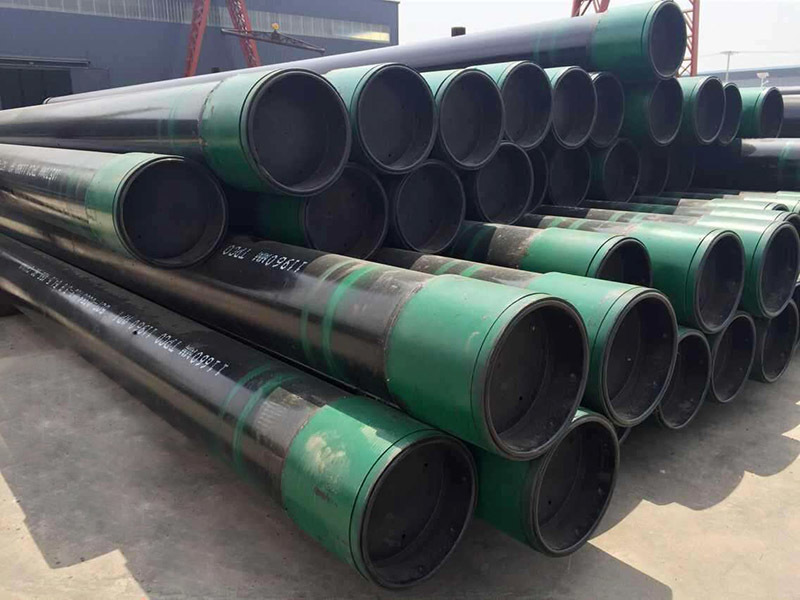
Oil casing pipes play a crucial role in the oil and gas industry, primarily used to line wells and maintain their structural integrity during drilling and production processes. These pipes are designed to withstand high pressure and corrosive environments, making them essential for safe and efficient resource extraction. Understanding the properties and applications of oil casing pipes can greatly benefit professionals involved in construction and decorative materials, especially those working with pipeline systems.
Typically manufactured from high-strength steel, oil casing pipes come in various grades and sizes, depending on the specific requirements of the drilling operation. The selection of the appropriate casing pipe is critical, as it must not only support the borehole but also protect the well from external contaminants and provide a conduit for the extraction of oil and gas. Engineers and project managers must evaluate factors such as the depth of the well, the geological conditions, and the expected pressures when choosing the right casing pipe.
In terms of technical specifications, oil casing pipes are categorized into different types, including surface casing, intermediate casing, and production casing. Each type serves a specific purpose: surface casing is installed first to stabilize the wellbore and isolate shallow aquifers, intermediate casing is used to navigate through varying geological formations, and production casing is installed to allow oil and gas to flow to the surface. Understanding these distinctions is essential for effective pipeline system design and implementation.
Moreover, the installation process of oil casing pipes requires meticulous attention to detail. Proper cementing techniques must be employed to ensure that the casing is securely bonded to the wellbore, which prevents fluid migration and maintains pressure integrity. Any lapses in this process can lead to significant operational challenges and safety hazards.
Additionally, with the growing emphasis on sustainability and environmental responsibility, the materials used for oil casing pipes are evolving. Advances in technology have led to the development of composite materials and coatings that enhance the durability and corrosion resistance of casing pipes, thereby extending their lifespan and reducing maintenance costs.
In summary, oil casing pipes are indispensable in the construction and decorative materials sector, particularly in pipeline systems. By understanding the technical aspects, types, and installation requirements of these pipes, professionals can ensure the success and safety of their projects. As the industry continues to evolve, staying informed about innovations in casing pipe technology will be integral to maintaining competitive advantage and operational efficiency.
Typically manufactured from high-strength steel, oil casing pipes come in various grades and sizes, depending on the specific requirements of the drilling operation. The selection of the appropriate casing pipe is critical, as it must not only support the borehole but also protect the well from external contaminants and provide a conduit for the extraction of oil and gas. Engineers and project managers must evaluate factors such as the depth of the well, the geological conditions, and the expected pressures when choosing the right casing pipe.
In terms of technical specifications, oil casing pipes are categorized into different types, including surface casing, intermediate casing, and production casing. Each type serves a specific purpose: surface casing is installed first to stabilize the wellbore and isolate shallow aquifers, intermediate casing is used to navigate through varying geological formations, and production casing is installed to allow oil and gas to flow to the surface. Understanding these distinctions is essential for effective pipeline system design and implementation.
Moreover, the installation process of oil casing pipes requires meticulous attention to detail. Proper cementing techniques must be employed to ensure that the casing is securely bonded to the wellbore, which prevents fluid migration and maintains pressure integrity. Any lapses in this process can lead to significant operational challenges and safety hazards.
Additionally, with the growing emphasis on sustainability and environmental responsibility, the materials used for oil casing pipes are evolving. Advances in technology have led to the development of composite materials and coatings that enhance the durability and corrosion resistance of casing pipes, thereby extending their lifespan and reducing maintenance costs.
In summary, oil casing pipes are indispensable in the construction and decorative materials sector, particularly in pipeline systems. By understanding the technical aspects, types, and installation requirements of these pipes, professionals can ensure the success and safety of their projects. As the industry continues to evolve, staying informed about innovations in casing pipe technology will be integral to maintaining competitive advantage and operational efficiency.
Key words:


Contact
E-mail:
Add:
Hope New District, Mengcun Hui Autonomous County,
Cangzhou City, Hebei Province


PRODUCT SEARCH
Search And Quickly Find The Products You Need
The main products include oil pipeline pipes, oil casing and various specifications of GB/T8162 structural pipes, GB8/T163 fluid pipes, GB/T3087 low and medium pressure boiler pipes, G/TB5310 high pressure boiler pipes, GB/T6479 fertilizer special pipes, etc.