
Essential Maintenance Tips for Prolonging the Life of Your Oil Tubing Pipe
Essential Maintenance Tips for Prolonging the Life of Your Oil Tubing Pipe
Table of Contents
Introduction to Oil Tubing Pipes
Understanding Oil Tubing Pipes
Importance of Maintenance for Oil Tubing Pipes
Conducting Regular Inspections
Effective Cleaning Techniques for Oil Tubing Pipes
Utilizing Protective Coatings
Considering Environmental Factors
Troubleshooting C
Apr 07,2026

Essential Maintenance Tips for Prolonging the Life of Your Oil Tubing Pipe
Table of Contents
- Introduction to Oil Tubing Pipes
- Understanding Oil Tubing Pipes
- Importance of Maintenance for Oil Tubing Pipes
- Conducting Regular Inspections
- Effective Cleaning Techniques for Oil Tubing Pipes
- Utilizing Protective Coatings
- Considering Environmental Factors
- Troubleshooting Common Issues
- When to Seek Professional Assistance
- Conclusion
- FAQs
Introduction to Oil Tubing Pipes
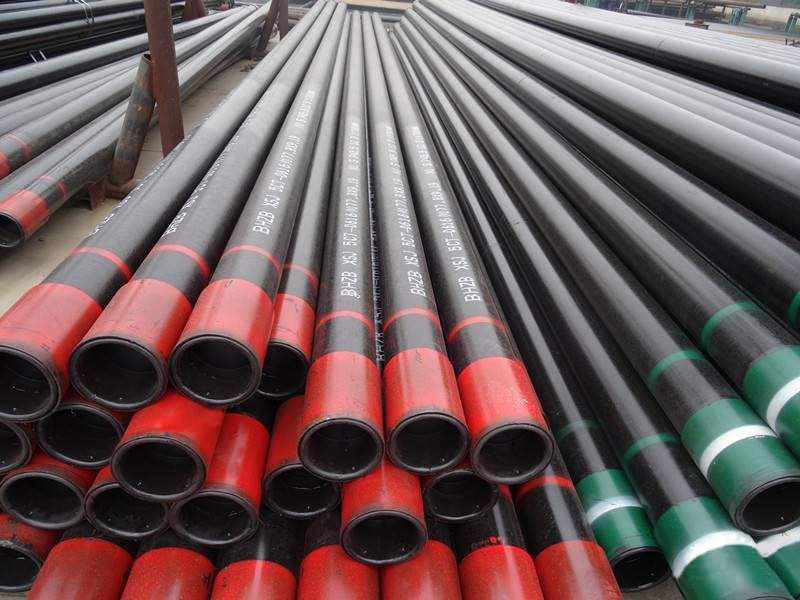
Oil tubing pipes are integral components in the oil and gas industry, primarily used to transport crude oil from the well to processing facilities. Understanding their structure and function is crucial in determining how to maintain them effectively. In this article, we will explore comprehensive maintenance tips that can significantly extend the life of your oil tubing pipes, ensuring optimal performance and efficiency.
Understanding Oil Tubing Pipes
Oil tubing pipes, typically made from carbon steel or other alloys, are designed to withstand high pressures and corrosive environments. Their durability is essential for the economic viability of oil extraction. Regular maintenance not only enhances their lifespan but also prevents costly failures that can lead to environmental hazards.
Importance of Maintenance for Oil Tubing Pipes
Proper maintenance of oil tubing pipes is vital for ensuring safety, efficiency, and reliability. Neglecting maintenance can lead to leaks, ruptures, and other catastrophic failures, which not only compromise the integrity of the oil extraction process but can also have severe environmental implications. Regular maintenance can:
- **Increase operational efficiency**: Well-maintained pipes ensure a smooth flow of oil, reducing downtime and increasing productivity.
- **Prevent costly repairs**: Early detection of wear and tear allows for timely repairs, minimizing expensive replacement costs.
- **Enhance safety**: Regular checks reduce the risk of leaks and spills, safeguarding personnel and the environment.
Conducting Regular Inspections
Regular inspections are the cornerstone of an effective maintenance program. These inspections should be systematic and thorough, focusing on key areas that are prone to wear and tear. Here are some essential elements to consider during inspections:
Visual Inspections
Conducting visual inspections can help identify surface defects, corrosion, and any other visible damage. Look for:
- **Rust and corrosion**: These are common indicators of deterioration.
- **Cracks and leaks**: Inspect joints and welds closely as they are susceptible to failure.
- **Bends or deformations**: Any irregularities in the pipe structure can indicate underlying issues.
Non-Destructive Testing (NDT)
Utilizing NDT methods such as ultrasonic testing or magnetic particle inspection can reveal subsurface defects without damaging the pipe. These methods are vital for assessing the integrity of oil tubing pipes, especially in high-risk environments.
Pressure Testing
Regular pressure testing helps ensure the pipes can withstand the operational pressures they are subjected to. This test should be performed according to regulatory standards to confirm their reliability.
Effective Cleaning Techniques for Oil Tubing Pipes
Cleaning is an essential part of maintaining oil tubing pipes. Residues from crude oil, natural gas, and other substances can accumulate over time, impacting flow and efficiency. Here are effective cleaning strategies:
Mechanical Cleaning
Using mechanical methods such as scrapers and brushes can help remove buildup from the internal surfaces of the pipes. This is particularly useful for hard deposits that chemical cleaners may not dislodge.
Chemical Cleaning
Chemical cleaning agents specifically designed for oil and gas applications can effectively dissolve contaminants. Ensure that the chosen chemicals are compatible with the pipe material to avoid corrosion.
Pigging Operations
Pigging involves using a device known as a "pig" to clean and inspect the inside of the pipe. It effectively removes debris and can also gather data on the pipe's condition, allowing for proactive maintenance planning.
Utilizing Protective Coatings
Applying protective coatings is a proactive measure that can significantly extend the life of your oil tubing pipes. These coatings can help mitigate corrosion and environmental damage. Key types of coatings include:
Cathodic Protection
This technique involves using sacrificial anodes to protect the pipe from corrosion. It is particularly useful in areas where soil or water conditions are aggressive.
Epoxy Coatings
Epoxy coatings provide a robust barrier against corrosive elements. They are effective for both internal and external surfaces and can be tailored to specific environmental conditions.
Polyurethane Coatings
These offer excellent abrasion resistance and flexibility, making them suitable for pipes that experience physical stress.
Considering Environmental Factors
Environmental conditions play a significant role in the maintenance of oil tubing pipes. Factors such as temperature fluctuations, humidity, and exposure to chemicals can affect the integrity of the pipes. Consider the following:
Temperature Management
Extreme temperatures can lead to thermal expansion and contraction, stressing the pipe material. Select materials with suitable thermal properties for the operating environment.
Moisture Control
Excess moisture can accelerate corrosion. Implementing drainage systems and moisture barriers can help mitigate these risks.
Chemical Exposure
Pipes exposed to aggressive chemicals require special coatings and materials. Regularly assess the chemical environment to ensure compatibility.
Troubleshooting Common Issues
Even with a robust maintenance program, issues may still arise. Here’s how to troubleshoot some common problems:
Leaking Joints
Inspect for visible signs of leakage. Tightening bolts or employing sealants can often remedy the issue, but persistent leaks may require professional assessment.
Corrosion
If corrosion is detected, it is crucial to determine its cause. Simple cleaning may suffice, but severe corrosion could necessitate pipe replacement.
Poor Flow Rates
If oil flow rates decline, inspect for clogs or obstructions. Cleaning and routine maintenance should restore normal flow.
When to Seek Professional Assistance
While many maintenance tasks can be performed in-house, certain situations warrant professional intervention. Consider seeking expert help if:
- You encounter significant corrosion or physical damage to the pipes.
- Advanced NDT methods are required for thorough inspections.
- Complex repairs fall outside the expertise of your maintenance team.
Investing in professional services ensures that your oil tubing pipes receive the highest level of care, preserving their functionality and extending their operational lifespan.
Conclusion
Prolonging the life of your oil tubing pipes is a robust process that requires diligence and commitment to regular maintenance practices. By systematically inspecting, cleaning, and protecting your pipes, you can enhance their durability, prevent costly failures, and ensure the safety of your operations. Implementing these strategies not only supports your bottom line but also contributes to environmental stewardship within the oil and gas industry.
FAQs
What is the typical lifespan of oil tubing pipes?
The lifespan of oil tubing pipes varies based on materials, environment, and maintenance practices, but they can last anywhere from 20 to 40 years with proper care.
How often should oil tubing pipes be inspected?
Inspecting oil tubing pipes at least once a year is recommended, though higher-risk environments may require more frequent checks.
What are the signs of corrosion in oil tubing pipes?
Signs of corrosion include visible rust, pitting, discoloration, and flaking of the pipe surface.
Can I perform maintenance on oil tubing pipes myself?
While basic inspections and cleaning can be done in-house, complex repairs and advanced testing should be performed by professionals.
What should I do if I find a leak in my oil tubing pipe?
Address leaks immediately by tightening fittings or applying sealants. If the issue persists, consult a professional for an assessment and repair.
Key words:
PREVIOUS:


Contact
E-mail:
Add:
Hope New District, Mengcun Hui Autonomous County,
Cangzhou City, Hebei Province


PRODUCT SEARCH
Search And Quickly Find The Products You Need
The main products include oil pipeline pipes, oil casing and various specifications of GB/T8162 structural pipes, GB8/T163 fluid pipes, GB/T3087 low and medium pressure boiler pipes, G/TB5310 high pressure boiler pipes, GB/T6479 fertilizer special pipes, etc.