
Choosing the Right Oil Line Pipe for Your Construction Needs: A Comprehensive Guide
Choosing the Right Oil Line Pipe for Your Construction Needs
Introduction to Oil Line Pipes in Construction
When it comes to construction, selecting the appropriate oil line pipe is crucial for ensuring the efficiency and safety of your project. Oil line pipes are designed to transport oil and other substances safely and effectively, making them integral to various construction applications. Under
Apr 05,2026
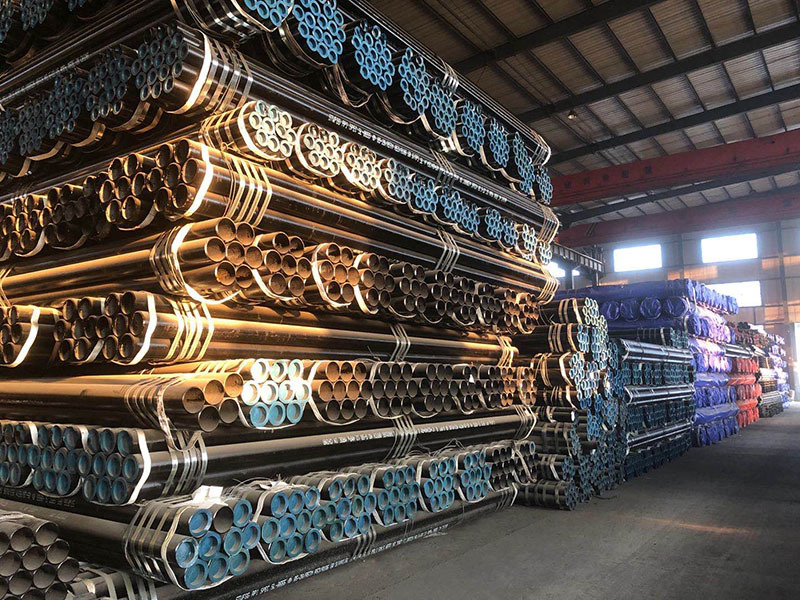
Choosing the Right Oil Line Pipe for Your Construction Needs
Introduction to Oil Line Pipes in Construction
When it comes to construction, selecting the appropriate oil line pipe is crucial for ensuring the efficiency and safety of your project. Oil line pipes are designed to transport oil and other substances safely and effectively, making them integral to various construction applications. Understanding the characteristics and specifications of different pipes helps in making an informed decision that suits your specific construction needs.
Understanding Oil Line Pipe Types
1. Different Materials Used in Oil Line Pipes
Oil line pipes come in various materials, each with unique properties suited for specific applications. The common materials include:
- Steel Pipes: Known for their strength and durability, steel pipes are ideal for high-pressure applications. They resist corrosion when coated and are widely used in oil transportation.
- Polyethylene Pipes: Lightweight and flexible, polyethylene pipes are resistant to corrosion and chemical attacks. They are well-suited for underground installations and low-pressure applications.
- Fiberglass Reinforced Plastic (FRP) Pipes: These pipes offer excellent resistance to corrosion, making them a great choice for transporting oil in hostile environments.
- Copper Pipes: While less common, copper pipes can be used in specific applications due to their resistance to corrosion and excellent thermal conductivity.
2. Assessing the Application Environment
The environment in which the oil line pipe will be installed plays a significant role in the selection process. Factors such as temperature, pressure, and exposure to chemicals must be considered. For instance, if the pipe will be exposed to high temperatures, materials with high heat resistance should be prioritized. Additionally, areas prone to physical damage may require more robust materials like steel.
Key Factors to Consider When Choosing Oil Line Pipes
1. Sizing and Capacity Requirements
The size of the oil line pipe is critical to ensure adequate flow rates. Proper sizing prevents issues such as back pressure and can significantly impact the efficiency of your system. To determine the correct size, consider the following:
- Flow Rate: Calculate the desired flow rate based on the application needs.
- Pipe Diameter: Larger diameters allow for greater flow but may be more expensive and challenging to install.
2. Pressure Ratings
Oil line pipes must withstand the pressure generated by the transported substances. Each type of pipe has a specific pressure rating, which should align with the demands of your project. It is essential to select pipes with a pressure rating higher than the maximum expected pressure to ensure safety and longevity.
3. Installation Techniques and Challenges
The method of installation can impact the choice of pipe significantly. Some pipes require specific joining techniques that could affect your overall project budget and timeline. For example:
- Welding: Common for steel pipes, requiring skilled labor and more extended timelines.
- Socket Fusion: Often used for polyethylene pipes, which can facilitate quicker installation.
4. Long-Term Maintenance and Durability
Selecting a pipe material that requires minimal maintenance is key to reducing long-term costs. Steel pipes, although robust, may necessitate protective coatings to prevent corrosion. On the other hand, polyethylene and FRP pipes offer lower maintenance costs due to their inherent corrosion resistance.
Installation Best Practices for Oil Line Pipes
1. Pre-Installation Considerations
Prior to installation, it’s crucial to conduct a thorough site assessment. This includes checking for existing utilities, soil conditions, and environmental regulations. Furthermore, you should ensure that all materials are compliant with local and national standards.
2. Proper Handling and Storage
Handling oil line pipes with care during transportation and storage is vital. Pipes should be stored in a clean, dry environment to prevent contamination. Moreover, avoid dropping or dragging pipes across rough surfaces, as this can cause damage.
3. Techniques for Efficient Installation
Utilizing proper techniques during installation can significantly enhance the performance of oil line pipes. Ensure that all joints are secure and free from leaks. In addition, plan the layout carefully to minimize bends and turns, as these can restrict flow and create pressure drops.
Ensuring Compliance with Industry Standards
Adhering to industry standards is essential when installing oil line pipes. Familiarize yourself with local regulations and guidelines from organizations such as the American Petroleum Institute (API) and the American Society for Testing and Materials (ASTM). Compliance not only ensures safety but also protects your investment in the long term.
Cost Considerations for Oil Line Pipes
The cost of oil line pipes can vary significantly based on materials, sizes, and installation methods. While it may be tempting to opt for the cheapest option, consider the long-term implications of maintenance and durability. Investing in higher-quality materials may reduce overall expenses over time due to decreased maintenance needs.
Frequently Asked Questions (FAQs)
1. What is the best material for oil line pipes?
The best material depends on the application and environmental conditions. Steel is strong and durable, while polyethylene is corrosion-resistant and flexible.
2. How do I know the right pipe size for my needs?
Calculate the required flow rate and consider the installation environment to determine the appropriate pipe diameter.
3. Are there any special installation requirements for oil line pipes?
Yes, installation requirements vary based on the pipe material and application. Techniques such as welding, socket fusion, or adhesive bonding may be required.
4. How can I ensure my oil line pipes remain compliant with regulations?
Stay informed about local and national regulations and regularly consult with industry experts or local authorities.
5. What are the common maintenance practices for oil line pipes?
Regular inspections for leaks, corrosion, and physical damage are essential. Additionally, cleaning and protective coatings may be needed to ensure longevity.
Conclusion
Choosing the right oil line pipe for your construction needs is a critical decision that can significantly impact your project’s efficiency, safety, and cost-effectiveness. By understanding the various materials, sizing requirements, installation techniques, and maintenance practices, you can make informed choices that will serve your project well for years to come. Prioritize quality, compliance, and performance to invest wisely in your construction endeavors.
Key words:

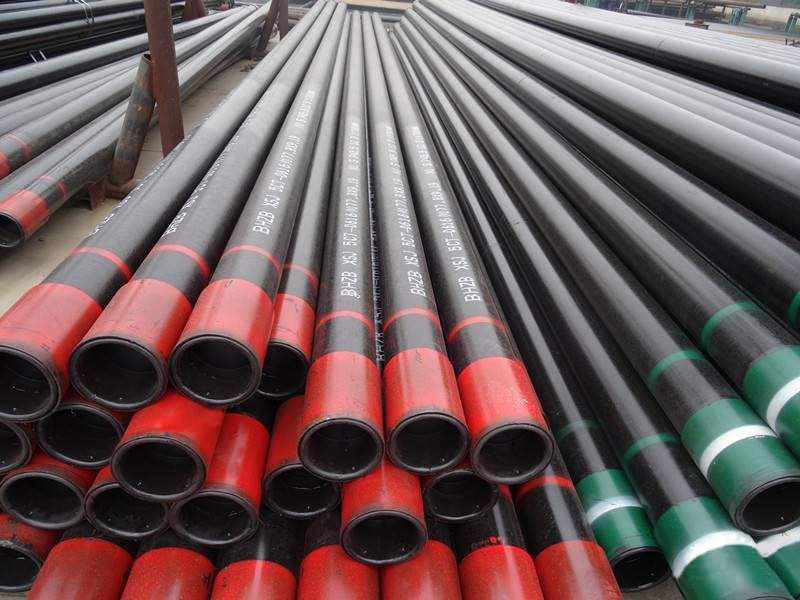

Contact
E-mail:
Add:
Hope New District, Mengcun Hui Autonomous County,
Cangzhou City, Hebei Province


PRODUCT SEARCH
Search And Quickly Find The Products You Need
The main products include oil pipeline pipes, oil casing and various specifications of GB/T8162 structural pipes, GB8/T163 fluid pipes, GB/T3087 low and medium pressure boiler pipes, G/TB5310 high pressure boiler pipes, GB/T6479 fertilizer special pipes, etc.