
Understanding Steel Line Pipes: An Essential Component in Modern Construction
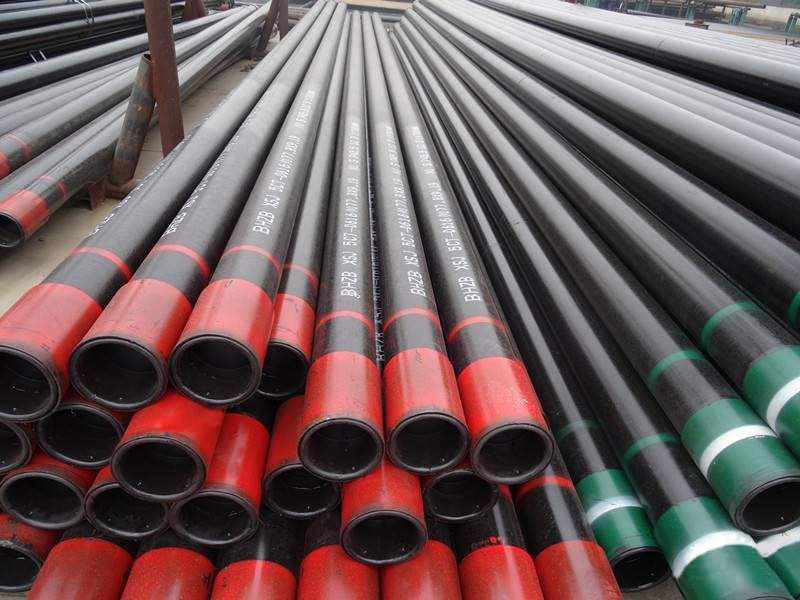
Steel line pipes are an integral component in various construction and decorative material applications, particularly in pipeline systems. Made primarily from high-quality steel, these pipes are designed to transport liquids, gases, and other substances efficiently and safely. Their durability, strength, and resistance to corrosion make them a preferred choice for a multitude of projects, ranging
Apr 06,2026

Steel line pipes are an integral component in various construction and decorative material applications, particularly in pipeline systems. Made primarily from high-quality steel, these pipes are designed to transport liquids, gases, and other substances efficiently and safely. Their durability, strength, and resistance to corrosion make them a preferred choice for a multitude of projects, ranging from industrial applications to residential plumbing.
One of the primary advantages of steel line pipes is their exceptional strength. Unlike other materials, steel can withstand considerable pressure and temperature variations, making it ideal for high-demand environments. This strength also translates into longevity; steel line pipes are less likely to succumb to wear and tear, reducing the need for frequent replacements and maintenance. As a result, they present an attractive option for construction projects that require reliable and enduring materials.
In addition to strength, steel line pipes offer excellent resistance to corrosion. Many modern steel line pipes are treated with protective coatings or are made from specific alloys that enhance their resistance to rust and decay. This property is especially important in applications where pipes are exposed to harsh environmental conditions, such as underground installations or areas with high humidity levels. By minimizing the risk of corrosion, steel line pipes contribute to the overall safety and efficiency of the pipeline system.
The versatility of steel line pipes is another significant benefit. They can be used in various applications, including water supply systems, gas distribution networks, and chilled water systems. This adaptability makes them suitable for both residential and commercial projects, allowing builders and contractors to rely on a single type of pipe for multiple functions. Additionally, steel line pipes can be customized in terms of diameter, length, and thickness to meet specific project requirements.
Moreover, the installation of steel line pipes is generally straightforward, provided that the workforce is adequately trained and equipped. Proper installation techniques can significantly enhance the performance and lifespan of the pipes. Builders should ensure that they follow industry standards and best practices when handling and installing steel line pipes to avoid potential issues down the line.
Lastly, it's essential to consider environmental factors when using steel line pipes. Steel is a recyclable material, and its use can contribute to a more sustainable construction process. By choosing steel line pipes, construction professionals can take a step towards reducing waste and promoting sustainability in the building industry.
In conclusion, steel line pipes are a crucial element in pipeline systems within the construction and decorative materials sector. Their strength, corrosion resistance, versatility, and ease of installation make them an ideal choice for various applications. Understanding the benefits and features of steel line pipes can help industry professionals make informed decisions that enhance the safety, efficiency, and sustainability of their projects.
One of the primary advantages of steel line pipes is their exceptional strength. Unlike other materials, steel can withstand considerable pressure and temperature variations, making it ideal for high-demand environments. This strength also translates into longevity; steel line pipes are less likely to succumb to wear and tear, reducing the need for frequent replacements and maintenance. As a result, they present an attractive option for construction projects that require reliable and enduring materials.
In addition to strength, steel line pipes offer excellent resistance to corrosion. Many modern steel line pipes are treated with protective coatings or are made from specific alloys that enhance their resistance to rust and decay. This property is especially important in applications where pipes are exposed to harsh environmental conditions, such as underground installations or areas with high humidity levels. By minimizing the risk of corrosion, steel line pipes contribute to the overall safety and efficiency of the pipeline system.
The versatility of steel line pipes is another significant benefit. They can be used in various applications, including water supply systems, gas distribution networks, and chilled water systems. This adaptability makes them suitable for both residential and commercial projects, allowing builders and contractors to rely on a single type of pipe for multiple functions. Additionally, steel line pipes can be customized in terms of diameter, length, and thickness to meet specific project requirements.
Moreover, the installation of steel line pipes is generally straightforward, provided that the workforce is adequately trained and equipped. Proper installation techniques can significantly enhance the performance and lifespan of the pipes. Builders should ensure that they follow industry standards and best practices when handling and installing steel line pipes to avoid potential issues down the line.
Lastly, it's essential to consider environmental factors when using steel line pipes. Steel is a recyclable material, and its use can contribute to a more sustainable construction process. By choosing steel line pipes, construction professionals can take a step towards reducing waste and promoting sustainability in the building industry.
In conclusion, steel line pipes are a crucial element in pipeline systems within the construction and decorative materials sector. Their strength, corrosion resistance, versatility, and ease of installation make them an ideal choice for various applications. Understanding the benefits and features of steel line pipes can help industry professionals make informed decisions that enhance the safety, efficiency, and sustainability of their projects.
Key words:

Contact
E-mail:
Add:
Hope New District, Mengcun Hui Autonomous County,
Cangzhou City, Hebei Province


PRODUCT SEARCH
Search And Quickly Find The Products You Need
The main products include oil pipeline pipes, oil casing and various specifications of GB/T8162 structural pipes, GB8/T163 fluid pipes, GB/T3087 low and medium pressure boiler pipes, G/TB5310 high pressure boiler pipes, GB/T6479 fertilizer special pipes, etc.