
Steel Line Pipe vs. Other Materials: Which is Better for Your Project?
Steel Line Pipe vs. Other Materials: Which is Better for Your Project?
Introduction to Steel Line Pipe and Alternative Materials
In the construction and decorative materials industry, the choice of materials is a critical aspect that can significantly impact the success of any project. One of the most widely debated topics among engineers and project managers is whether to choose **steel line pipe
Apr 11,2026

Steel Line Pipe vs. Other Materials: Which is Better for Your Project?
Introduction to Steel Line Pipe and Alternative Materials
In the construction and decorative materials industry, the choice of materials is a critical aspect that can significantly impact the success of any project. One of the most widely debated topics among engineers and project managers is whether to choose **steel line pipes** or other materials such as plastic, copper, and fiberglass. Each material has its unique properties that make it suitable for specific applications, but which one truly stands out? In this article, we’ll delve deep into the characteristics of **steel line pipes** and compare them with other materials to determine the best fit for your project needs.
Understanding Steel Line Pipes
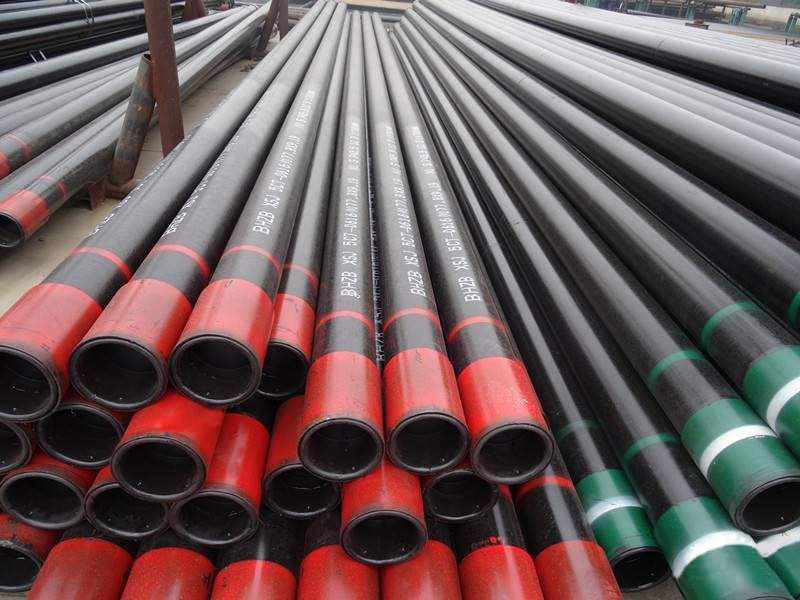
Steel line pipes are renowned for their durability, strength, and resistance to corrosion. These pipes are made from high-quality steel and are primarily used in industries such as oil and gas, water supply, and construction.
Advantages of Using Steel Line Pipes
- **Strength and Durability**: Steel is known for its high tensile strength, making steel line pipes capable of withstanding high pressures and adverse environmental conditions.
- **Longevity**: When properly maintained, steel line pipes can last for decades, reducing the need for frequent replacements.
- **Versatility**: Steel line pipes can be used in various applications, from transporting liquids to structural support in buildings.
Applications of Steel Line Pipes
Steel line pipes are utilized in various sectors, including:
- Oil and gas transportation
- Water supply systems
- Construction and infrastructure projects
- Industrial applications (such as chemical processing)
Alternative Materials for Line Pipes
While steel line pipes have numerous benefits, several alternative materials are gaining traction in the industry. These include **PVC**, **HDPE**, **copper**, and **fiberglass**.
1. PVC (Polyvinyl Chloride)
PVC pipes are a popular choice due to their lightweight nature and cost-effectiveness.
Benefits of PVC
- **Corrosion Resistance**: PVC is inherently resistant to corrosion and does not rust, making it a good choice for water supply systems.
- **Lightweight**: This makes PVC easier to transport and install compared to heavier materials.
- **Cost-Effective**: PVC is generally less expensive than steel, making it attractive for budget-conscious projects.
Limitations of PVC
- **Lower Strength**: PVC pipes lack the tensile strength of steel, making them less suitable for high-pressure applications.
- **Heat Sensitivity**: PVC can warp or become brittle at high temperatures, limiting its use in certain environments.
2. HDPE (High-Density Polyethylene)
HDPE is another alternative that has gained popularity due to its flexibility and resistance to impact.
Benefits of HDPE
- **Flexibility**: HDPE pipes can bend without breaking, making them ideal for applications that require curved paths.
- **Resistance to Chemicals**: HDPE is resistant to many chemicals, making it suitable for industrial applications.
- **Low Friction**: This material has a smooth interior surface, reducing friction and energy loss.
Limitations of HDPE
- **Lower Pressure Tolerance**: While flexible, HDPE pipes cannot withstand as high pressures as steel pipes.
- **Temperature Limitations**: HDPE can become brittle at low temperatures, impacting its performance in colder climates.
3. Copper Pipes
Copper pipes are often used in plumbing due to their antimicrobial properties and reliability.
Benefits of Copper
- **Antimicrobial Properties**: Copper pipes inhibit the growth of bacteria and other pathogens, making them a safe choice for drinking water systems.
- **Durability**: Copper is resistant to corrosion and has a long lifespan.
Limitations of Copper
- **Cost**: Copper pipes are significantly more expensive than other materials, which can inflate project budgets.
- **Weight**: Being heavier than plastic pipes, copper can be more challenging to work with during installation.
4. Fiberglass Pipes
Fiberglass pipes often find applications in corrosive environments due to their chemical resistance.
Benefits of Fiberglass
- **Corrosion Resistance**: Fiberglass does not corrode, making it ideal for transporting aggressive chemicals.
- **Lightweight**: Similar to PVC and HDPE, fiberglass is lightweight, which simplifies installation.
Limitations of Fiberglass
- **Cost**: Fiberglass can be more expensive than traditional materials like PVC and HDPE.
- **Installation Complexity**: Special tools and skills may be needed to install fiberglass pipes properly.
Cost Comparison: Steel Line Pipes vs. Other Materials
When selecting the appropriate material for your project, cost is often a significant factor.
Initial Costs
- **Steel Line Pipes**: Generally more expensive upfront due to the material cost and fabrication process.
- **PVC and HDPE**: Lower initial costs make these materials appealing for budget-friendly projects.
- **Copper and Fiberglass**: Higher initial costs can offset savings in longevity and maintenance.
Long-Term Costs and Maintenance
- **Steel**: Requires maintenance to prevent rust and corrosion but offers a long service life.
- **PVC and HDPE**: Minimal maintenance but may require replacement sooner than steel.
- **Copper**: Long-lasting but can be subject to theft and fluctuating market prices.
- **Fiberglass**: Long service life with minimal maintenance needs.
Environmental Impact: Evaluating Sustainability
As sustainability becomes increasingly important in construction, evaluating the environmental impact of materials is crucial.
Steel Line Pipes
Steel is recyclable, and using recycled steel can significantly reduce environmental impact. However, the production process has a high carbon footprint.
PVC and HDPE
While these materials are also recyclable, the production process involves chemical processes that can be harmful to the environment.
Copper and Fiberglass
Copper is recyclable, but mining for new copper has environmental consequences. Fiberglass production can also be energy-intensive and produce waste.
Performance in Extreme Conditions
The performance of pipes can vary significantly in extreme conditions such as high pressure, high temperatures, and corrosive environments.
Steel Line Pipes
Steel pipes excel in high-pressure situations and extreme temperatures, making them ideal for oil and gas applications.
PVC and HDPE
These materials perform well in moderate conditions but may fail under extreme pressure and temperature.
Copper and Fiberglass
Copper performs adequately in moderate conditions but has limitations in high-pressure scenarios, while fiberglass excels in corrosive environments.
Conclusion: Which Material is Best for Your Project?
Choosing the right piping material for your project hinges on various factors, including cost, application, environmental considerations, and performance requirements. **Steel line pipes** offer unmatched strength and durability, making them ideal for high-pressure and extreme environments. However, alternatives like PVC, HDPE, copper, and fiberglass have their unique advantages and may be more suitable for specific applications, particularly when cost and weight are critical factors.
Ultimately, we recommend conducting a thorough evaluation of your project requirements and considering all materials' long-term implications before making a decision. Whether opting for steel or exploring alternatives, each project will benefit from careful planning and material selection to achieve the best results.
Frequently Asked Questions (FAQs)
1. What are the main uses of steel line pipes?
Steel line pipes are primarily used in oil and gas transportation, water supply systems, construction projects, and various industrial applications.
2. Are PVC pipes suitable for high-pressure applications?
No, PVC pipes are not designed for high-pressure applications and can fail under such conditions.
3. How does the cost of fiberglass compare to steel line pipes?
Fiberglass is generally more expensive than PVC and HDPE but may offer lower long-term maintenance costs compared to steel.
4. What is the lifespan of steel line pipes?
With proper maintenance, steel line pipes can last several decades, significantly longer than many alternative materials.
5. Can copper pipes be recycled?
Yes, copper pipes are highly recyclable, and their recycling process is energy-efficient compared to the extraction of new copper.
Key words:


Contact
E-mail:
Add:
Hope New District, Mengcun Hui Autonomous County,
Cangzhou City, Hebei Province


PRODUCT SEARCH
Search And Quickly Find The Products You Need
The main products include oil pipeline pipes, oil casing and various specifications of GB/T8162 structural pipes, GB8/T163 fluid pipes, GB/T3087 low and medium pressure boiler pipes, G/TB5310 high pressure boiler pipes, GB/T6479 fertilizer special pipes, etc.