
Understanding Oil Tubing Pipes: Essential Insights for Professionals
Oil tubing pipes play a pivotal role in various industrial applications, particularly in the extraction and transportation of oil and gas. These pipes are designed to withstand high pressure and extreme conditions, making them an essential component in pipeline systems. Understanding the characteristics, applications, and specifications of oil tubing pipes can significantly benefit construction an
Feb 18,2026
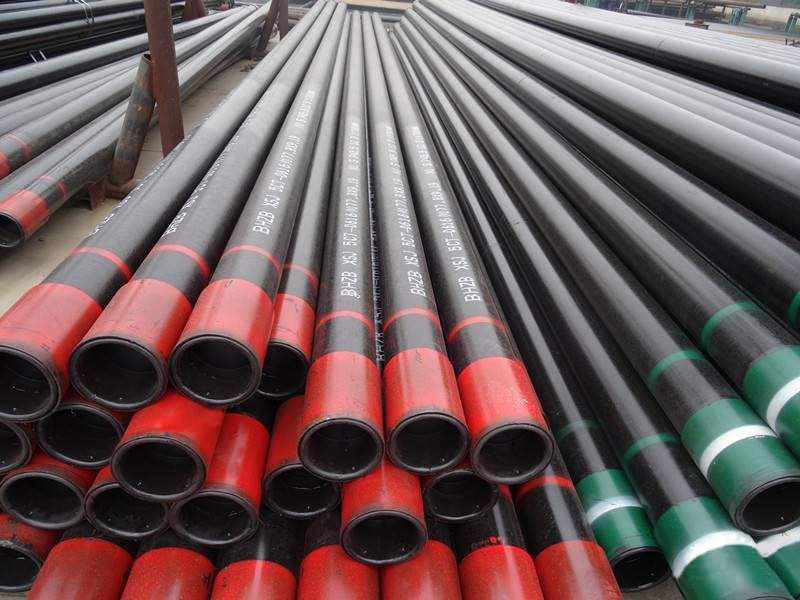
Oil tubing pipes play a pivotal role in various industrial applications, particularly in the extraction and transportation of oil and gas. These pipes are designed to withstand high pressure and extreme conditions, making them an essential component in pipeline systems. Understanding the characteristics, applications, and specifications of oil tubing pipes can significantly benefit construction and decoration professionals involved in pipeline projects.
One of the primary functions of oil tubing pipes is to facilitate the transport of oil from underground reservoirs to the surface and then to processing facilities. These pipes are typically constructed from high-strength materials that provide durability and resistance against corrosion, which is crucial in maintaining the integrity of the pipeline system. The materials used in manufacturing oil tubing pipes are often selected based on the specific characteristics of the oil or gas being transported, such as temperature and pressure conditions.
In addition to their primary function in oil extraction, oil tubing pipes are also utilized in various other applications within pipeline systems. For instance, they are essential in hydraulic fracturing processes, where they help deliver fluids that aid in the extraction of oil and gas from shale formations. Furthermore, these pipes can be used in geothermal energy projects, where heat from the earth is harnessed for energy production.
When selecting oil tubing pipes, professionals must consider several critical factors. The size and thickness of the pipes are essential to ensure they can handle the required pressure and flow rates. Additionally, it’s crucial to evaluate the material properties to prevent issues related to corrosion or mechanical failure. Understanding the API (American Petroleum Institute) specifications for oil tubing is also vital, as compliance with these standards ensures safety and reliability in operations.
Moreover, regular maintenance and inspection of oil tubing pipes are necessary to detect any signs of wear or damage. Implementing a proactive maintenance strategy can help prevent catastrophic failures, ensuring the longevity and efficiency of the pipeline system. Industry professionals should be well-versed in the best practices for inspecting and maintaining these pipes to uphold safety and operational standards.
Lastly, the market for oil tubing pipes is continually evolving, influenced by advancements in technology and changes in industry regulations. Staying informed about these developments is essential for professionals in the field, as it can affect material choices, installation techniques, and overall project efficiency.
In conclusion, oil tubing pipes are vital to the construction and decoration materials sector, particularly in pipeline systems. By gaining a comprehensive understanding of their applications and specifications, professionals can make informed decisions that enhance the safety and efficacy of their projects.
One of the primary functions of oil tubing pipes is to facilitate the transport of oil from underground reservoirs to the surface and then to processing facilities. These pipes are typically constructed from high-strength materials that provide durability and resistance against corrosion, which is crucial in maintaining the integrity of the pipeline system. The materials used in manufacturing oil tubing pipes are often selected based on the specific characteristics of the oil or gas being transported, such as temperature and pressure conditions.
In addition to their primary function in oil extraction, oil tubing pipes are also utilized in various other applications within pipeline systems. For instance, they are essential in hydraulic fracturing processes, where they help deliver fluids that aid in the extraction of oil and gas from shale formations. Furthermore, these pipes can be used in geothermal energy projects, where heat from the earth is harnessed for energy production.
When selecting oil tubing pipes, professionals must consider several critical factors. The size and thickness of the pipes are essential to ensure they can handle the required pressure and flow rates. Additionally, it’s crucial to evaluate the material properties to prevent issues related to corrosion or mechanical failure. Understanding the API (American Petroleum Institute) specifications for oil tubing is also vital, as compliance with these standards ensures safety and reliability in operations.
Moreover, regular maintenance and inspection of oil tubing pipes are necessary to detect any signs of wear or damage. Implementing a proactive maintenance strategy can help prevent catastrophic failures, ensuring the longevity and efficiency of the pipeline system. Industry professionals should be well-versed in the best practices for inspecting and maintaining these pipes to uphold safety and operational standards.
Lastly, the market for oil tubing pipes is continually evolving, influenced by advancements in technology and changes in industry regulations. Staying informed about these developments is essential for professionals in the field, as it can affect material choices, installation techniques, and overall project efficiency.
In conclusion, oil tubing pipes are vital to the construction and decoration materials sector, particularly in pipeline systems. By gaining a comprehensive understanding of their applications and specifications, professionals can make informed decisions that enhance the safety and efficacy of their projects.
Key words:


Contact
E-mail:
Add:
Hope New District, Mengcun Hui Autonomous County,
Cangzhou City, Hebei Province


PRODUCT SEARCH
Search And Quickly Find The Products You Need
The main products include oil pipeline pipes, oil casing and various specifications of GB/T8162 structural pipes, GB8/T163 fluid pipes, GB/T3087 low and medium pressure boiler pipes, G/TB5310 high pressure boiler pipes, GB/T6479 fertilizer special pipes, etc.