
How Steel Line Pipe Enhances Durability in Building Projects
Feb 17,2026

How Steel Line Pipe Enhances Durability in Building Projects
In the world of construction and architectural materials, durability is paramount. One material that consistently stands out in enhancing the longevity and resilience of building projects is steel line pipe. This article delves into the crucial role of steel line pipes in construction, examining their attributes, applications, and advantages over other materials. By understanding these aspects, contractors and builders can make informed decisions that ultimately lead to stronger and more durable structures.
Table of Contents
- What is Steel Line Pipe?
- Advantages of Steel Line Pipe in Construction
- Applications of Steel Line Pipe in Building Projects
- Corrosion Resistance Properties of Steel Line Pipe
- Cost-Effectiveness of Steel Line Pipe
- Maintenance and Longevity of Steel Line Pipe
- Environmental Considerations of Steel Line Pipe
- Frequently Asked Questions
- Conclusion
What is Steel Line Pipe?
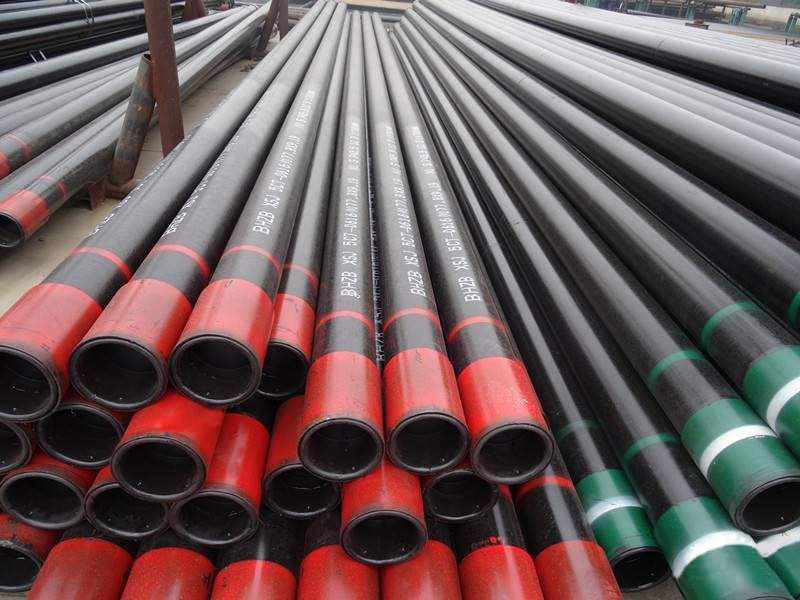
Steel line pipe is a type of piping made from steel that is primarily used for transporting fluids and gases. It is manufactured to meet specific standards and is often used in the construction of infrastructure such as oil and gas pipelines, water systems, and various industrial applications. Due to its robust properties, steel line pipe is known for its exceptional strength, durability, and versatility.
Composition and Manufacturing Process
The composition of steel line pipes typically includes carbon steel, which contributes to its strength and ductility. The manufacturing process involves several steps, including hot or cold forming, welding, and heat treatment. These processes help create pipes that meet rigorous standards for pressure and structural integrity.
Advantages of Steel Line Pipe in Construction
Unmatched Strength and Durability
One of the primary advantages of steel line pipe is its unmatched strength. Steel is inherently strong, enabling it to withstand significant amounts of pressure and stress. This makes steel line pipes ideal for high-demand applications where durability is critical, such as in large construction projects.
Resistance to Environmental Factors
Steel line pipes offer excellent resistance to environmental factors such as extreme temperatures, moisture, and corrosive substances. This resistance ensures that infrastructure remains intact over time, reducing the need for frequent repairs and replacements.
Versatility in Application
Steel line pipes can be used in a variety of applications, from residential plumbing to large-scale industrial projects. Their versatility makes them a go-to choice for builders and contractors looking for reliable solutions.
Applications of Steel Line Pipe in Building Projects
Water Supply Systems
In municipal water supply systems, steel line pipes are widely used due to their strength and ability to transport large volumes of water without risk of leakage. Their reliability ensures that communities have access to safe drinking water.
Oil and Gas Transportation
The oil and gas industry relies heavily on steel line pipes to transport hydrocarbons over long distances. These pipes can withstand high pressures and harsh conditions, making them essential for safe and efficient energy transportation.
Industrial Manufacturing
In manufacturing settings, steel line pipes are used for various processes, including the transportation of chemicals and other materials. Their durability ensures that production processes run smoothly without interruptions caused by pipe failures.
Corrosion Resistance Properties of Steel Line Pipe
Corrosion is a significant concern in many construction applications, particularly when pipes are exposed to moisture and harsh chemicals. Steel line pipes can be treated with protective coatings or alloyed with other materials to enhance their corrosion resistance. This treatment prolongs the life of the pipes and ensures they perform reliably in challenging environments.
Protective Coatings for Enhanced Longevity
Applying protective coatings such as epoxy or polyethylene can significantly enhance the corrosion resistance of steel line pipes. These coatings act as barriers, preventing moisture and corrosive substances from coming into direct contact with the steel surface.
Cost-Effectiveness of Steel Line Pipe
While the initial investment in steel line pipes may be higher than other materials, their long-term cost-effectiveness is undeniable. The durability and low maintenance needs of steel line pipes translate to significant savings over time. Additionally, the reduced frequency of replacements means fewer disruptions to ongoing projects.
Maintenance and Longevity of Steel Line Pipe
The maintenance of steel line pipes is relatively straightforward. Regular inspections can help identify potential issues before they become significant problems. Additionally, the longevity of steel line pipes often means they can last for decades, making them a wise investment for any construction project.
Environmental Considerations of Steel Line Pipe
As the construction industry moves toward more sustainable practices, steel line pipes remain a favorable option due to their recyclability. Steel is one of the most recycled materials in the world, contributing to a circular economy and reducing the environmental impact of construction activities.
Frequently Asked Questions
1. How long do steel line pipes last?
With proper maintenance, steel line pipes can last for several decades, often between 50 to 100 years, depending on the application and environmental conditions.
2. Are steel line pipes suitable for underground use?
Yes, steel line pipes are commonly used for underground applications due to their strength and resistance to soil pressure and environmental factors.
3. How do steel line pipes compare to PVC pipes?
While PVC pipes are lightweight and resistant to corrosion, steel line pipes offer superior strength, pressure resistance, and longevity, making them more suitable for high-demand applications.
4. What are the benefits of using coated steel line pipes?
Coated steel line pipes provide enhanced corrosion resistance, extending their lifespan and reducing maintenance requirements in harsh environments.
5. Can steel line pipes be recycled?
Yes, steel is one of the most recycled materials, making steel line pipes an environmentally friendly option in construction.
Conclusion
Steel line pipes play a pivotal role in enhancing the durability and longevity of building projects. Their unmatched strength, resistance to environmental factors, and cost-effectiveness make them a top choice for contractors and builders alike. As the construction industry continues to evolve, integrating sustainable practices, steel line pipes will remain a reliable option to meet the demands of modern infrastructure. By choosing steel line pipes, we ensure that our structures are built to last, providing safety and efficiency for years to come.
Key words:

Contact
E-mail:
Add:
Hope New District, Mengcun Hui Autonomous County,
Cangzhou City, Hebei Province


PRODUCT SEARCH
Search And Quickly Find The Products You Need
The main products include oil pipeline pipes, oil casing and various specifications of GB/T8162 structural pipes, GB8/T163 fluid pipes, GB/T3087 low and medium pressure boiler pipes, G/TB5310 high pressure boiler pipes, GB/T6479 fertilizer special pipes, etc.