
Understanding Oil Line Pipes: Essential Insights for Construction Professionals
---
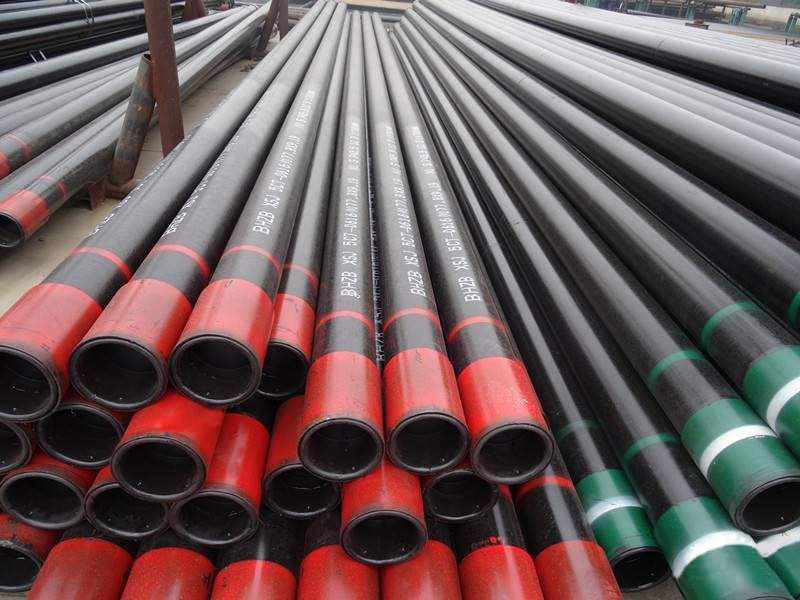
Oil line pipes are specialized components used primarily in the transportation of oil and other fluids within various pipeline systems. In the construction and decoration materials industry, understanding the characteristics and applications of these pipes is essential for professionals involved in installation and maintenance tasks.
One of the key features of oil line pipes is their ability t
Feb 16,2026

---
Oil line pipes are specialized components used primarily in the transportation of oil and other fluids within various pipeline systems. In the construction and decoration materials industry, understanding the characteristics and applications of these pipes is essential for professionals involved in installation and maintenance tasks.
One of the key features of oil line pipes is their ability to withstand high pressures and temperatures. Typically constructed from robust materials such as carbon steel, stainless steel, or plastic composites, these pipes are designed to provide durability and reliability in challenging environments. The choice of material often depends on the specific application, fluid type, and environmental conditions. For example, carbon steel pipes are commonly used for their strength and resistance, while stainless steel offers enhanced corrosion resistance, making it suitable for corrosive fluids.
When selecting oil line pipes, professionals must also consider the pipe's diameter and wall thickness, which are critical factors affecting flow rates and overall system efficiency. Correct sizing ensures that the pipes can handle the expected volume of oil without causing bottlenecks or pressure drops. Additionally, adhering to industry standards and regulations is paramount to guarantee safety and reliability throughout the system.
Installation practices for oil line pipes require careful planning and execution. It is essential to ensure proper alignment and support during the installation process to prevent undue stress on the pipes, which could lead to failures or leaks over time. Utilizing appropriate fittings and seals is also vital for maintaining system integrity and preventing fluid leaks, which can pose significant safety hazards.
Regular maintenance and inspections of oil line pipes are fundamental to prolonging their lifespan and ensuring optimal performance. Professionals should implement routine checks for signs of wear, corrosion, or damage, and promptly address any issues that arise. This proactive approach not only enhances safety but also minimizes downtime and costly repairs.
In conclusion, oil line pipes are integral to the efficient functioning of various pipeline systems in construction and decoration projects. By understanding their materials, applications, and installation practices, professionals can make informed decisions that enhance both safety and efficiency in their projects. As the demand for reliable pipeline systems continues to grow, staying updated on best practices for oil line pipes will prove invaluable for construction professionals striving for excellence in their work.
Oil line pipes are specialized components used primarily in the transportation of oil and other fluids within various pipeline systems. In the construction and decoration materials industry, understanding the characteristics and applications of these pipes is essential for professionals involved in installation and maintenance tasks.
One of the key features of oil line pipes is their ability to withstand high pressures and temperatures. Typically constructed from robust materials such as carbon steel, stainless steel, or plastic composites, these pipes are designed to provide durability and reliability in challenging environments. The choice of material often depends on the specific application, fluid type, and environmental conditions. For example, carbon steel pipes are commonly used for their strength and resistance, while stainless steel offers enhanced corrosion resistance, making it suitable for corrosive fluids.
When selecting oil line pipes, professionals must also consider the pipe's diameter and wall thickness, which are critical factors affecting flow rates and overall system efficiency. Correct sizing ensures that the pipes can handle the expected volume of oil without causing bottlenecks or pressure drops. Additionally, adhering to industry standards and regulations is paramount to guarantee safety and reliability throughout the system.
Installation practices for oil line pipes require careful planning and execution. It is essential to ensure proper alignment and support during the installation process to prevent undue stress on the pipes, which could lead to failures or leaks over time. Utilizing appropriate fittings and seals is also vital for maintaining system integrity and preventing fluid leaks, which can pose significant safety hazards.
Regular maintenance and inspections of oil line pipes are fundamental to prolonging their lifespan and ensuring optimal performance. Professionals should implement routine checks for signs of wear, corrosion, or damage, and promptly address any issues that arise. This proactive approach not only enhances safety but also minimizes downtime and costly repairs.
In conclusion, oil line pipes are integral to the efficient functioning of various pipeline systems in construction and decoration projects. By understanding their materials, applications, and installation practices, professionals can make informed decisions that enhance both safety and efficiency in their projects. As the demand for reliable pipeline systems continues to grow, staying updated on best practices for oil line pipes will prove invaluable for construction professionals striving for excellence in their work.
Key words:


Contact
E-mail:
Add:
Hope New District, Mengcun Hui Autonomous County,
Cangzhou City, Hebei Province


PRODUCT SEARCH
Search And Quickly Find The Products You Need
The main products include oil pipeline pipes, oil casing and various specifications of GB/T8162 structural pipes, GB8/T163 fluid pipes, GB/T3087 low and medium pressure boiler pipes, G/TB5310 high pressure boiler pipes, GB/T6479 fertilizer special pipes, etc.