
Comparing Seamless Pipes and Welded Pipes in Oil Pipeline Applications: A Comprehensive Guide
Comparing Seamless Pipes and Welded Pipes in Oil Pipeline Applications
Table of Contents
1. Introduction to Oil Pipeline Applications
2. Understanding Seamless Pipes
2.1 Manufacturing Process of Seamless Pipes
2.2 Advantages of Seamless Pipes
2.3 Disadvantages of Seamless Pipes
3. Understanding Welded Pipes
3.1
Feb 15,2026
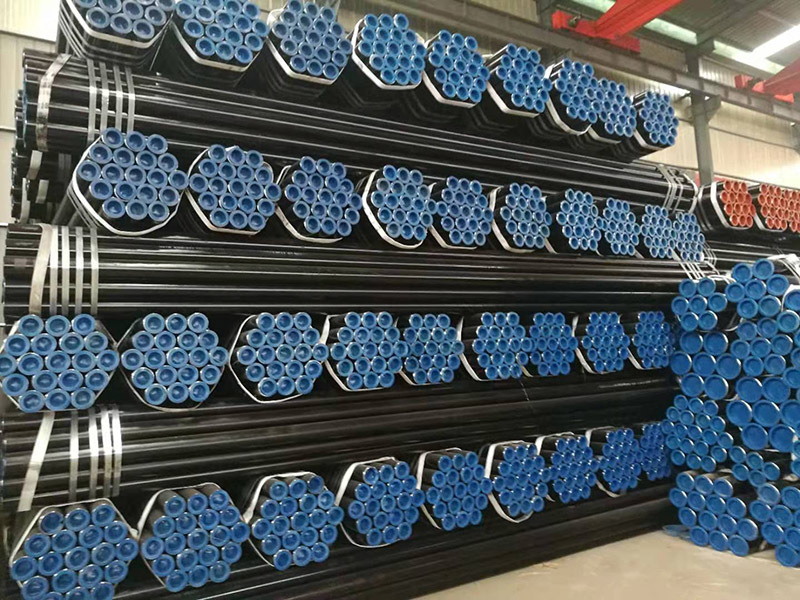
Comparing Seamless Pipes and Welded Pipes in Oil Pipeline Applications
Table of Contents
- 1. Introduction to Oil Pipeline Applications
- 2. Understanding Seamless Pipes
- 2.1 Manufacturing Process of Seamless Pipes
- 2.2 Advantages of Seamless Pipes
- 2.3 Disadvantages of Seamless Pipes
- 3. Understanding Welded Pipes
- 3.1 Manufacturing Process of Welded Pipes
- 3.2 Advantages of Welded Pipes
- 3.3 Disadvantages of Welded Pipes
- 4. Performance Comparison: Seamless vs. Welded Pipes
- 5. Applications in Oil Pipeline Systems
- 6. Cost Analysis: Seamless vs. Welded Pipes
- 7. Maintenance Considerations for Both Pipe Types
- 8. Conclusion
- 9. Frequently Asked Questions
1. Introduction to Oil Pipeline Applications
In the ever-evolving landscape of oil pipeline infrastructure, selecting the appropriate piping material is crucial. The efficiency, durability, and safety of oil transportation rely significantly on the piping systems in place. Among the most common materials utilized in these applications are **seamless pipes** and **welded pipes**. This article will provide a thorough comparison of these two pipe types, focusing on their manufacturing processes, advantages, disadvantages, and overall performance in oil pipeline applications.
2. Understanding Seamless Pipes
Seamless pipes are made from a solid round steel billet, which is heated and then pushed or pulled over a form until the pipe is the desired diameter. This manufacturing process eliminates the need for any welding.
2.1 Manufacturing Process of Seamless Pipes
The production of seamless pipes involves several critical steps:
1. **Billet Preparation**: A raw steel billet is heated to a high temperature to make it malleable.
2. **Piercing**: A mandrel is inserted into the heated billet, and it is then pushed or pulled to create a hollow tube.
3. **Elongation**: The tube is further elongated through extrusion processes to achieve the desired length and diameter.
4. **Heat Treatment**: The pipe undergoes heat treatment to enhance its mechanical properties.
5. **Finishing**: Finally, the seamless pipe is subjected to finishing processes, including surface treatment and inspection.
2.2 Advantages of Seamless Pipes
The advantages of seamless pipes in oil pipeline applications include:
- **Higher Pressure Tolerance**: Seamless pipes are inherently stronger, making them suitable for high-pressure applications.
- **Corrosion Resistance**: The lack of welds reduces the likelihood of corrosion and leak points.
- **Uniform Strength**: The seamless design distributes stress evenly, resulting in consistent mechanical properties.
2.3 Disadvantages of Seamless Pipes
Despite their advantages, seamless pipes have some limitations:
- **Cost**: Seamless pipes tend to be more expensive due to the complex manufacturing process.
- **Limited Sizes**: The production of seamless pipes may be limited to certain sizes and diameters compared to welded pipes.
3. Understanding Welded Pipes
Welded pipes are created by rolling steel plates or strips and then welding them together to form a pipe. This process allows for the creation of larger diameter pipes and is often more cost-effective.
3.1 Manufacturing Process of Welded Pipes
The manufacturing of welded pipes involves several steps:
1. **Steel Sheet Preparation**: Steel sheets are cut into strips that will be rolled into a cylindrical shape.
2. **Rolling**: The steel strips are rolled into a tube shape.
3. **Welding**: The edges of the rolled strip are welded together using various methods, including electric resistance welding (ERW) or submerged arc welding (SAW).
4. **Testing and Finishing**: The welded pipe undergoes rigorous testing for integrity, followed by surface finishing.
3.2 Advantages of Welded Pipes
Welded pipes come with several benefits:
- **Cost-Effective**: Generally, welded pipes are cheaper to produce than seamless pipes.
- **Versatile Sizes**: They can be manufactured in a broader range of sizes and diameters.
- **Rapid Production**: The welding process allows for quicker production times.
3.3 Disadvantages of Welded Pipes
However, there are some drawbacks to using welded pipes:
- **Weld Weakness**: The welded joint can be a weak point, potentially leading to leaks under high pressure.
- **Corrosion Risks**: Welds can be susceptible to corrosion if not properly treated or maintained.
4. Performance Comparison: Seamless vs. Welded Pipes
In terms of performance, the choice between seamless and welded pipes largely depends on the specific requirements of the oil pipeline system:
- **Pressure Capacity**: Seamless pipes excel in high-pressure scenarios due to their uniform structure.
- **Durability**: Seamless pipes are typically more durable and resistant to stress fractures.
- **Maintenance Needs**: Welded pipes may require more frequent inspections and maintenance due to the weaker weld points.
5. Applications in Oil Pipeline Systems
Both seamless and welded pipes find their applications in oil pipeline systems:
- **Seamless Pipes**: Primarily used in high-pressure environments, such as offshore drilling and deep well applications, where safety is paramount.
- **Welded Pipes**: Common in transportation pipelines and infrastructure where large diameter pipes are required and cost savings are essential.
6. Cost Analysis: Seamless vs. Welded Pipes
When considering the installation of piping systems, the initial cost is often a significant factor. Seamless pipes, while more expensive to produce, may offer long-term savings due to their durability and lower maintenance requirements. Conversely, welded pipes provide a more budget-friendly option upfront but may incur higher costs over time due to maintenance and potential repairs.
7. Maintenance Considerations for Both Pipe Types
Regular maintenance is essential for both seamless and welded pipes to ensure their longevity and integrity:
- **Seamless Pipes**: Routine inspections focused on corrosion and stress concentrations can help maintain their performance.
- **Welded Pipes**: Regular checks for weld integrity and surface treatment are critical to mitigate corrosion risks.
8. Conclusion
In the debate between seamless and welded pipes for oil pipeline applications, both options have their unique strengths and weaknesses. Seamless pipes shine in high-pressure environments and provide superior corrosion resistance, while welded pipes offer cost-effective solutions for larger-scale projects. The choice ultimately depends on the specific requirements of the application, including budget, pressure conditions, and maintenance capabilities.
9. Frequently Asked Questions
1. What is the primary difference between seamless and welded pipes?
Seamless pipes are made from a solid steel billet and have no welds, providing higher strength and pressure tolerance. Welded pipes are formed by rolling steel strips and welding them together.
2. Are seamless pipes more expensive than welded pipes?
Yes, seamless pipes are generally more costly due to their manufacturing complexity, whereas welded pipes are more budget-friendly.
3. Where are seamless pipes typically used?
Seamless pipes are often used in high-pressure applications such as offshore drilling and deep well systems.
4. What are the maintenance requirements for welded pipes?
Welded pipes require regular inspections, particularly at weld joints, to ensure their integrity and prevent corrosion.
5. Can welded pipes be used in high-pressure applications?
While welded pipes can be used in high-pressure applications, they may not perform as well as seamless pipes in such conditions due to potential weaknesses at the weld joints.
Key words:

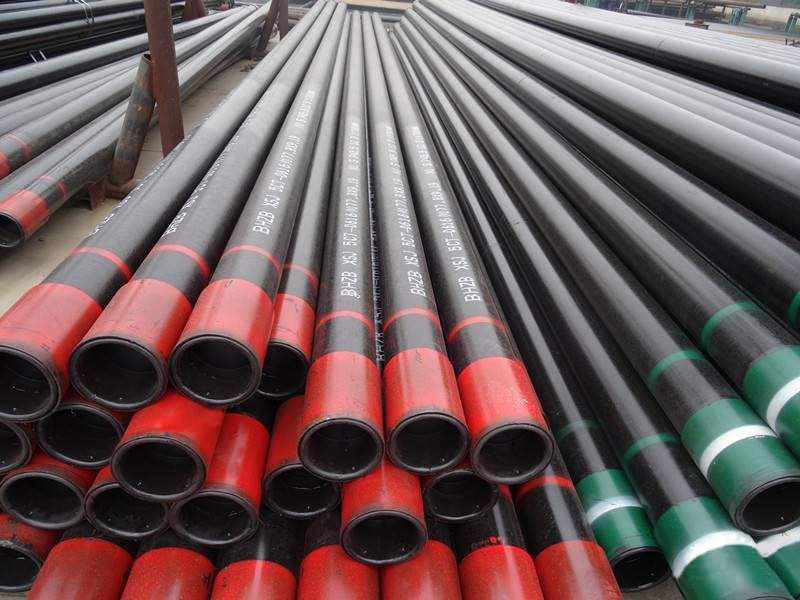

Contact
E-mail:
Add:
Hope New District, Mengcun Hui Autonomous County,
Cangzhou City, Hebei Province


PRODUCT SEARCH
Search And Quickly Find The Products You Need
The main products include oil pipeline pipes, oil casing and various specifications of GB/T8162 structural pipes, GB8/T163 fluid pipes, GB/T3087 low and medium pressure boiler pipes, G/TB5310 high pressure boiler pipes, GB/T6479 fertilizer special pipes, etc.