
Understanding the Manufacturing Process of Oil Casing Pipes: A Comprehensive Guide
Understanding the Manufacturing Process of Oil Casing Pipes
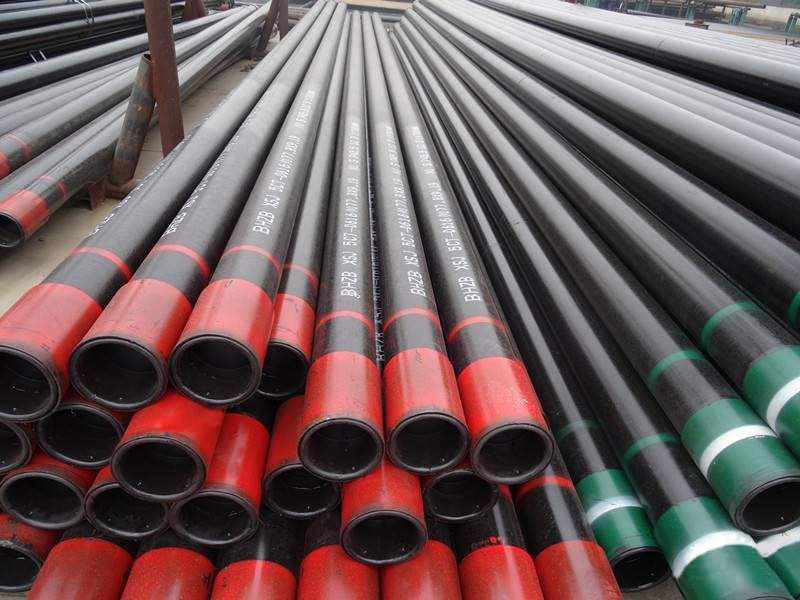
Oil casing pipes play a critical role in the oil and gas industry, serving as a protective barrier for the wellbore and ensuring the structural integrity of drilling operations. This article explores the intricate manufacturing process of oil casing pipes, detailing each step involved and the significance of quality control throughout the
Feb 19,2026

Understanding the Manufacturing Process of Oil Casing Pipes
Oil casing pipes play a critical role in the oil and gas industry, serving as a protective barrier for the wellbore and ensuring the structural integrity of drilling operations. This article explores the intricate manufacturing process of oil casing pipes, detailing each step involved and the significance of quality control throughout the production.
A Brief Overview of Oil Casing Pipes
Oil casing pipes are essential components in drilling projects, designed to support the well structure and prevent contamination of groundwater. These pipes are typically made from high-strength steel and must withstand extreme pressures and harsh conditions underground. Understanding their manufacturing process is vital for ensuring reliability and safety in drilling operations.
1. Material Selection: The Foundation of Quality
The manufacturing of oil casing pipes begins with the selection of high-quality raw materials. The most commonly used materials include:
1.1 Steel Grades and Specifications
Oil casing pipes are primarily manufactured from carbon steel, with specific grades such as J55, K55, N80, and L80 being popular in the industry. Each grade possesses unique properties that cater to specific drilling conditions:
- **J55**: Commonly used in shallow wells, it offers moderate strength and low cost.
- **K55**: A step up from J55, this grade provides increased strength and is suited for higher pressure environments.
- **N80 and L80**: These grades are designed for more demanding applications, featuring enhanced corrosion resistance and higher yield strength.
1.2 The Role of Alloying Elements
Alloying elements, such as chromium, nickel, and molybdenum, can be added to the steel to improve its mechanical properties, corrosion resistance, and overall performance. The careful balance of these elements is crucial for producing casing pipes that can withstand the rigors of oil extraction.
2. The Manufacturing Process: Step by Step
Once the raw materials have been selected, the manufacturing process involves several key steps:
2.1 Steel Melting and Casting
The first step in the production of oil casing pipes is melting the raw materials in a furnace. This process typically involves:
- **Electric Arc Furnaces (EAF)**: Used for melting scrap steel and alloying elements at high temperatures, producing molten steel.
- **Continuous Casting**: This method allows for the formation of steel slabs, which will later be processed into pipes.
2.2 Hot Rolling Process
After casting, the steel slabs undergo a hot rolling process, which shapes them into a more manageable form. The hot rolling process includes:
- **Heating the Slabs**: The slabs are heated to a temperature above their recrystallization point, making them malleable.
- **Rolling**: Using a series of rollers, the slabs are flattened and elongated into the desired dimensions for casing pipes.
2.3 Pipe Forming Techniques
The shaped steel is then formed into pipes using various techniques, including:
- **Seamless Pipe Production**: This method involves piercing a heated steel billet to create a hollow tube, eliminating any weld seams.
- **Welded Pipe Production**: For welded pipes, flat steel strips are formed into a cylindrical shape, with edges welded together using either electric resistance welding (ERW) or submerged arc welding (SAW).
2.4 Heat Treatment and Conditioning
To enhance the mechanical properties of oil casing pipes, heat treatment processes such as quenching and tempering are applied. This step also helps relieve internal stresses that may have developed during the rolling and forming processes.
3. Quality Control Measures
Quality control is paramount in the manufacturing process of oil casing pipes. Rigorous testing and inspection procedures ensure that the final product meets industry standards and specifications.
3.1 Non-Destructive Testing (NDT)
NDT techniques, such as ultrasonic testing and magnetic particle testing, are employed to identify any internal or surface defects in the pipes. These methods allow manufacturers to ensure that the pipes meet safety and reliability standards without causing damage.
3.2 Dimensional and Mechanical Testing
Pipes are subjected to various dimensional checks and mechanical tests, including tensile strength, yield strength, and hardness tests. These evaluations confirm that the pipes possess the required specifications for their intended applications.
4. Surface Treatment and Coating
Once the oil casing pipes pass quality control tests, they undergo surface treatment processes to enhance their durability and resistance to corrosion.
4.1 Coating Techniques
Common surface treatments include:
- **Galvanization**: A zinc coating that protects the pipes from corrosion.
- **FBE Coating**: Fusion-bonded epoxy coatings which provide excellent chemical resistance.
4.2 Final Inspection and Packaging
After surface treatment, each pipe is subjected to a final inspection to ensure compliance with specifications. Once approved, they are carefully packaged for shipping to oilfield customers worldwide.
5. Applications of Oil Casing Pipes
Oil casing pipes find applications in various sectors within the oil and gas industry. Some of the most common uses include:
5.1 Drilling Operations
During drilling, casing pipes provide structural support and isolate production zones, ensuring the safety and efficiency of operations.
5.2 Well Completion
Casing pipes also play a crucial role in the completion phase of wells, serving as a conduit for oil or gas extraction.
5.3 Maintenance and Repair
Oil casing pipes are often utilized in maintenance and repair work, helping to restore integrity to aging wells.
6. Environmental Considerations in Oil Casing Pipe Manufacturing
With growing environmental concerns, the manufacturing process of oil casing pipes is evolving to adopt more sustainable practices. Key considerations include:
6.1 Reducing Carbon Footprint
Manufacturers are focusing on reducing their carbon emissions through energy-efficient processes and the use of renewable energy sources.
6.2 Waste Management
Efforts are being made to minimize waste generated during production, including recycling scrap steel and optimizing resource consumption.
7. Future Trends in Oil Casing Pipe Manufacturing
As the oil and gas industry continues to evolve, manufacturers of oil casing pipes are adapting to emerging trends, including:
7.1 Advances in Material Science
Innovations in material science are leading to the development of new alloys that offer enhanced strength and corrosion resistance, further improving the performance of casing pipes.
7.2 Automation in Manufacturing
The integration of automation and robotics in the manufacturing process is streamlining production, reducing costs, and enhancing quality control.
8. Frequently Asked Questions (FAQs)
8.1 What are oil casing pipes made of?
Oil casing pipes are primarily made of high-strength carbon steel, with varying grades tailored for specific applications.
8.2 Why is quality control important in the manufacturing of oil casing pipes?
Quality control ensures that the pipes meet industry standards for safety and performance, preventing failures that could lead to environmental hazards.
8.3 How are oil casing pipes tested for quality?
Manufacturers conduct various tests, including non-destructive testing, dimensional checks, and mechanical testing, to ensure product integrity.
8.4 What is the difference between seamless and welded oil casing pipes?
Seamless pipes are made from a solid billet and have no weld seams, while welded pipes are formed from flat steel strips that are welded together.
8.5 How do environmental concerns affect the manufacturing process of oil casing pipes?
Manufacturers are increasingly adopting sustainable practices, focusing on reducing emissions, managing waste, and utilizing energy-efficient technologies.
Conclusion
Understanding the manufacturing process of oil casing pipes is crucial for industry professionals and stakeholders. From material selection to quality control, each step in the production process contributes to the final product's reliability and performance. As the oil and gas sector evolves, so too does the manufacturing landscape, with new technologies and practices emerging to meet environmental challenges. By keeping abreast of these developments, we can ensure the continued safety and efficiency of oil extraction operations globally.
Key words:

Contact
E-mail:
Add:
Hope New District, Mengcun Hui Autonomous County,
Cangzhou City, Hebei Province


PRODUCT SEARCH
Search And Quickly Find The Products You Need
The main products include oil pipeline pipes, oil casing and various specifications of GB/T8162 structural pipes, GB8/T163 fluid pipes, GB/T3087 low and medium pressure boiler pipes, G/TB5310 high pressure boiler pipes, GB/T6479 fertilizer special pipes, etc.