
The Essential Guide to Steel Line Pipes in Construction and Decorative Materials
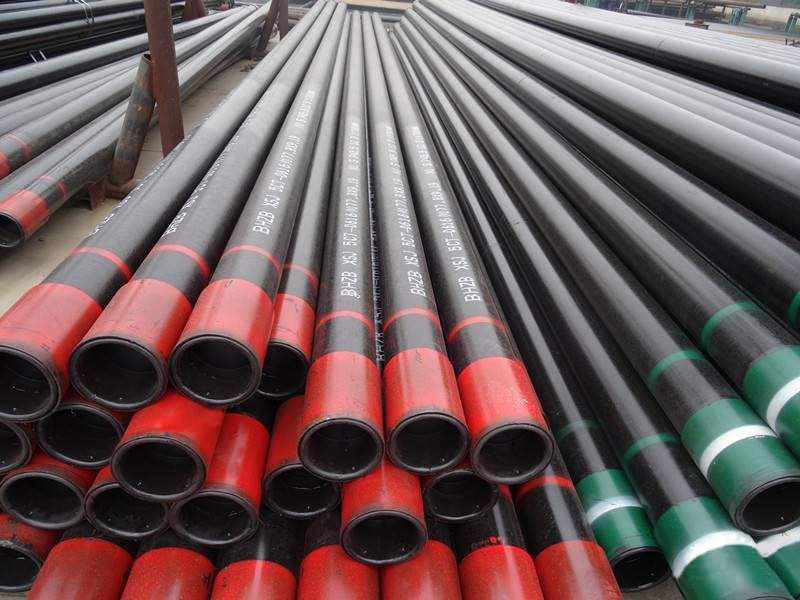
Steel line pipes are an integral part of various industries, particularly in the construction and decorative materials sector. Their durability, strength, and versatility make them a preferred choice for a wide range of applications, especially in pipeline systems. In this article, we will explore the significance of steel line pipes, their various uses, and the benefits they offer to construction
Feb 12,2026

Steel line pipes are an integral part of various industries, particularly in the construction and decorative materials sector. Their durability, strength, and versatility make them a preferred choice for a wide range of applications, especially in pipeline systems. In this article, we will explore the significance of steel line pipes, their various uses, and the benefits they offer to construction professionals.
One of the primary advantages of steel line pipes is their exceptional strength-to-weight ratio. This property allows them to withstand high pressures and stresses, making them ideal for transporting liquids and gases over long distances. In construction, steel line pipes are often used for water supply systems, sewage systems, and gas distribution networks. Their robustness ensures that they can handle the demands of various environments, from urban settings to industrial sites.
Another key benefit of steel line pipes is their resistance to corrosion. Modern manufacturing techniques often include anti-corrosive coatings and treatments, ensuring that these pipes can endure harsh conditions without significant deterioration. This characteristic is particularly important in construction projects where pipes may be exposed to moisture, chemicals, or extreme temperatures. By using steel line pipes, construction professionals can enhance the longevity and reliability of their pipeline systems.
Steel line pipes also offer significant design flexibility. They can be fabricated in various diameters and lengths, allowing for customization based on specific project requirements. This flexibility makes them suitable for a variety of applications, from small residential plumbing systems to large-scale industrial pipeline networks. Additionally, the ease of welding and joining steel pipes allows for efficient installation and maintenance, further streamlining construction processes.
When considering the environmental impact, steel line pipes are often regarded as a sustainable choice. They are fully recyclable, which aligns with the growing emphasis on eco-friendly construction practices. By utilizing recycled steel, construction professionals can contribute to reducing waste and promoting sustainability within their projects.
In conclusion, steel line pipes are a vital component of modern construction and decorative materials, providing strength, durability, and flexibility across a wide array of applications. Their resistance to corrosion, ease of installation, and sustainable qualities make them an excellent choice for professionals seeking reliable pipeline solutions. Understanding the benefits and applications of steel line pipes can empower construction experts to make informed decisions that will enhance their projects’ overall efficiency and reliability.
One of the primary advantages of steel line pipes is their exceptional strength-to-weight ratio. This property allows them to withstand high pressures and stresses, making them ideal for transporting liquids and gases over long distances. In construction, steel line pipes are often used for water supply systems, sewage systems, and gas distribution networks. Their robustness ensures that they can handle the demands of various environments, from urban settings to industrial sites.
Another key benefit of steel line pipes is their resistance to corrosion. Modern manufacturing techniques often include anti-corrosive coatings and treatments, ensuring that these pipes can endure harsh conditions without significant deterioration. This characteristic is particularly important in construction projects where pipes may be exposed to moisture, chemicals, or extreme temperatures. By using steel line pipes, construction professionals can enhance the longevity and reliability of their pipeline systems.
Steel line pipes also offer significant design flexibility. They can be fabricated in various diameters and lengths, allowing for customization based on specific project requirements. This flexibility makes them suitable for a variety of applications, from small residential plumbing systems to large-scale industrial pipeline networks. Additionally, the ease of welding and joining steel pipes allows for efficient installation and maintenance, further streamlining construction processes.
When considering the environmental impact, steel line pipes are often regarded as a sustainable choice. They are fully recyclable, which aligns with the growing emphasis on eco-friendly construction practices. By utilizing recycled steel, construction professionals can contribute to reducing waste and promoting sustainability within their projects.
In conclusion, steel line pipes are a vital component of modern construction and decorative materials, providing strength, durability, and flexibility across a wide array of applications. Their resistance to corrosion, ease of installation, and sustainable qualities make them an excellent choice for professionals seeking reliable pipeline solutions. Understanding the benefits and applications of steel line pipes can empower construction experts to make informed decisions that will enhance their projects’ overall efficiency and reliability.
Key words:

Contact
E-mail:
Add:
Hope New District, Mengcun Hui Autonomous County,
Cangzhou City, Hebei Province


PRODUCT SEARCH
Search And Quickly Find The Products You Need
The main products include oil pipeline pipes, oil casing and various specifications of GB/T8162 structural pipes, GB8/T163 fluid pipes, GB/T3087 low and medium pressure boiler pipes, G/TB5310 high pressure boiler pipes, GB/T6479 fertilizer special pipes, etc.