
How to Choose the Right Oil Tubing Pipe for Your Plumbing Needs
How to Choose the Right Oil Tubing Pipe for Your Plumbing Needs
Table of Contents
Understanding Oil Tubing Pipes
Types of Oil Tubing Pipes
Key Factors in Selecting Oil Tubing
Material Selection
Diameter and Thickness
Temperature and Pressure Ratings
Installation Tips for Oil Tubing
Maintenance of Oil Tubing Pipes
Common
Feb 13,2026
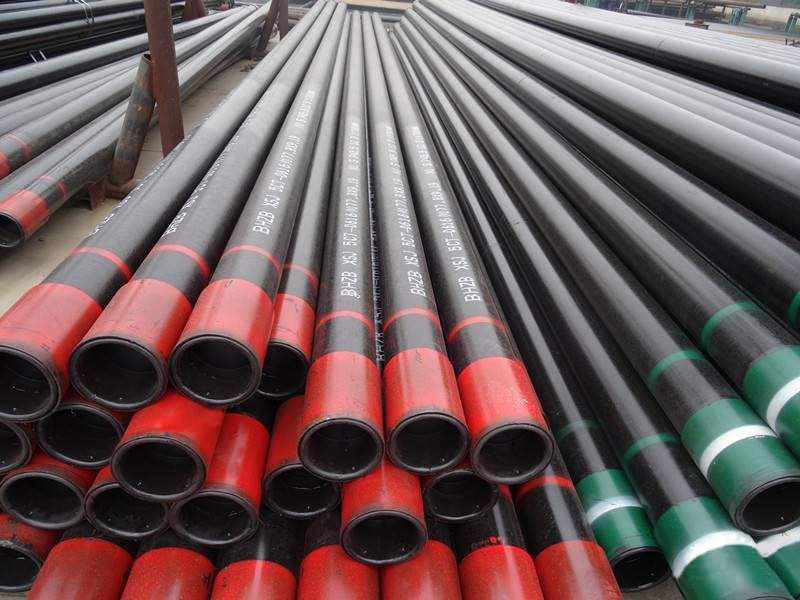
How to Choose the Right Oil Tubing Pipe for Your Plumbing Needs
Table of Contents
- Understanding Oil Tubing Pipes
- Types of Oil Tubing Pipes
- Key Factors in Selecting Oil Tubing
- Installation Tips for Oil Tubing
- Maintenance of Oil Tubing Pipes
- Common Mistakes to Avoid When Choosing Oil Tubing Pipes
- Frequently Asked Questions
- Conclusion
Understanding Oil Tubing Pipes
Oil tubing pipes are essential components in fluid transportation systems, particularly in plumbing applications. These pipes are designed to withstand various environmental conditions and pressures while ensuring safe and effective delivery of oil and other fluids. Understanding the characteristics of oil tubing pipes helps you make an informed decision during the selection process.
Types of Oil Tubing Pipes
When selecting oil tubing pipes, it’s crucial to recognize the different types available in the market. Each type serves specific purposes and offers various advantages.
1. Steel Tubing Pipes
Steel tubing pipes are known for their durability and strength, making them ideal for high-pressure applications. They are resistant to corrosion and can handle extreme temperatures. Steel tubing is widely used in both residential and commercial plumbing systems.
2. PVC Tubing Pipes
Polyvinyl chloride (PVC) tubing pipes are lightweight and easy to install. They are suitable for low-pressure applications and are often used in residential plumbing. However, PVC pipes are not recommended for high-temperature fluids.
3. Copper Tubing Pipes
Copper tubing pipes are popular for their excellent thermal conductivity and resistance to corrosion. They are commonly used in plumbing systems that require hot water transport. Copper pipes are also known for their longevity and reliability.
4. PEX Tubing Pipes
Cross-linked polyethylene (PEX) tubing pipes have gained popularity due to their flexibility and ease of installation. PEX pipes can expand and contract without damage, making them suitable for various plumbing applications. However, they may not be suitable for outdoor use due to UV sensitivity.
Key Factors in Selecting Oil Tubing
Choosing the right oil tubing pipe involves several critical considerations. Understanding these factors will help ensure optimal performance and durability.
Material Selection
Choosing the right material for your oil tubing pipe is paramount. The material impacts the pipe's resistance to pressure, temperature, and environmental factors. Steel and copper pipes offer superior strength, while PVC and PEX offer lightweight alternatives suitable for less demanding applications.
Diameter and Thickness
The diameter and thickness of the tubing play significant roles in determining flow rates and pipe strength. Ensure that the selected pipe diameter matches the requirements of your plumbing system. Additionally, thicker walls provide added strength, especially in high-pressure applications.
Temperature and Pressure Ratings
Different oil tubing pipes have varying temperature and pressure ratings. It is essential to choose a pipe that can withstand the specific temperature and pressure conditions of your plumbing system. Always refer to the manufacturer's specifications to ensure compatibility.
Installation Tips for Oil Tubing
Proper installation of oil tubing pipes is crucial for the efficiency and longevity of your plumbing system. Follow these tips for successful installation:
1. Plan Your Layout
Before installation, carefully plan the layout of your tubing system. Consider the flow direction, pipe lengths, and connection points to minimize bends and potential pressure drops.
2. Use Proper Tools
Utilize the right tools for cutting and joining pipes to ensure clean edges and secure connections. Using improper tools can lead to leaks and system failures.
3. Secure Connections
Ensure that all connections between pipes are secure and leak-free. Use appropriate fittings and adhesives as recommended by the manufacturer.
4. Insulate Pipes
If your plumbing system involves hot fluids, consider insulating your pipes to maintain temperature and prevent heat loss. This is particularly important for systems that transport hot oil.
Maintenance of Oil Tubing Pipes
Regular maintenance is essential for the longevity and efficiency of your oil tubing pipes. Implement the following practices:
1. Inspect for Leaks
Regularly check for leaks in your tubing system, particularly at connection points. Early detection can prevent costly repairs and system downtime.
2. Clean the Pipes
Periodically clean the pipes to prevent buildup that can hinder fluid flow. Depending on the material, use appropriate cleaning agents to avoid damaging the pipes.
3. Monitor Pressure and Temperature
Keep an eye on pressure and temperature levels within the system. Sudden changes can indicate potential issues, allowing for prompt intervention.
Common Mistakes to Avoid When Choosing Oil Tubing Pipes
To ensure a successful plumbing project, avoid these common pitfalls:
1. Ignoring Manufacturer Specifications
Always refer to the manufacturer's specifications for materials, pressure ratings, and installation guidelines. Ignoring these details can lead to system failures.
2. Overlooking Local Codes and Regulations
Different regions have specific plumbing codes and regulations. Ensure that your chosen oil tubing pipes comply with local standards to avoid legal issues.
3. Choosing the Wrong Size
Selecting the wrong diameter or thickness can lead to inefficient flow and increased pressure on the system. Always measure carefully and consult experts when in doubt.
Frequently Asked Questions
1. What is the best material for oil tubing pipes?
The best material depends on the specific application. Steel is ideal for high-pressure scenarios, while PVC is suitable for low-pressure systems.
2. How do I determine the right diameter for my tubing?
The diameter should match the flow requirements of your system. Consulting with a plumbing professional can help ensure you choose correctly.
3. Can I use PEX tubing for hot oil transport?
PEX tubing is generally not recommended for high-temperature applications, so it's best to opt for other materials like copper or steel for hot oil transport.
4. How often should I inspect my oil tubing pipes?
Regular inspections should occur at least once a year, with more frequent checks if the system operates under extreme conditions.
5. What should I do if I find a leak in my tubing?
Immediately shut off the fluid supply and assess the damage. Depending on the severity, you may need to replace the affected section of the tubing or call a professional for repairs.
Conclusion
Choosing the right oil tubing pipe for your plumbing needs requires careful consideration of various factors, including material, diameter, and temperature ratings. Understanding the types of oil tubing pipes available and following best installation and maintenance practices can significantly enhance the efficiency and longevity of your plumbing system. By avoiding common mistakes and staying informed about your options, you can ensure that your plumbing projects are successful and meet your expectations. Whether you opt for durable steel pipes or flexible PEX tubing, making an informed choice is key to achieving a reliable and effective plumbing solution.
Key words:


Contact
E-mail:
Add:
Hope New District, Mengcun Hui Autonomous County,
Cangzhou City, Hebei Province


PRODUCT SEARCH
Search And Quickly Find The Products You Need
The main products include oil pipeline pipes, oil casing and various specifications of GB/T8162 structural pipes, GB8/T163 fluid pipes, GB/T3087 low and medium pressure boiler pipes, G/TB5310 high pressure boiler pipes, GB/T6479 fertilizer special pipes, etc.