
Top Innovations in Oil Line Pipe Technology: Transforming the Future of Pipeline Systems
Top Innovations in Oil Line Pipe Technology
Introduction to Oil Line Pipe Technology
In the rapidly evolving world of pipeline systems, oil line pipes play a crucial role in transporting crude oil and refined petroleum products. Over the years, advancements in technology have led to significant improvements in the design, materials, and safety features of these pipes. In this article, we will
Feb 11,2026
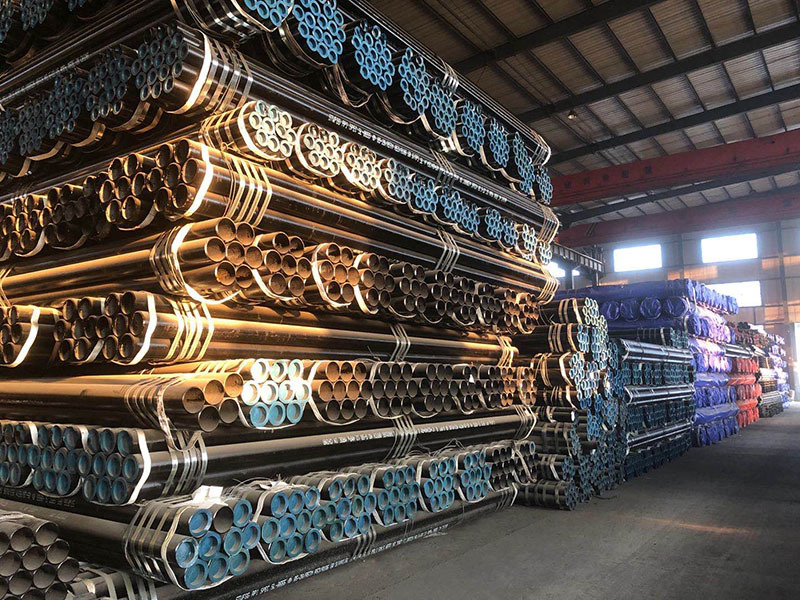
Top Innovations in Oil Line Pipe Technology
Introduction to Oil Line Pipe Technology
In the rapidly evolving world of pipeline systems, oil line pipes play a crucial role in transporting crude oil and refined petroleum products. Over the years, advancements in technology have led to significant improvements in the design, materials, and safety features of these pipes. In this article, we will delve into the **top innovations in oil line pipe technology**, exploring how these developments are shaping the future of the industry.
Understanding the Importance of Oil Line Pipes
Oil line pipes serve as the backbone of the oil and gas industry. They ensure the safe and efficient transportation of hydrocarbons from extraction sites to refineries and distribution centers. The quality and integrity of these pipes directly impact operational efficiency, environmental safety, and overall profitability. Innovations in this sector are not just about efficiency; they also address critical issues such as environmental protection, safety, and cost-effectiveness.
Key Innovations in Oil Line Pipe Technology
1. Advanced Pipe Materials
The traditional materials used in oil line pipes, such as carbon steel, have been enhanced with new technology. Innovations include the use of **polyethylene (PE)** and **fiber-reinforced composites**, which offer several advantages over conventional materials. These advanced materials are lighter, more resistant to corrosion, and capable of withstanding extreme temperatures and pressures. As a result, they not only reduce the risk of leaks and failures but also lower transportation costs due to their lightweight nature.
2. Smart Pipeline Monitoring Systems
The integration of **smart technology** into pipeline systems is another groundbreaking innovation. Smart sensors and monitoring devices can detect anomalies in real-time, providing operators with instant feedback on the condition of the pipes. This data is invaluable for predictive maintenance, allowing for timely interventions before issues escalate into catastrophic failures. By utilizing advanced analytics and machine learning, companies can optimize their operations and enhance safety standards.
3. Enhanced Welding Techniques
Welding is a critical aspect of pipeline construction, and recent advancements in welding technology have significantly improved the integrity of oil line pipes. Techniques such as **automated welding** and **laser welding** provide greater precision and reduce the risk of human error. These innovations lead to stronger joints and minimize the likelihood of leaks, ultimately enhancing the overall reliability of the pipeline system.
4. Eco-Friendly Coatings
Environmental concerns are at the forefront of the oil and gas industry, prompting the development of eco-friendly coatings for oil line pipes. These coatings not only provide excellent corrosion resistance but also minimize the environmental impact of pipeline leaks. Innovations include **biodegradable coatings** and **self-healing materials** that repair themselves when damaged. Such advancements align with global sustainability goals, helping companies reduce their carbon footprint.
5. Improved Installation Techniques
The installation process of oil line pipes has also undergone significant changes. **Trenchless installation methods**, such as horizontal directional drilling (HDD), allow for the placement of pipes without extensive excavation. This not only reduces the environmental impact of installation but also minimizes disruptions to surrounding communities. Innovative technologies like **pipe bursting** and **burst-in-place** methods enable the replacement of old pipes with minimal disturbance, ensuring a more efficient pipeline network.
The Role of Regulatory Standards in Innovation
Regulatory bodies play a pivotal role in driving innovation within the oil line pipe industry. Stricter regulations regarding safety, environmental protection, and operational efficiency compel manufacturers to invest in research and development. As these standards evolve, companies must adapt by adopting new technologies and practices. This dynamic environment fosters an atmosphere of continuous improvement, pushing the industry toward more sustainable and efficient solutions.
Challenges and Opportunities Ahead
1. Navigating Regulatory Challenges
While advancements in oil line pipe technology present numerous opportunities, they also come with challenges. Companies must navigate complex regulatory landscapes that vary by region. Staying compliant with evolving regulations requires significant investment in technology and training. However, those who successfully adapt can gain a competitive edge in the market.
2. Addressing Aging Infrastructure
Many pipelines in operation today are aging and in need of upgrades. Innovating oil line pipe technology offers a solution to this pressing issue. By utilizing advanced materials and modern installation techniques, companies can revitalize old pipelines, ensuring their safe and efficient operation for years to come.
3. The Impact of Climate Change
The effects of climate change present both challenges and opportunities for the oil and gas sector. Innovations in oil line pipe technology can help mitigate risks associated with extreme weather events, such as flooding and hurricanes. Developing resilient pipeline systems that can withstand these challenges is crucial for ensuring uninterrupted service.
Future Trends in Oil Line Pipe Technology
1. Digital Twin Technology
Digital twin technology is emerging as a game-changer in pipeline management. This innovative approach involves creating a virtual replica of a physical pipeline, allowing operators to simulate various scenarios and assess the impact of different variables. By leveraging this technology, companies can enhance decision-making and improve overall operational efficiency.
2. Renewable Energy Integration
As the energy landscape shifts toward renewable sources, oil line pipe technology must adapt. Future innovations may include pipelines designed to transport biofuels and hydrogen, supporting the transition to cleaner energy alternatives. This integration will require rethinking materials and designs to accommodate different types of fuels.
3. Increased Automation
Automation is set to play a significant role in the future of oil line pipes. From automated inspection drones to robotic maintenance systems, the integration of robotics will enhance efficiency and safety in pipeline operations. These technologies will reduce the need for manual labor and minimize the risk of accidents.
Conclusion
The landscape of oil line pipe technology is rapidly changing, driven by innovations that prioritize efficiency, safety, and environmental sustainability. As we have explored in this article, advancements in materials, smart monitoring systems, welding techniques, eco-friendly coatings, and installation methods are transforming the industry. While challenges remain, the future of oil line pipes is bright, with new technologies paving the way for a more resilient and sustainable energy infrastructure. Embracing these innovations will be crucial for companies looking to thrive in an ever-evolving marketplace.
Frequently Asked Questions (FAQs)
1. What materials are used in modern oil line pipes?
Modern oil line pipes often utilize advanced materials such as polyethylene, fiber-reinforced composites, and corrosion-resistant alloys, which enhance durability and reduce the risk of failures.
2. How do smart monitoring systems improve pipeline safety?
Smart monitoring systems use sensors to detect anomalies in real-time, allowing for predictive maintenance and timely interventions, thus preventing potential leaks or failures.
3. What are the benefits of trenchless installation methods?
Trenchless installation methods minimize environmental disruption, reduce excavation costs, and allow for the efficient placement of pipes without extensive digging.
4. How do eco-friendly coatings contribute to sustainability?
Eco-friendly coatings provide corrosion resistance while reducing environmental impact. Innovations like biodegradable coatings help mitigate pollution from pipeline leaks.
5. What role do regulatory standards play in pipeline innovation?
Regulatory standards drive innovation by setting safety and environmental benchmarks. Companies must adapt to these regulations, leading to advancements in technology and practices.
Key words:


Contact
E-mail:
Add:
Hope New District, Mengcun Hui Autonomous County,
Cangzhou City, Hebei Province


PRODUCT SEARCH
Search And Quickly Find The Products You Need
The main products include oil pipeline pipes, oil casing and various specifications of GB/T8162 structural pipes, GB8/T163 fluid pipes, GB/T3087 low and medium pressure boiler pipes, G/TB5310 high pressure boiler pipes, GB/T6479 fertilizer special pipes, etc.